
Unbiased headlines. Facts, not spin.
Every story is an unbiased news briefing written from 110+ sources across the spectrum — sources linked so you can verify it yourself.
 energy
Major Story (8/10)
August 9, 2026 at 01:35 AM
energy
Major Story (8/10)
August 9, 2026 at 01:35 AM
Iran Lists Six Demands Before Reopening Strait of Hormuz, Trump Team Silent
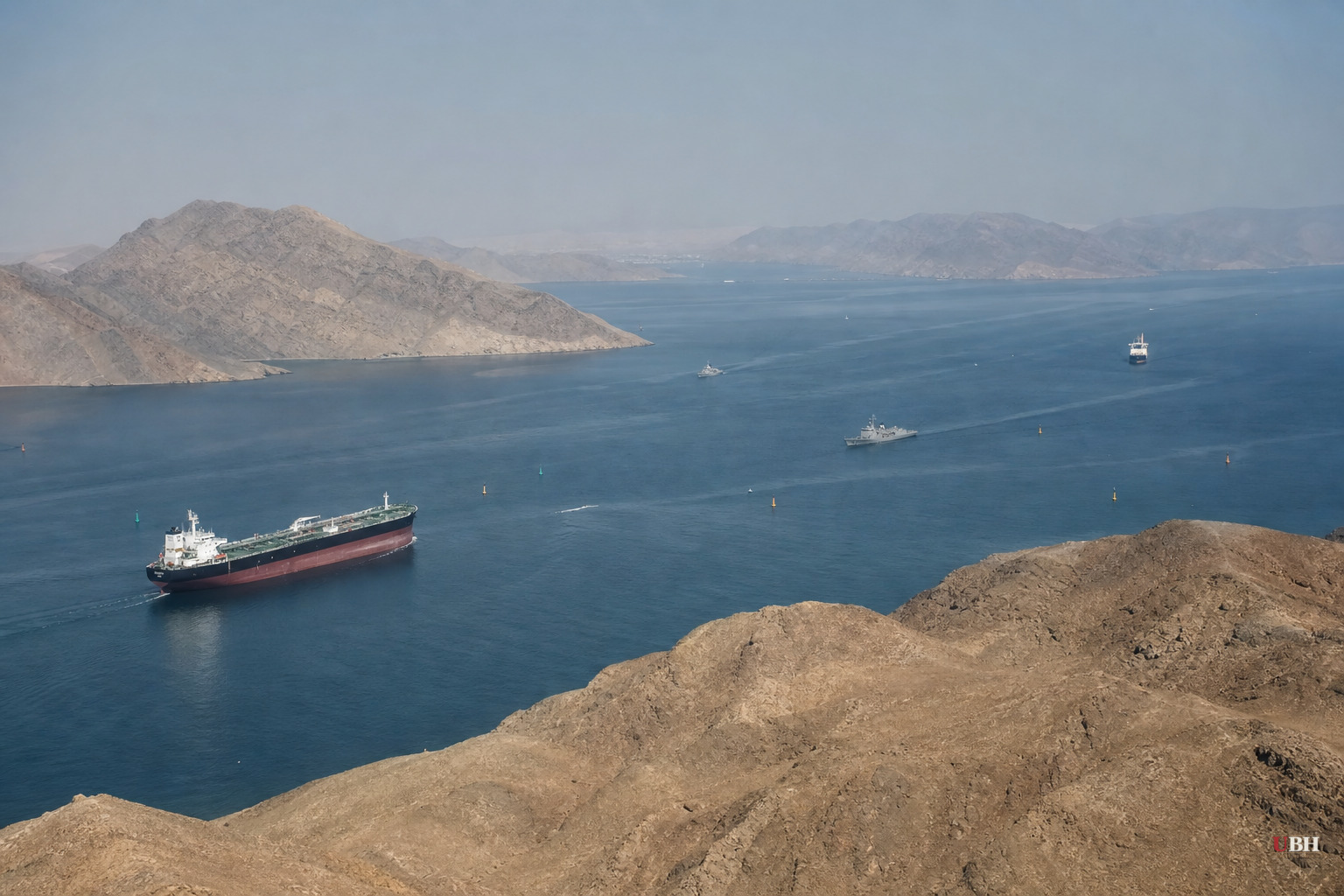
Iran just made clear it isn't in a rush to reopen the Strait of Hormuz, and it's putting a price tag on that patience.
Mohammad Bagher Zolghadr, secretary of Iran's Supreme National Security Council and a commander in the Islamic Revolutionary Guard Corps, issued a statement Saturday, August 8, carried by Iranian state media laying out six conditions the United States must meet before the strait reopens to shipping. According to the Guardian and the Straits Times, those demands are: the U.S. must never threaten Iran again, permanently end strikes on Iran and its regional allies, lift the naval blockade of Iranian ports, withdraw American military forces from around Iran, fully compensate Iran for war damage, and lift sanctions while unconditionally releasing frozen Iranian assets.
Forbes reported the same list, noting it specifically names Lebanon, Palestine, Yemen and Iraq as places where the U.S. must end strikes "forever." That's a maximalist ask, and it lands at a moment when talks between Iran and Oman over managing the strait were reportedly close to a breakthrough.
Iran's foreign minister, Abbas Araghchi, told the military-linked outlet Tasnim on Saturday that Iran and Oman are "very close" to an agreement on navigation, specifically on determining a transit route. But he said the strait's actual reopening depends on separate conditions, including what he called U.S. violations of the Islamabad Memorandum, the interim ceasefire agreement.
Oman, which is mediating, issued a statement Saturday saying talks are continuing in a "positive and constructive atmosphere," and it condemned attacks on ships in the strait, according to the Guardian. The Guardian also reported that the UAE said one of its vessels was targeted by an Iranian missile, underscoring that the blockade isn't just rhetorical. Ships are still being hit.
None of this is close to resolved, and the clock the U.S. and Iran set for themselves is running out. The Guardian reports the 60-day window to negotiate a final deal, under the interim agreement signed in June, ends in just over a week, though it could be extended.
The Trump administration has said sanctions get lifted only as part of a final nuclear deal, and that Iran can access its frozen assets only after giving up its highly enriched uranium, according to Forbes and the Straits Times. That's a firm position. Iran's list is essentially the opposite ask: unconditional relief first, negotiate the rest later. Those two positions don't overlap right now.
What's notable is the silence from Washington. Forbes reported the Trump administration had not publicly commented on Iran's demands as of Saturday afternoon, and ZeroHedge pointed out that President Trump spent Friday focused on domestic issues rather than firing back at Tehran. ZeroHedge also flagged a Reuters report that U.S. officials expect a deal soon and plan to lift the naval blockade of Iranian ports once one is finalized, a detail that, if accurate, suggests more flexibility inside the administration than the public demands from Iran would imply.
Zolghadr's statement itself demands permanent cessation of U.S. strikes on Hezbollah, Hamas, the Houthis and Iranian-backed militias in Iraq. This is not a negotiating opener designed to be accepted. It's designed to be rejected, which lets Tehran blame Washington for the strait staying closed while it keeps squeezing global oil markets.
Iran has genuine grievances it's pointing to under the interim deal. Araghchi's complaint about the U.S. violating the Islamabad Memorandum isn't invented out of nowhere, and Oman's own diplomats, who have skin in this game as the actual mediator, are still calling the atmosphere constructive rather than hopeless. Iran's president, Masoud Pezeshkian, described in the Guardian as a relative moderate, said this week he believes now is the best time for a deal, framing Iran as negotiating from a position of strength rather than desperation.
Meanwhile the numbers back home are moving in the wrong direction. Forbes reported the U.S. average gas price has climbed to $4.02 a gallon, up from $3.16 a year ago. OilPrice.com listed Brent crude at $83.55 and WTI at $78.18, both up on the day. That's the real-world cost of a closed strait, three months before the November midterms, and it's a political liability for Republicans regardless of who's actually at fault in Tehran or Washington.
The open question is whether Iran's list is a real red line or an opening bid. The IRGC's own spokesman, Hossein Mohebbi, told Tasnim that reopening the strait isn't contingent on the Oman talks succeeding at all, and depends instead on the U.S. "fully accepting Iran's conditions," without specifying which ones matter most. That ambiguity, deliberate or not, means nobody outside Tehran's security council knows yet what would actually flip the switch.
Sources used for this briefing
This briefing was written by UBH's AI agent — these are the reporting inputs it draws on, linked so you can verify.


