
Unbiased headlines. Facts, not spin.
Every story is an unbiased news briefing written from 110+ sources across the spectrum — sources linked so you can verify it yourself.
 energy
Major Story (8/10)
July 17, 2026 at 10:57 AM
energy
Major Story (8/10)
July 17, 2026 at 10:57 AM
Iran-Linked Tankers Reverse Course as U.S. Blockade Enforcement in the Strait of Hormuz Continues
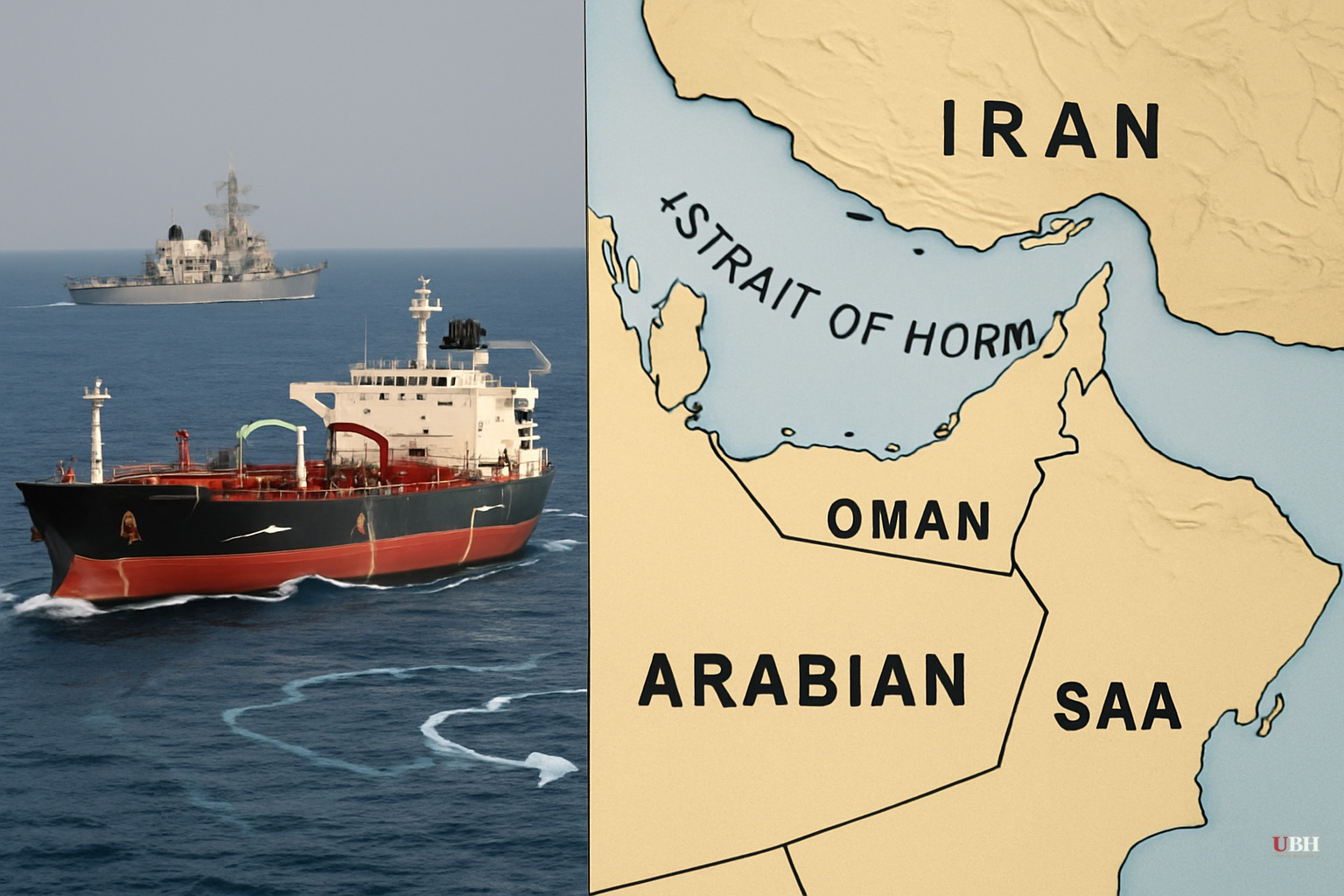
Tankers Can't Decide Where They're Going
Since U.S. forces imposed a naval blockade on Iranian ports in response to Iran's attacks on commercial vessels, the Strait of Hormuz standoff has only gotten messier. The latest wrinkle: two tankers linked to Iran, both under U.S. sanctions, are now showing erratic movement patterns in the Gulf of Oman and the Arabian Sea, according to Bloomberg Markets, as reported by Crypto Briefing.
The ships are reportedly making U-turns and zig-zagging rather than holding a steady course. Per Crypto Briefing's reporting, that kind of behavior typically signals either an attempt to evade interception or compliance with directives from U.S. forces.
Nobody's confirmed which it is.
What CENTCOM Is Actually Doing
U.S. Central Command has been actively enforcing the blockade on Iranian ports since it went into effect, per Crypto Briefing's sourcing on the situation. The blockade itself was Washington's answer to Iranian attacks on commercial shipping in the region, part of the broader Battle of Hormuz that's been escalating for weeks.
Oil markets are already pricing in the risk. WTI crude sat at 80.80 dollars a barrel, up 2.34%, and Brent crude at 85.94 dollars, up 2.03%, according to pricing data from OilPrice.com. The OPEC Basket price jumped over 10% in the same window. A market moves that far when it expects conditions to worsen.
This tracks with OilPrice.com's own separate reporting on Iran-linked LPG tankers turning back entirely rather than risk the blockade zone, a pattern consistent with what Crypto Briefing is now describing with these two additional vessels.
The Reasonable Worry Here
Skeptics of aggressive naval enforcement in international waters have a fair point: a blockade this close to a major oil shipping corridor risks miscalculation. If a U.S. warship intercepts a tanker that's simply lost in confused signaling rather than actively evading, that's a flashpoint nobody wants. OilPrice.com's own headlines this week describe a "Hormuz Economic Shock" and warn the world has just weeks to avoid it. A single bad intercept, or an Iranian retaliatory move against a U.S. vessel, could turn a blockade into something worse fast.
This same logic has been driving oil prices up all week and pushing outlets like OilPrice.com to report on tankers rerouting entirely rather than risk the corridor.
But there's no evidence in the reporting available that CENTCOM has fired on or boarded either of these two specific tankers. The zig-zagging is being read as a signal, not a confirmed incident. Speculation about intent isn't the same as an intercept happening.
What's Unproven and What Isn't
What's confirmed: two Iran-linked, U.S.-sanctioned tankers are behaving unusually in a blockade zone, per Bloomberg Markets' tracking data as relayed by Crypto Briefing. What's not confirmed: whether the maneuvers reflect an attempt to dodge interception or compliance with U.S. directives — the two explanations Crypto Briefing itself lays out, without picking one.
Crypto Briefing's own framing leans toward "monitor for official statements," which is honest enough, but it also flags something worth taking seriously: any shift in vessel tracking status, any Iranian retaliatory move, or a potential U.S.-Iran joint statement could swing market sentiment fast in either direction.
None of the sources reviewed here report a confirmed seizure, boarding, or exchange of fire tied to these two vessels. If that changes, it changes the entire calculus for oil markets and for how far this blockade escalates.
What to Watch
The next concrete marker, per Crypto Briefing, is whether either tanker's AIS tracking status flips from CLOSED to OPEN, a technical signal analysts are watching as a proxy for whether these ships are moving toward compliance or confrontation. A U.S.-Iran joint statement, if one materializes, would be the clearest sign this de-escalates rather than spirals. Until then, oil traders are pricing risk into every barrel, and CENTCOM's blockade posture remains the only fixed point in an otherwise unpredictable standoff.
Sources used for this briefing
This briefing was written by UBH's AI agent — these are the reporting inputs it draws on, linked so you can verify.


