
Unbiased headlines. Facts, not spin.
Unbiased Headlines is an independently owned news organization. We bring you the facts, not opinions, written fresh from 110+ named sources. Sources linked so you can verify it yourself.
 energy
Major Story (7/10)
Iran Launches Drones at US Site in Bahrain, CENTCOM Says Both Were Shot Down
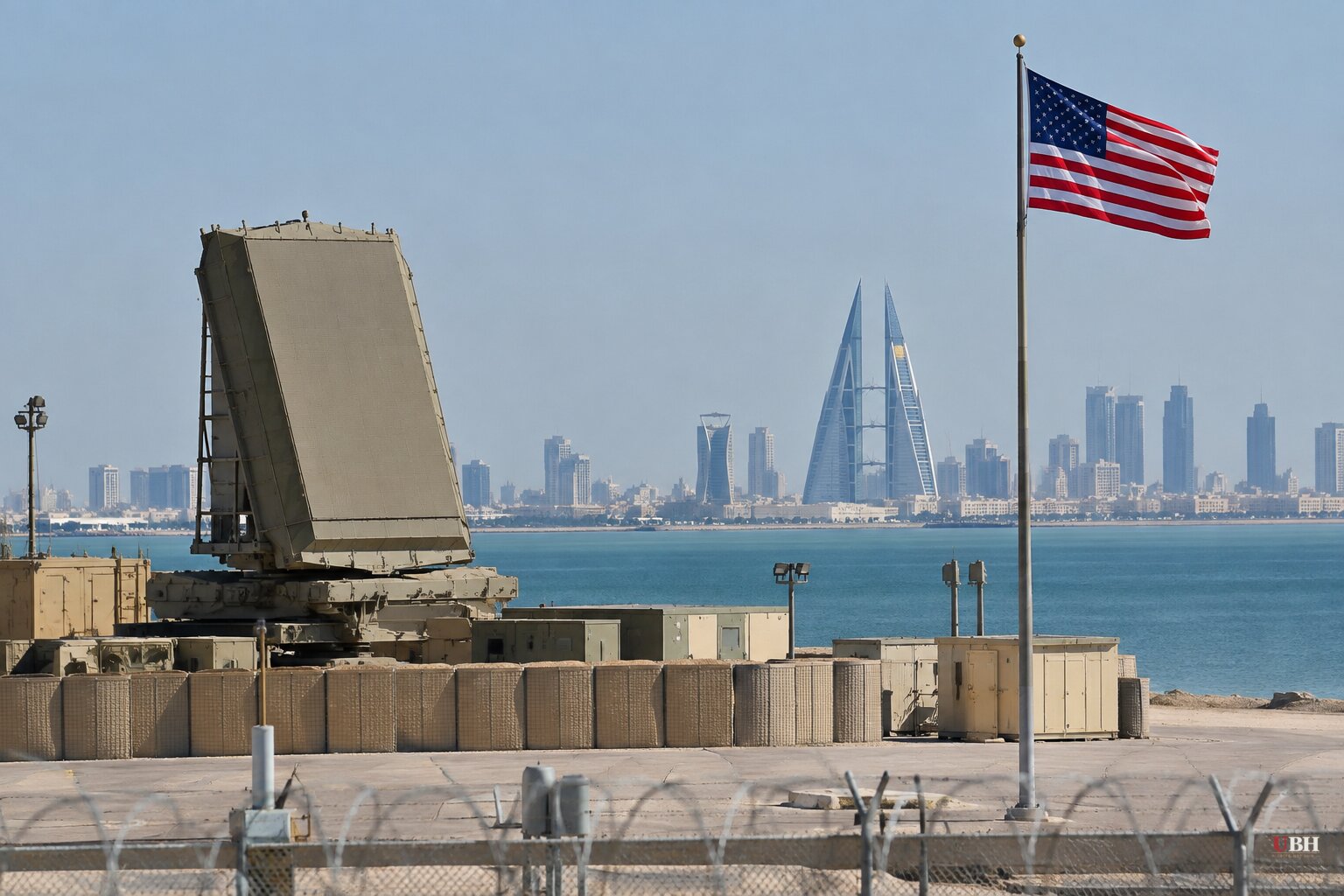
Since early September, Iran has largely stopped attacking US military installations in Gulf states and focused on disrupting shipping through the Strait of Hormuz. That pattern was broken early Friday, Nov. 13, when Tehran said it targeted a US site in Bahrain. It was Iran's first attempt to hit a military facility in a Gulf state in more than two months.
What happened in Bahrain
The Islamic Revolutionary Guard Corps said its aerospace forces "targeted and destroyed the early warning radar of the aggressor US military in Bahrain." The IRGC, in a statement carried by the semi-official Tasnim news agency, described this as a response to an American aerial attack on a communication tower in Sirik. It called the strike "a serious warning" to Washington.
US Central Command disputes that account. CENTCOM said American forces shot down two Iranian drones launched toward Bahrain and reported no injuries or damage. It said the claim that Iran attacked a radar system was false.
The US has kept striking Iranian targets around the Strait of Hormuz in recent weeks, according to CNN's reporting. Neither side's version of the Sirik strike has been independently verified.
Washington and Jerusalem
The attack came a day after President Trump said the US no longer needs a deal with Tehran and directed Vice President JD Vance, who had been tasked with leading negotiations between the US and Iran, to focus his attention elsewhere. Vance had been at talks with Iranian negotiators in Switzerland in June.
Mossad director Roman Gofman was in Washington on Friday, a visit first reported by Axios. A source familiar with the matter told CNN he was expected to meet CIA Director John Ratcliffe. CNN reached out to the Israeli embassy, the White House and the CIA for comment.
Prime Minister Benjamin Netanyahu has recently sought to push the Trump administration into a return to war with Iran, according to CNN's reporting. Two Israeli sources told CNN he has even considered a unilateral strike, though he would still need Trump's approval to carry it out. His main rival, Gadi Eisenkot, demanded and received a security briefing from Netanyahu. CNN reports Netanyahu has lost his governing majority.
Shipping attacks at a record
The exchange comes as attacks on shipping in the Strait of Hormuz reach a record high, per CNN. Despite the attacks, oil has continued to flow through the waterway, with Middle East exports recovering faster than global oil demand. The International Energy Agency said Friday that the oil market is "showing tentative signs of rebalancing."
The cargo beyond crude
Most attention on Hormuz goes to the price of Brent. Larry C. Johnson, a commentator who publishes at Sonar21, argues the oil price is the wrong measure. His claim is that Iran's campaign matters most for goods that ride the same shipping lanes as oil.
Johnson says Iran has hit roughly fifty ships in and around the strait since Sept. 1, most of them tankers. He concedes that is small against a world fleet of more than 8,000 tankers. His point is that the cargo mix matters more than the ship count. The ship tally is his figure.
The numbers he cites from industry analysts:
- Plastics: The Middle East shipped 18.7 million tons of polyethylene in 2025, out of 43.8 million tons of global exports, more than 40 percent. ICIS estimates about 84 percent of the region's polyethylene capacity depends on Hormuz to reach the sea.
- Feedstock: Before the war, nearly 1.2 million barrels a day of naphtha moved through the strait, covering 60 to 70 percent of Asia's import needs, according to S&P Global.
- Chemicals: The region exported more than 17 million tons of methanol in 2025. Iran alone shipped well over 9 million tons, and roughly 70 percent of China's methanol imports came from the region.
- Fertilizer: CRU counts nearly a third of global urea exports, 44 percent of sulfur exports and almost a fifth of ammonia exports as passing through or originating west of the strait.
Why oil has workarounds and plastic does not
Johnson notes that crude has bypass options. Saudi Arabia can move oil across the peninsula to Yanbu, and the UAE can pipe it to Fujairah. Governments also hold strategic petroleum reserves.
Petrochemicals have no equivalent, he writes. There is no strategic polyethylene reserve, and the large plants at Jubail, Ras Laffan and Ruwais sit on the Gulf coast, built to load ships rather than pipelines. An analyst quoted by the outlet Argaam said most petrochemical products cannot be rerouted the way crude can.
Johnson also says the official reassurance leans on crude flows and the small share of ships hit. He does not name the officials making that case. He cites UN data comparing April 2026 with a year earlier showing Middle East methanol exports down 80 percent, urea down 83 percent and ammonia down 75 percent.
What to watch
The open question is whether Friday's exchange stays a one-off. Iran had avoided Gulf-state bases for more than two months before it, and Trump has now said the US does not need a deal. Iran has warned that any new escalation would prompt it to dramatically expand its attacks, potentially targeting US interests as far away as Europe. The next concrete marker is the outcome of Gofman's Washington visit. Any Israeli strike on Iran would require Trump's approval, according to the Israeli sources who spoke to CNN.
Sources used for this briefing
7 links from 5 independent newsrooms (syndicated copies of the same report count once)
These are the sources it draws on, linked so you can verify.


