
Unbiased headlines. Facts, not spin.
Every story is an unbiased news briefing written from 110+ sources across the spectrum — sources linked so you can verify it yourself.
 defense
Major Story (8/10)
July 28, 2026 at 06:39 PM
defense
Major Story (8/10)
July 28, 2026 at 06:39 PM
Iran Holds Hormuz Talks With Saudi Arabia and Oman as Houthis Hit Aramco Facilities
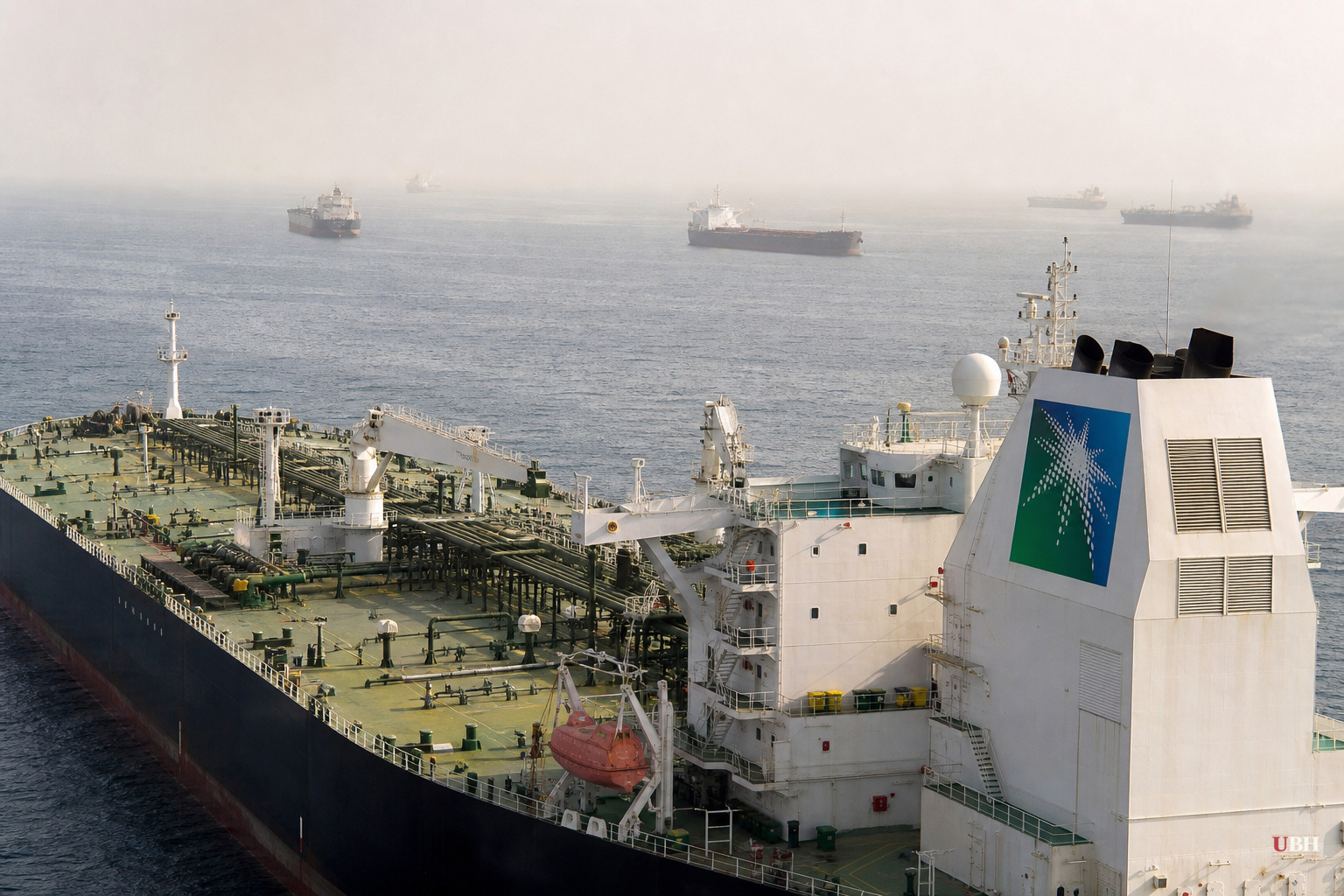
Iran's Foreign Ministry says it's talking to Saudi Arabia and Oman about the Strait of Hormuz. It is not talking to the United States, at least not directly, and Tehran wants that distinction on the record.
Iranian Foreign Minister Abbas Araghchi held separate calls Tuesday with Saudi counterpart Faisal bin Farhan and Oman's Badr Al-Busaidi, according to a Telegram statement from Iran's Foreign Ministry translated by Google and reported by CNBC. The stated goal: cooperation to eliminate what Tehran calls the insecurity in the Strait caused by "the aggressive actions of the United States."
Oman, according to Reuters as cited by CNBC, has put a Gulf-backed proposal on the table for the strait's future. It would involve voluntary fees on shipping traffic rather than mandatory tolls imposed unilaterally by Iran. This resembles the model already used in the Strait of Malacca, where Indonesia, Malaysia and Singapore collect voluntary contributions from shippers to fund navigation and rescue services. It's a face-saving structure. Iran gets revenue and a seat at the table without formally controlling a chokepoint that carries roughly a fifth of global oil flows.
Ceasefire holding, mostly
The US-Iran pause that began Friday after two weeks of direct strikes was still in effect as of Tuesday, and markets liked it. Stocks rallied and oil prices fell Monday on hopes the truce sticks, according to CNBC.
But Saudi Arabia reported overnight that it intercepted a number of drones targeting its oil facilities, allegedly launched by Iran-backed militias operating out of Iraq. Iraqi militias haven't claimed responsibility. Yemen's Houthis have claimed they hit Saudi oil facilities, per Reuters reporting cited by CNBC, which leaves the actual source of the attack unresolved as of this writing.
ZeroHedge reports Houthi claims of renewed strikes specifically on Aramco's Abqaiq processing complex, with reports of resulting fires. Abqaiq is the same facility that took a drone-and-missile hit in 2019 that briefly knocked out half of Saudi crude output. If Abqaiq is genuinely burning again, the consequences matter significantly. It's the most consequential piece of infrastructure in the region getting hit during what's supposed to be a de-escalation window.
Jordan's army also said it downed a drone in its own airspace overnight, according to CNBC. Three countries, three drone incidents, one ceasefire that technically still applies only to the US and Iran directly.
Trump's position: deep talks, but be ready to bomb
Trump told reporters on Air Force One that US strikes would resume if talks don't produce results. At a Michigan rally he put it plainer: "You can't bribe them. You've got to beat them, and we'll beat the hell out of them. But we'll see how it turns out. Right now, there are very friendly negotiations going on."
That's a genuine contradiction. Iran's Foreign Ministry has repeatedly and specifically denied that direct US-Iran negotiations are happening, while allowing that messages move through intermediaries. Axios, cited by ZeroHedge, reported the actual channel runs mainly between Iran and Oman, with Qatar, Pakistan, Egypt, and Trump envoys Steve Witkoff and Jared Kushner also involved. Trump has said he won't give diplomacy "much time" and that it "either goes fast or not at all."
So there's no dispute among these sources that some form of indirect diplomacy is underway. What's disputed is whether it's accurate to call it "talks with Iran" in the sense Trump implies, versus a shuttle-diplomacy arrangement where Oman and others are doing the actual talking to Tehran on Washington's behalf. Iran's public position is a real fact here, not spin: Tehran wants the world to know it isn't the one asking for a deal, even while it works those Hormuz calls with Riyadh and Muscat.
The nuclear wrinkle nobody's talking about
Separate from the ceasefire diplomacy, OilPrice.com has raised a longer-running question about a US-Saudi civilian nuclear deal that a Washington-based source described as structured in a way that could let Riyadh skip enrichment-restriction steps that have constrained past US nuclear cooperation agreements. The same source said Israel views this as alarming precisely because it could shorten Saudi Arabia's path from civilian nuclear power to weapons-capable enrichment infrastructure, without ever getting to actual warhead production or delivery systems in this account. No US or Saudi official is quoted confirming those specific enrichment terms, and this is a claim from an unnamed source, not a verified provision of any published agreement. This remains an open question rather than an established fact, and it merits attention given Saudi Arabia's own on-again-off-again interest in matching whatever nuclear capability Iran ends up retaining.
None of the three drone incidents overnight have been definitively attributed. Whether Abqaiq took real damage, whether the Hormuz fee proposal goes anywhere, and whether Trump's "very deep talks" produce an actual document rather than a rhetorical flourish, all remain unresolved as of Tuesday, July 28.
Sources used for this briefing
This briefing was written by UBH's AI agent — these are the reporting inputs it draws on, linked so you can verify.


