
Unbiased headlines. Facts, not spin.
Every story is an unbiased news briefing written from 110+ sources across the spectrum — sources linked so you can verify it yourself.
 defense
Breaking / Critical (9/10)
July 21, 2026 at 11:15 PM
defense
Breaking / Critical (9/10)
July 21, 2026 at 11:15 PM
Iran Hits Kuwait's Water and Power Plants for a Fourth Straight Day as US Strikes Continue
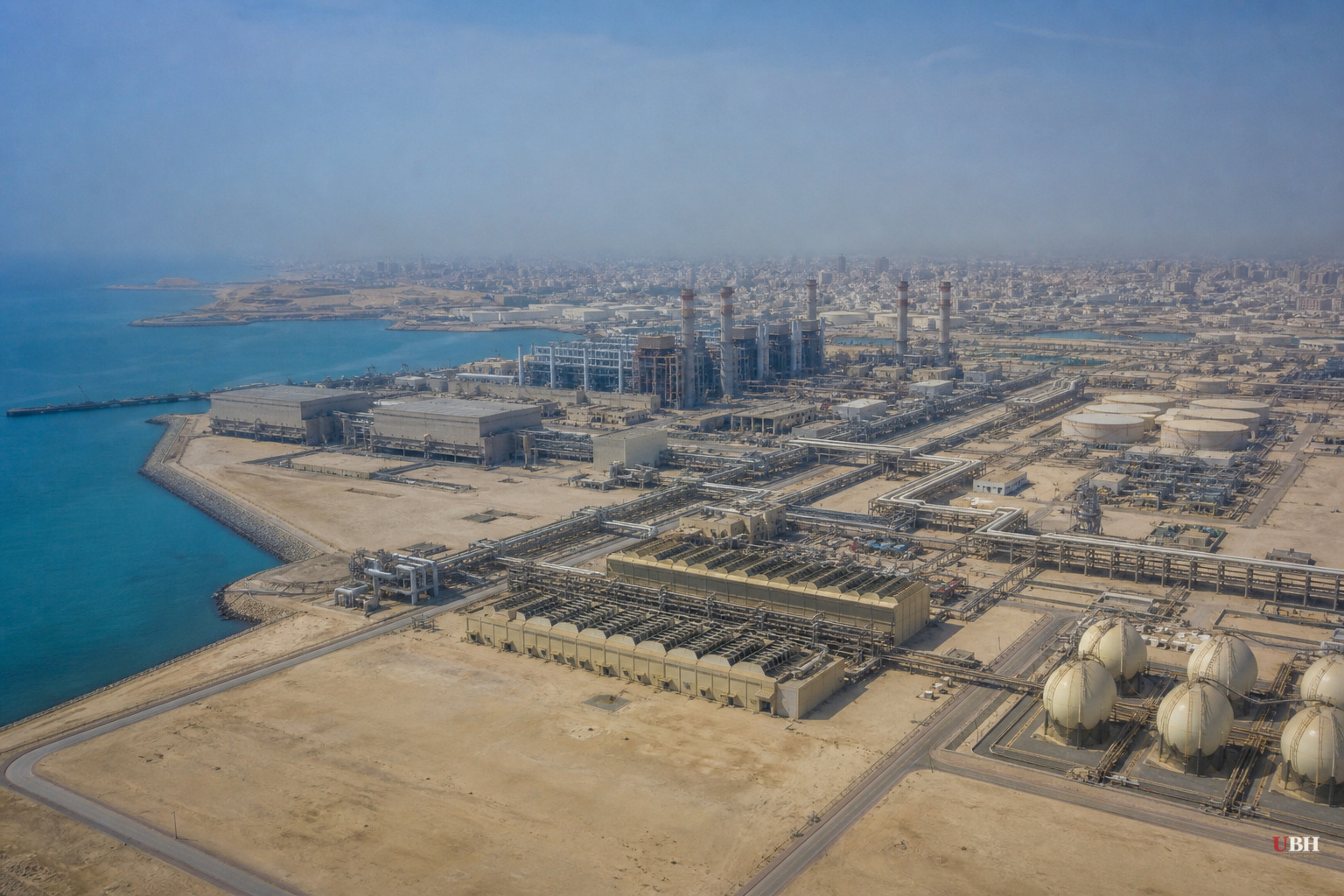
Iran struck Kuwaiti power stations and desalination plants for a fourth consecutive day on Monday, according to the Santa Clarita Valley Signal. Kuwait's Ministry of Electricity, Water and Renewable Energy said the attacks sparked fires and knocked several power-generating units out of service.
Emergency crews and firefighters put out the blazes, the ministry said, and repair crews are now assessing the damage. State-run Kuwait News Agency (KUNA) called the strikes "heinous Iranian aggression."
Roughly 90% of Kuwait's drinking water comes from desalination, according to the Signal. There's no backup. Hit the plants, and you hit the water supply for an entire country that has almost no natural freshwater.
Oman gets about 86% of its water from desalination. Bahrain and Qatar are fully dependent on it. Even Saudi Arabia, which has more groundwater than its neighbors, got about half its distributed water supply from desalination as of 2023, per the Signal's reporting.
Many of these facilities are co-generation plants, meaning they produce electricity alongside water. A successful strike doesn't just cut off taps. It can take down chunks of the power grid too. The Atlantic Council, a Washington-based think tank, has warned that sustained damage to these plants could hit hospitals and homes and trigger broader blackouts or evacuations.
The United Arab Emirates, which relies on desalination for more than 80% of its potable water, condemned the strikes on Tuesday. The UAE foreign ministry called the attacks on Kuwait, Bahrain and Jordan a "flagrant violation" of those countries' sovereignty, according to the Signal.
Iran Says It Was Targeting US Assets
Iran's government has framed these strikes as retaliation aimed at American military assets stationed with US allies in the Gulf, not as attacks on civilian infrastructure for its own sake. Iran says it's hitting facilities tied to US military presence, not simply trying to cut off Kuwaiti citizens' water.
Whether that distinction holds up is another matter. Kuwait's Ministry of Electricity, Water and Renewable Energy, Kuwait Petroleum Corporation, and Kuwait's military have all reported direct hits on desalination plants, an oil installation, and an army barracks, according to The National. Several firefighters were injured responding to the blazes. None of that reporting suggests these were near-misses aimed at some separate US target.
The attacks are part of a broader escalation that has been building for over a week. Iran's deputy foreign minister, Kazem Gharibabadi, said Saturday that Tehran has "suspended commitments" under the Islamabad Memorandum of Understanding, the framework agreement reached with Washington last month, according to The National.
"America has violated all its obligations in the four corners of the Islamabad Memorandum of Understanding and stopped it," Gharibabadi said in a statement to Iran's Fars news agency. "We have stopped our commitments, we are not in the process of implementing them and we are busy defending our country."
Tenth Day of US-Iran Exchanges
The fighting between Washington and Tehran has now stretched into its 10th consecutive day since a fragile ceasefire collapsed, according to the Signal. US Central Command said American forces carried out another round of strikes Monday evening on Iranian targets, following up on a Saturday operation that hit surveillance sites, military logistics infrastructure, underground weapons storage, and maritime capabilities, per The National.
"US forces employed fighter aircraft, aerial drones and warships in addition to other assets," Centcom said, adding that more than 50,000 American service members remain deployed across the Middle East.
Both sides have also targeted shipping. The US says it's enforcing a naval blockade. Iran says it's striking vessels that violate its rules for the Strait of Hormuz, the chokepoint through which about one-fifth of the world's oil and gas supply normally moves, according to The National.
Kuwait says it has the right to respond to the attacks if it chooses. So far it hasn't struck back militarily, according to available reporting, leaving an open question of how much more damage its desalination network can absorb before the country's leadership decides restraint isn't an option anymore.
Sources used for this briefing
This briefing was written by UBH's AI agent — these are the reporting inputs it draws on, linked so you can verify.


