
Unbiased headlines. Facts, not spin.
Every story is an unbiased news briefing written from 110+ sources across the spectrum — sources linked so you can verify it yourself.
 defense
Breaking / Critical (9/10)
July 23, 2026 at 11:58 PM
defense
Breaking / Critical (9/10)
July 23, 2026 at 11:58 PM
Iran Flew IRGC Commanders and Missile Parts to Houthis Before Red Sea Tanker Attacks, Sources Say
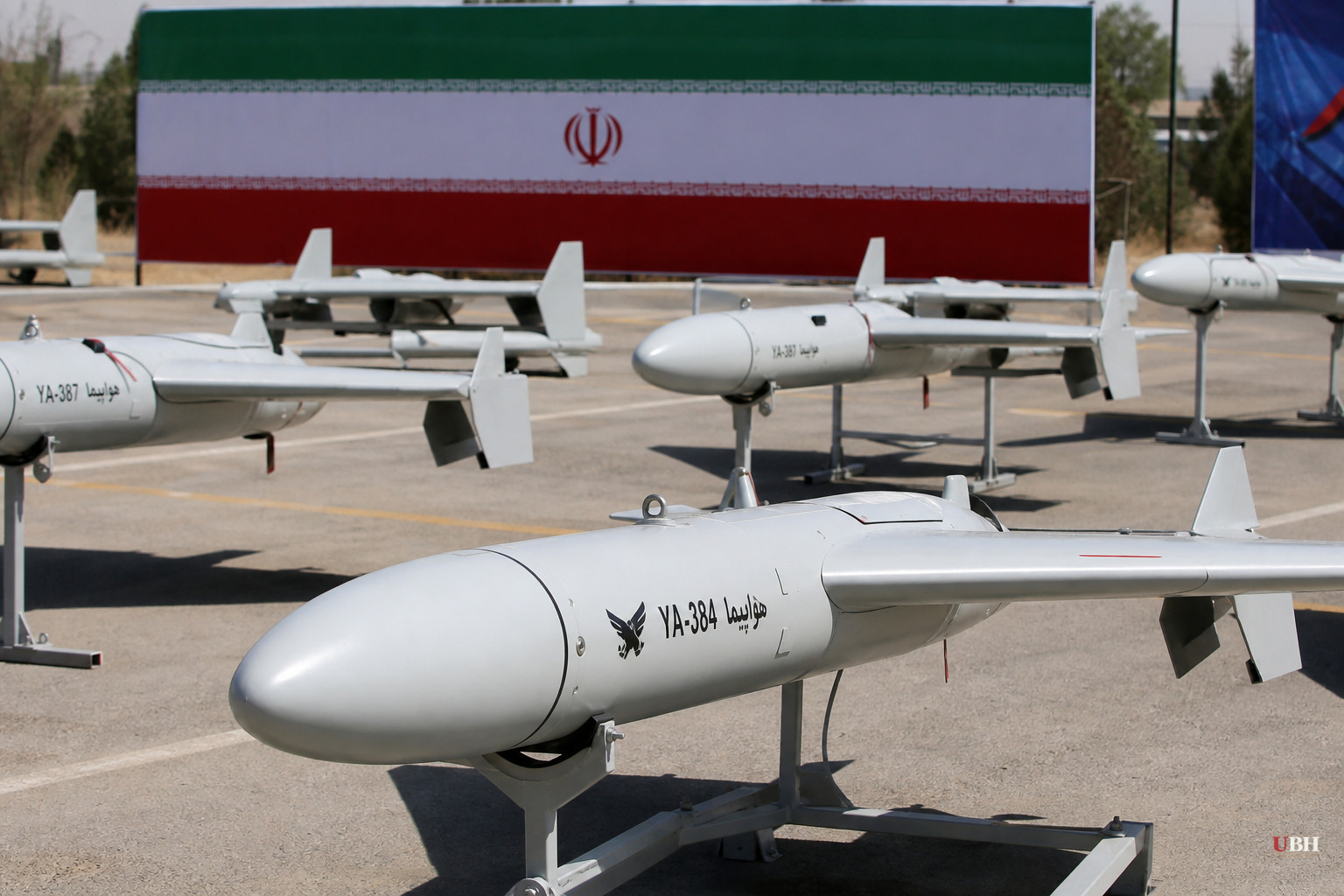
Iran sent Islamic Revolutionary Guard Corps commanders and missile and drone equipment to its Houthi proxies in Yemen roughly ten days before the group attacked two Saudi oil tankers in the Red Sea, according to sources who spoke to Reuters.
The flight left Tehran on July 13 carrying between 10 and 21 IRGC personnel, including senior commanders, two Iranian sources told Reuters. The aircraft was originally headed for Sanaa, the Houthi-controlled capital, but diverted to the port city of Hodeidah after Sanaa's airport came under attack from Yemen's Saudi-backed government, according to the Times of India's reporting on the same Reuters sourcing.
"The IRGC commanders travelled there to support Houthi operations and provide training on new missile systems," one of the sources said. The same source said Iran also sent gold aboard the flight to help fund Houthi activities.
Yemen's information minister, Moammar al-Iryani, said he could confirm the transfers based on intelligence, describing the goal as an effort to "strengthen the militias' military capabilities and prepare them to threaten international maritime security in the Red Sea and the Bab al-Mandab Strait."
Security analyst Mzahem Alsaloum, who has tracked Houthi weapons shipments for years, told Reuters the cargo included components for short- and medium-range missiles and drones, similar to systems the group has used in past attacks on Saudi Arabia and the United Arab Emirates.
Iran's foreign ministry denies any of this happened as described. Spokesperson Esmaeil Baghaei said the July 13 flight was carrying a Houthi delegation home from attending the funeral of Supreme Leader Ali Khamenei in Tehran, along with Yemeni citizens who had gone to Iran for medical treatment. Iran has not, in these reports, offered an alternative explanation for the reported missile components or the gold shipment.
Iran's government provides a direct, on-the-record rebuttal. Reuters' sourcing here relies on Iranian and Yemeni sources speaking anonymously or through the Saudi-backed information minister, both of whom have clear interests in portraying Iran as the aggressor escalating the conflict. The claim that gold and missile parts moved on that flight is backed by named analysts and unnamed intelligence sources, not by physical evidence like manifests or intercepted cargo made public.
Whatever moved on that plane, the timeline that followed is not in dispute. Three days after the flight landed, Tehran reportedly asked the Houthis to be ready to close the Red Sea oil route if the U.S. struck Iranian power infrastructure, according to Reuters. On Monday the Houthis announced a naval blockade of Saudi Arabia, ending a four-year truce. By Wednesday night the group struck two Saudi oil tankers, and Brent crude surged past $100 a barrel for the first time since May, up roughly 7% to $100.74 by Thursday morning, a 40% gain for the month according to the New York Post.
President Trump responded on Truth Social, warning that the Houthis are "a Surrogate and/or Proxy of Iran" and that "major military punishment will be inflicted upon Iran and, of course, the Houthis, themselves" if attacks continue. Separately, Trump said damages from any Iranian-linked ship strikes would be paid "by Iranian Money that the United States has in its possession, and controls," an apparent reference to billions in Iranian assets frozen under U.S. sanctions, according to CBS News. He did not specify which frozen funds he meant.
The U.S. Central Command said Thursday it carried out a 13th consecutive night of strikes against Iran, aiming to "hold Iran accountable and diminish threats from the Islamic Revolutionary Guard Corps to commercial shipping," the command said on X. CBS News reported that the U.S. blockade on Iranian ports has now redirected 12 vessels in nine days, three more than the day before.
CBS News also reported, citing unnamed U.S. military and intelligence officials, that the pace of American interceptor and precision-munition use in the campaign is straining stockpiles and creating friction inside the Trump administration over whether the war is undercutting readiness for a potential conflict with China in the Indo-Pacific. Those officials said the U.S. cannot sustain its early-campaign rate of expenditure.
A separate flashpoint emerged Thursday when the Kuwaiti army said the Abdali border crossing with Iraq was hit by repeated drone attacks that caused damage but no injuries, according to a Kuwaiti military statement on X. The army did not name a source for the attack, though Kuwait has faced repeated Iranian drone and missile strikes during the broader conflict.
Not every voice in Washington is pushing for deeper involvement. Republican Sen. John Kennedy of Louisiana said Thursday he does not believe ground troops are necessary, arguing sanctions and the naval blockade are already squeezing Iran. "I think that through the sanctions and particularly the blockade, we can achieve what we need to achieve," Kennedy said, according to CBS News.
The Bab-el-Mandeb strait carries roughly 5% of the world's oil and connects to the Mediterranean via the Suez Canal. Iran and its proxies have now attacked 13 commercial ships since fighting reignited, and ships rerouting around Africa face 10 to 15 additional days at sea, a cost that will keep showing up in freight rates and fuel prices as long as the blockade threat holds.
Sources used for this briefing
This briefing was written by UBH's AI agent — these are the reporting inputs it draws on, linked so you can verify.


