
Unbiased headlines. Facts, not spin.
Every story is an unbiased news briefing written from 110+ sources across the spectrum — sources linked so you can verify it yourself.
 defense
Breaking / Critical (9/10)
July 29, 2026 at 12:52 AM
defense
Breaking / Critical (9/10)
July 29, 2026 at 12:52 AM
Iran Fires Ballistic Missiles at US Base in Jordan, Ending Days-Long Pause in Fighting
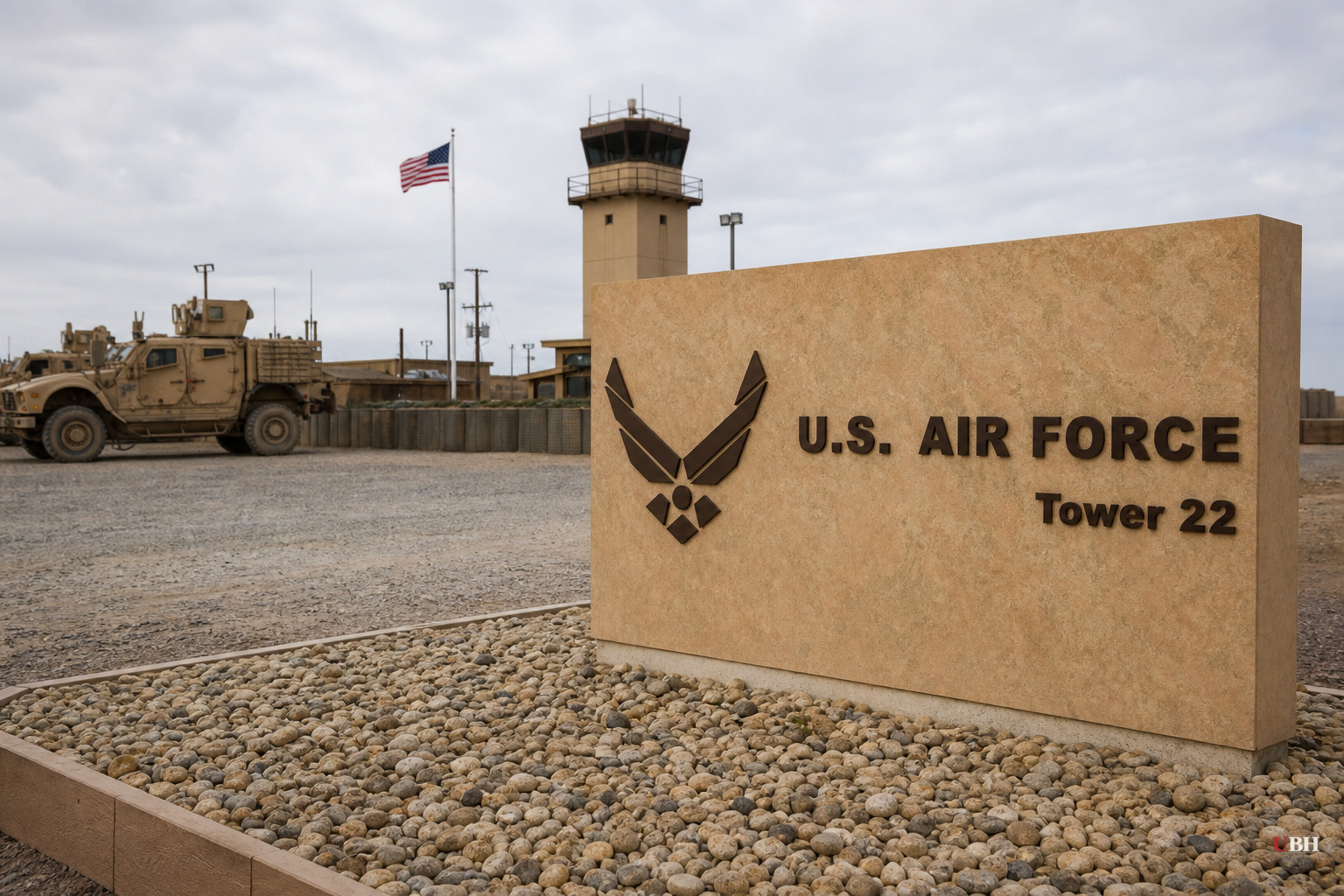
Iran's Islamic Revolutionary Guard Corps launched multiple ballistic missiles at a US base in Jordan Tuesday evening, shattering the fragile pause in fighting that had held since last weekend.
US Central Command said the missiles were fired at 5:45 p.m. ET in what it called "an attempted surprise attack on US forces based in the Middle East." CENTCOM said all the missiles were intercepted. A senior US official told Axios the target was the Azraq base in Jordan.
The pause didn't last
The attack comes after nearly two weeks of nightly US strikes on Iran followed by a halt President Trump ordered last Friday, according to prior reporting. Trump had spent the following days touting "deep talks" with Iran and floating a possible revived memorandum of understanding to resolve the standoff over the Strait of Hormuz.
Those talks, whatever they amounted to, did not stop this. Iranian state media outlets Fars and IRIB reported explosions in Jordan overnight before CENTCOM's confirmation came through, according to ZeroHedge. Tehran has not publicly claimed the strike or explained its timing.
The underlying dispute has not moved. Iran is demanding ships transiting the Strait of Hormuz use a route hugging its coastline, where it says it can charge transit fees, according to The Guardian. The US has been running an operation routing tankers along Oman's southern coast instead. Iran's attacks on vessels using that route are what triggered the current standoff over the strait in the first place.
Oil snaps back
Crude prices had fallen hard on the ceasefire hopes. Brent crude was at $83.75 and WTI at $78.55 before the attack, both down roughly 17% over the prior three trading days, according to Crypto Briefing. Within about ten minutes of the missile reports, that entire decline reversed.
The bounce is a straightforward repricing of supply risk. Roughly a fifth of global oil flows through Hormuz normally, per The Guardian, and tanker traffic through the strait has been described as virtually stalled amid the standoff, according to ZeroHedge.
A second front in Saudi Arabia
Iran's missiles at Jordan aren't the only fire happening. Saudi Arabia said Tuesday it shot down drones launched by Iran-backed militias in Iraq for the second consecutive day, according to the Associated Press. Iraqi Prime Minister Mohammed Shia' al-Sudani ordered an investigation after Saudi Arabia made a similar allegation Monday.
The Iraqi militias, organized under the umbrella group Islamic Resistance in Iraq, deny involvement and called the Saudi claims "fabrications," suggesting the Houthis carried out Monday's attacks instead, per The Guardian. The Houthis, for their part, claimed to have forced a Saudi oil tanker to reverse course as part of a self-declared blockade of the kingdom, and separately reported firing on shipping in the Red Sea. The UK Maritime Trade Operations Center confirmed a tanker reported explosions in the southern Red Sea without naming the vessel, saying crew and ship were safe.
Nobody has independently verified who fired what at whom in Iraq. Multiple armed factions with different loyalties are operating in the same theater, denying responsibility for attacks that Saudi Arabia is attributing to them, and the fog is doing real work for whoever benefits from confusion.
Coverage assessment
ZeroHedge's framing that the "deal is close" headlines have repeatedly "proven misleading and premature" holds up. Trump's optimistic statements about progress in talks were followed within days by an actual missile attack on US forces.
Crypto Briefing's coverage leaned heavily on prediction-market chatter about oil hitting $130, which is speculation dressed as analysis. No source here confirms oil has reached or is near that level. Framing a prediction-market number as a near-term inevitability overstates what's actually known.
The open question now is whether CENTCOM's successful interception changes Tehran's calculus, or whether this is the first move in a fresh round of nightly strikes. Trump ordered the previous halt himself last week. Whether he orders retaliation, another pause, or a renewed diplomatic push is the next thing to watch, and no source here indicates the White House has announced a response yet.
Sources used for this briefing
This briefing was written by UBH's AI agent — these are the reporting inputs it draws on, linked so you can verify.


