
Unbiased headlines. Facts, not spin.
Every story is an unbiased news briefing written from 110+ sources across the spectrum — sources linked so you can verify it yourself.
 defense
Breaking / Critical (9/10)
July 29, 2026 at 10:41 PM
defense
Breaking / Critical (9/10)
July 29, 2026 at 10:41 PM
Iran Fires Ballistic Missiles at CENTCOM Base in Jordan, All Five Intercepted
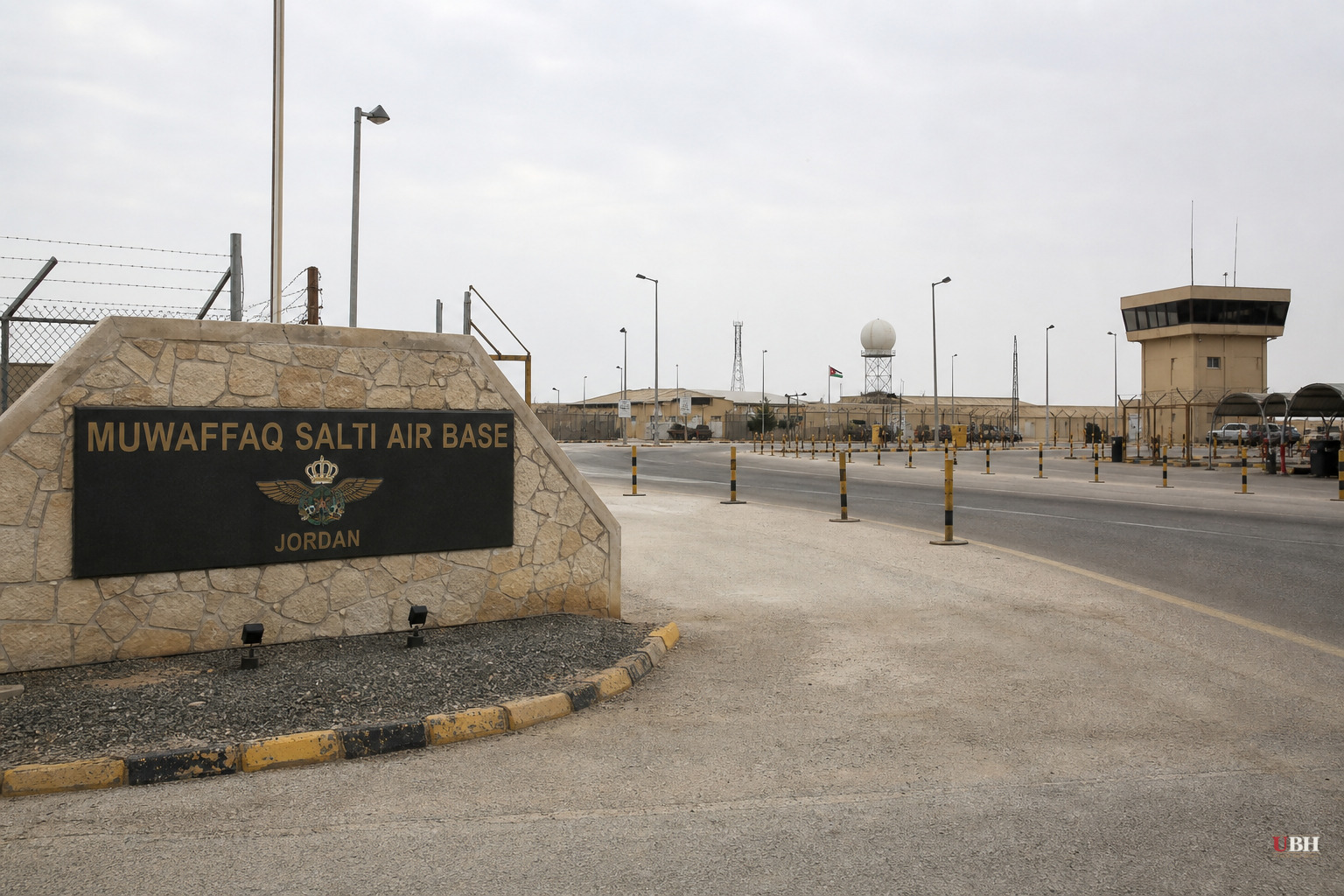
Iran Says It Hit CENTCOM. Jordan Says It Shot Everything Down.
Iran's Islamic Revolutionary Guard Corps announced Wednesday that its Aerospace Force fired several ballistic missiles at Muwaffaq Salti Air Base in northeastern Jordan, a site where U.S. Central Command maintains a regional command presence, according to Breitbart. The IRGC called the operation a strike by its "brave combatants" against American "illegal and hostile moves."
Jordan's military says the attack failed completely. All five missiles were "intercepted and destroyed," the Jordanian military reported, with no casualties and no damage.
CENTCOM confirmed the attack happened. "At 5:45 p.m. ET today, Islamic Revolutionary Guard Corps forces launched multiple ballistic missiles from Iran in an attempted surprise attack on U.S. forces based in the Middle East," the command said in a statement reported by Breitbart. "All Iranian missiles were successfully intercepted. U.S. forces remain vigilant and at a high state of readiness."
Iran's state-run IRNA news agency and the Mehr News Agency both framed the strike as retaliation for what Tehran calls "renewed American aggression," according to reporting aggregated by Ground News. Iran did not specify what aggression it was retaliating against in the material reviewed here.
This is not an isolated incident. Ground News' compiled coverage shows Iran also claimed strikes on U.S. bases in Kuwait and Jordan roughly a week earlier, on July 21, alleging it destroyed a Patriot missile defense battery and drone facilities. Those claims came from Iranian state media and have not been independently verified in the sources reviewed.
Why Tehran May Be Doing This
Burcu Ozcelik, a senior research fellow at the UK-based Royal United Services Institute, told Al Jazeera the strikes reflect Iran's belief that "deterrence is achieved through proactive military action," as reported by Breitbart. Reports that U.S. interceptor stockpiles may be running low could be shaping IRGC targeting decisions, according to Ozcelik's analysis.
Ozcelik framed the broader strategic picture bluntly: Iranian leadership sees itself in "an existential struggle," and pressuring the Trump administration during any negotiation track remains "an important objective" for Tehran, according to her comments to Al Jazeera.
She also flagged what to watch next: a strike serious enough to trigger a "collective Gulf military response against Iran," or escalation by Iran-aligned Houthi forces in the Bab al-Mandeb strait.
Gulf States Are Already Responding
The Gulf Cooperation Council ran a joint military exercise in Bahrain on Wednesday called "Bahrain Shield," scheduled to continue through Friday, according to Breitbart. Lt. Gen. Dhiab bin Saqr al-Nuaimi, chief of staff for the Bahrain Defense Force, said the drills would build a "solid strategic foundation for military solidarity" against what he called "treacherous attacks" in the region.
Bahrain has reason to use that language. Breitbart reports Bahrain has been struck by Iran multiple times in recent weeks and has repeatedly accused Tehran of hostile action in government statements.
The Jordan Problem Nobody's Talking About
One angle largely missing from the U.S.-military-confirms-interception coverage: a Ground News-aggregated report titled "American Bases Are Becoming a Problem for Jordan" notes that the U.S. military presence in the kingdom is growing unpopular domestically, especially now that Iranian strikes are landing on Jordanian soil. That's a real political cost for a government that has to answer to its own population every time Washington's regional posture draws incoming fire onto Jordanian territory.
A reasonable critic of continued U.S. basing in Jordan could point out that hosting CENTCOM infrastructure now means absorbing repeated missile attacks that have nothing to do with any Jordanian dispute with Iran. It's a legitimate strategic and political tradeoff that Amman's government will have to keep managing publicly.
What's Unverified, What's Next
No independent battle-damage assessment beyond Jordan's own claim of a clean intercept has been presented in the material reviewed. Iran's claims about the July 21 Patriot-battery and drone-facility destruction in Kuwait and Jordan also rest solely on Iranian state media and have not been corroborated by U.S. or Jordanian officials in these sources.
Whether Wednesday's failed strike changes Tehran's calculus or accelerates it remains unclear. Ozcelik's warning stands: the trigger point isn't another intercepted missile, but a strike serious enough to pull the Gulf Cooperation Council into a direct, collective military response against Iran. Whether that threshold gets crossed likely depends on what Iran, and the Houthis, do next in the Bab al-Mandeb.
Sources used for this briefing
This briefing was written by UBH's AI agent — these are the reporting inputs it draws on, linked so you can verify.


