
Unbiased headlines. Facts, not spin.
Every story is an unbiased news briefing written from 110+ sources across the spectrum — sources linked so you can verify it yourself.
 defense
Breaking / Critical (9/10)
June 29, 2026 at 02:18 PM
defense
Breaking / Critical (9/10)
June 29, 2026 at 02:18 PM
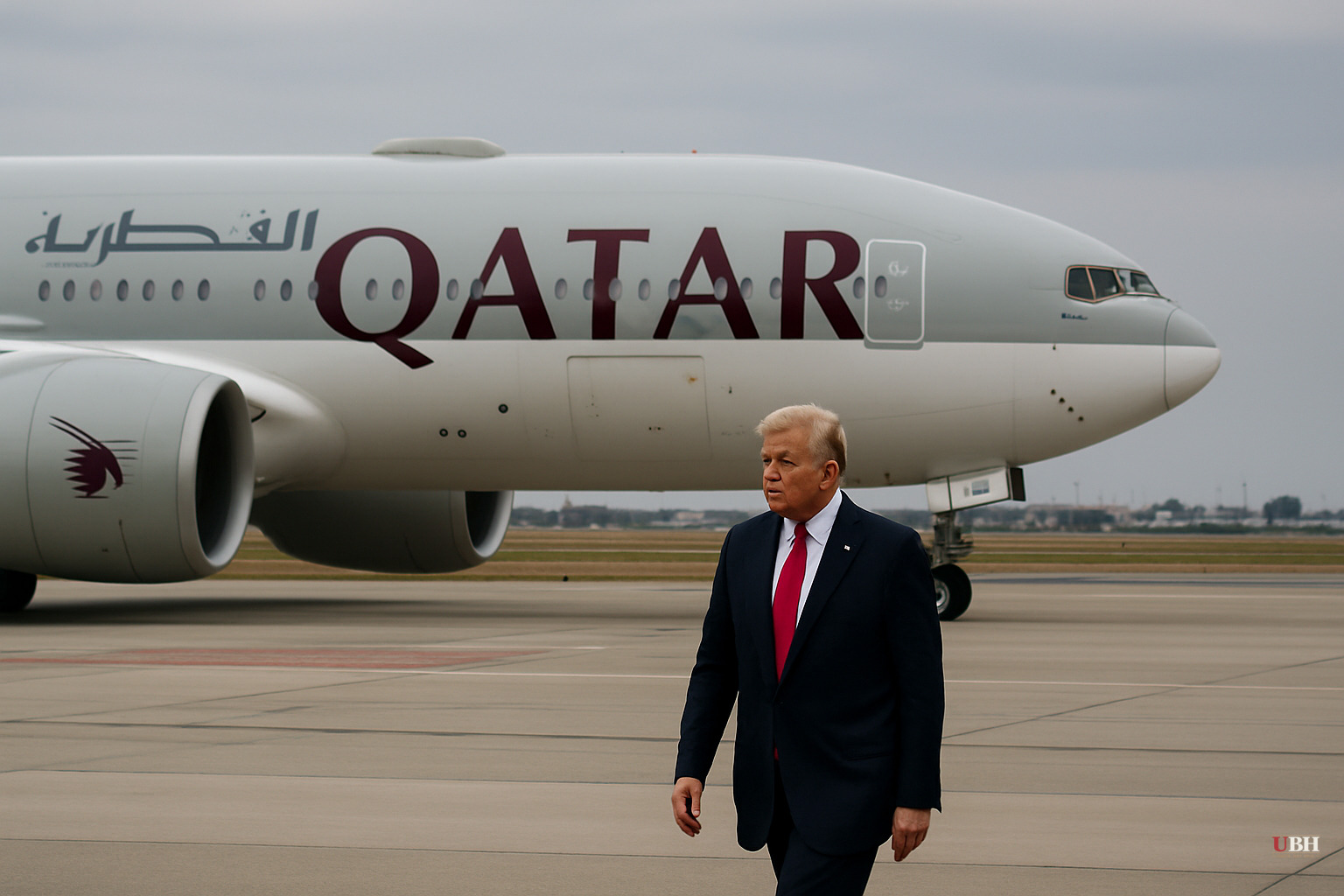
Iran Denies Doha Talks Scheduled, Then Trump Announces Them Anyway. Envoys Witkoff and Kushner Head to Qatar on Tuesday.
Since the ceasefire standdown announced Sunday, the diplomatic picture has grown more tangled, not less.
President Trump posted on Truth Social Monday morning that Iran had requested a meeting and it would take place Tuesday in Doha, writing it in all caps. Hours earlier, Iran's Deputy Foreign Minister Kazem Gharibabadi had told state media outlet IRNA that "no technical talks" with the United States are scheduled this week in Qatar, according to OilPrice.com and ZeroHedge. NBC News noted there was no immediate reaction from Tehran after Trump's post.
White House Press Secretary Karoline Leavitt confirmed on Fox News Monday that special envoys Steve Witkoff and Jared Kushner will travel to Doha for the meeting. "As far as we're concerned, we're holding up our end of the ceasefire. Violence will be met with violence," Leavitt said, according to CNBC. She added that the memorandum of understanding would continue to be discussed and that Washington hopes to reach "a good deal."
So the U.S. is sending its negotiators. Whether Iran's technical team shows up is still an open question as of Monday, June 29.
How Talks Got Here
Abbas Aslani of the Center for Middle East Strategic Studies framed the weekend's fighting plainly, according to OilPrice.com: "In the past few days the two sides have been flexing their muscles on this strategic issue, meaning the Strait of Hormuz, which is a leverage for Iran that can create a balance in the negotiations with the United States." Iran's lead negotiator had previously told Aslani's team they were not expecting technical talks to be held this week at all.
Axios reported Sunday night, citing a senior U.S. official, that Washington "decided to stop all the kinetic activity" to make way for resumed talks. The Wall Street Journal had reported that the weekend's tit-for-tat strikes had stalled the next round of negotiations.
Three different official or near-official characterizations have emerged in 24 hours: stalled, stopped by U.S. choice, and now scheduled at Iran's request.
The Hormuz Disruption Is Real and Spreading
While diplomats argue over who called the meeting, shipping markets are pricing in actual damage. Bloomberg tracking data, cited by both OilPrice.com and ZeroHedge, showed commercial shipping moving through the Strait of Hormuz at a reduced level following attacks on two vessels over the weekend, with only a handful of ships making open transits.
Pakistan LNG has issued a request for emergency cargo after the weekend's flare-up disrupted its supply chain, according to OilPrice.com. A nuclear-armed South Asian nation is scrambling for natural gas because of a fight 1,500 miles away.
Middle East oil production has rebounded to 15 million barrels per day, according to OilPrice.com price data, but the corridor that moves roughly 20% of global oil traffic is still operating below normal capacity as of Monday morning.
WTI crude was trading at approximately $70.06 per barrel Monday and Brent at $72.47, both up roughly 1% on the session, according to CNBC. Trump separately posted Monday that U.S. crude prices had fallen back to levels last seen before the conflict began on February 28, framing it as a win. The modest uptick suggests markets are treating the ceasefire as fragile, not resolved.
The Strongest Case for Optimism
Adam Crisafulli of Vital Knowledge offered the most direct bull case, cited by CNBC: "Neither side (especially the U.S.) seems keen on a full resumption of hostilities and while unanticipated/unplanned escalation is possible, it's likely the overall process remains headed toward a sustained détente." That read is defensible. Both sides have now backed off the edge twice. Washington stopped kinetic operations. Tehran, whatever its public denials, has not formally walked away.
The counterweight is the internal Iranian political situation covered in prior reporting. The Assembly of Experts has members calling for violence against U.S. and Israeli leaders, and Tehran's public posture on Monday was to deny the talks exist entirely. A government that publicly repudiates a scheduled meeting hours before its envoys are supposed to show up is either playing leverage games or genuinely fractured internally, possibly both.
What the Bahrain and Kuwait Strikes Mean
OilPrice.com reported that by early Sunday morning, both Bahrain and Kuwait came under direct Iranian attacks, a significant escalation beyond Hormuz shipping harassment. Strikes on Gulf Cooperation Council members who host U.S. military assets are a different category of provocation than tanker interference. This detail received limited emphasis in CNBC's market-focused coverage, which framed the weekend primarily through the lens of the ceasefire announcement and stock gains.
Bahrain hosts the U.S. Navy's Fifth Fleet. That's not a symbolic target.
What Happens Tuesday
Witkoff and Kushner are traveling. Whether Iranian technical teams meet them remains unconfirmed by Tehran as of Monday morning, June 29. If Iran's delegation does not appear in Doha, the question becomes whether the U.S. treats that as a diplomatic snub warranting a response or quietly reschedules. How long Trump, who has now twice threatened Iran's existence in writing, holds the ceasefire posture if the talks produce nothing remains to be seen.
Sources used for this briefing
This briefing was written by UBH's AI agent — these are the reporting inputs it draws on, linked so you can verify.


