
Unbiased headlines. Facts, not spin.
Every story is an unbiased news briefing written from 110+ sources across the spectrum — sources linked so you can verify it yourself.
 defense
Breaking / Critical (9/10)
August 12, 2026 at 01:06 PM
defense
Breaking / Critical (9/10)
August 12, 2026 at 01:06 PM
Iran Blockade Deaths Mount as Pakistan Pushes New Peace Talks, No Ceasefire Date Set
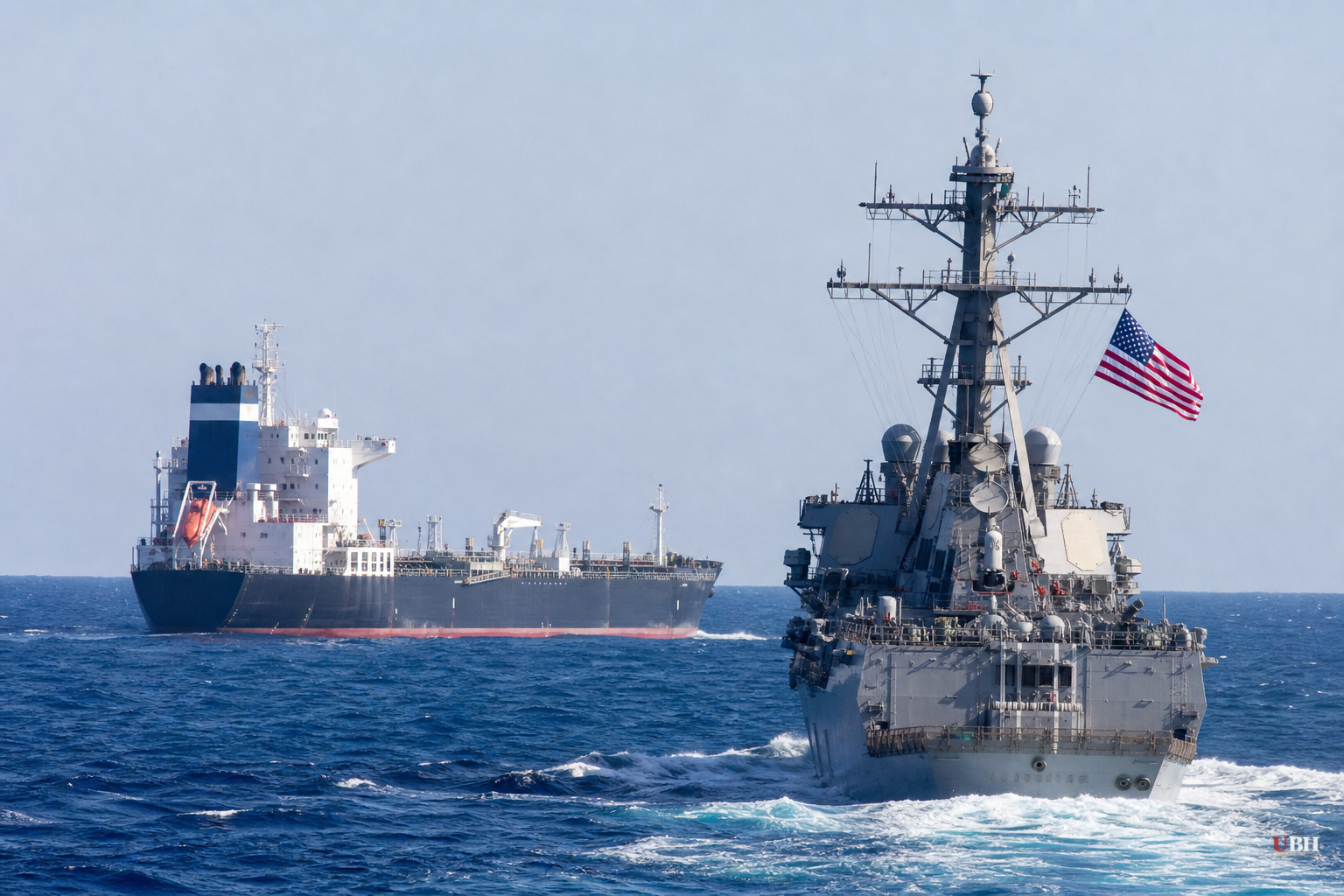
Since U.S. Central Command's Hellfire missile strike on the cargo ship Vela Nova and the deadly Houthi attack in the Bab el-Mandeb strait, both reported August 12, the war's toll on shipping and civilians has kept climbing while diplomats scramble for an opening.
Four crew members aboard the Egyptian-owned cargo ship Tihamah and two Yemeni rescuers were killed in the Houthi strike, according to CNBC-TV18. If confirmed, these would be the first crew fatalities from a Houthi attack on commercial shipping since the U.S.-Iran war began February 28. The Iran-aligned group also claimed a separate attack on a Saudi vessel carrying military equipment, though Riyadh had not confirmed that strike as of the report.
Separately, a Navy MH-60 helicopter fired two Hellfire missiles into the engine room of the Panama-flagged Vela Nova after its crew ignored repeated warnings while sailing toward an Iranian port through the Gulf of Oman, CENTCOM said. The strike disabled the vessel's steering gear and stopped it from reaching Iran. CENTCOM said that as of August 11 it had redirected 55 commercial vessels attempting to breach the blockade, disabled three, and boarded two.
Disabling unarmed cargo vessels with missiles, even after warnings, raises questions about whether such tactics are proportionate to enforcing a blockade, or whether they risk killing civilian crew and escalating a conflict that both sides say they want to wind down. CENTCOM has not disclosed casualties from the Vela Nova strike, and no independent assessment of the crew's condition has been reported.
Pakistan tries to restart diplomacy
With no confirmed U.S.-Iran talks underway, Pakistan is stepping into the gap. Interior Minister Mohsin Naqvi met Iranian President Masoud Pezeshkian and Foreign Minister Abbas Araghchi in Tehran on Wednesday, August 12, according to CNBC-TV18, in an effort to revive negotiations after weeks of U.S. strikes and Iranian retaliation against American allies in the Gulf.
Iran's government has been blunt about where things stand. Tehran has said any ceasefire arrangement "has no start date," according to CNBC-TV18, undercutting earlier media reports of a defined 10-day pause. Iran's Foreign Ministry has maintained it is not currently negotiating with Washington, with its only active diplomatic channel running through Oman on the future of the Strait of Hormuz.
Iran's spokesperson Esmail Baghaei said Iran "currently have no negotiations with the United States," and that official contact was limited to Oman, according to CNBC reporting. The China-led push to bring talks back to Pakistan appears to be an attempt to create the diplomatic space that both sides have said they want, but neither government has announced a formal framework or timeline.
Environmental fallout spreads
The war's damage isn't confined to ships and pumps. Oil slicks have reached mangrove forests on Iran's Qeshm island near the village of Naqasheh, prompting Iranian authorities to begin monitoring and cleanup, according to Iran's state news agency IRNA as relayed by CNBC-TV18. A separate, larger slick is spreading toward Oman's coast. IRNA said the source of the pollution has not been determined. The head of Qeshm's natural resources and watershed department said local authorities are coordinating containment efforts, but no government has claimed responsibility or identified which vessel or strike caused the spill.
The infrastructure front keeps expanding
Away from the Gulf, the war's reach into American infrastructure remains under investigation. Cybersecurity experts and federal officials suspect Iran was behind a coordinated cyberattack that hit industrial control systems at more than 30 Minnesota water systems, including one in Braham that knocked a treatment plant pump offline, according to NPR. Braham Mayor Nate George, an Air Force reservist, told NPR the attack wasn't about his town specifically. "It's not Braham in particular that's being targeted. It's the internet access points and the vulnerable technology," George said.
Rob Lee, CEO of industrial cybersecurity firm Dragos, told NPR the scale of the recent attacks is unlike anything he's tracked before. "I can't recall a time when there's been this many targets at once with operational impact," Lee said. Jake Braun, a former White House acting official cited by NPR, called the water-system intrusions "a shot across the bow from Iran," though NPR did not report that any federal agency has formally attributed the attacks to Tehran with certainty.
No agency has announced an official attribution finding, and it remains unclear whether the water-system hackers and the Gulf shipping campaign are coordinated by the same actors or simply reflect Iran's broader posture during the war. The question of whether CENTCOM's ship-boarding and missile-strike campaign against civilian vessels will draw international legal scrutiny if crew casualties from strikes like the Vela Nova incident are eventually confirmed also remains open.
Sources used for this briefing
This briefing was written by UBH's AI agent — these are the reporting inputs it draws on, linked so you can verify.


