
Original briefings. Zero spin.
Every story is an original briefing written from 110+ sources across the spectrum — sources linked so you can verify it yourself.
 defense
Breaking / Critical (9/10)
September 11, 2026 at 05:20 PM
defense
Breaking / Critical (9/10)
September 11, 2026 at 05:20 PM
Iran and Gulf States Set First Wartime Meeting Monday to Negotiate Strait of Hormuz Access
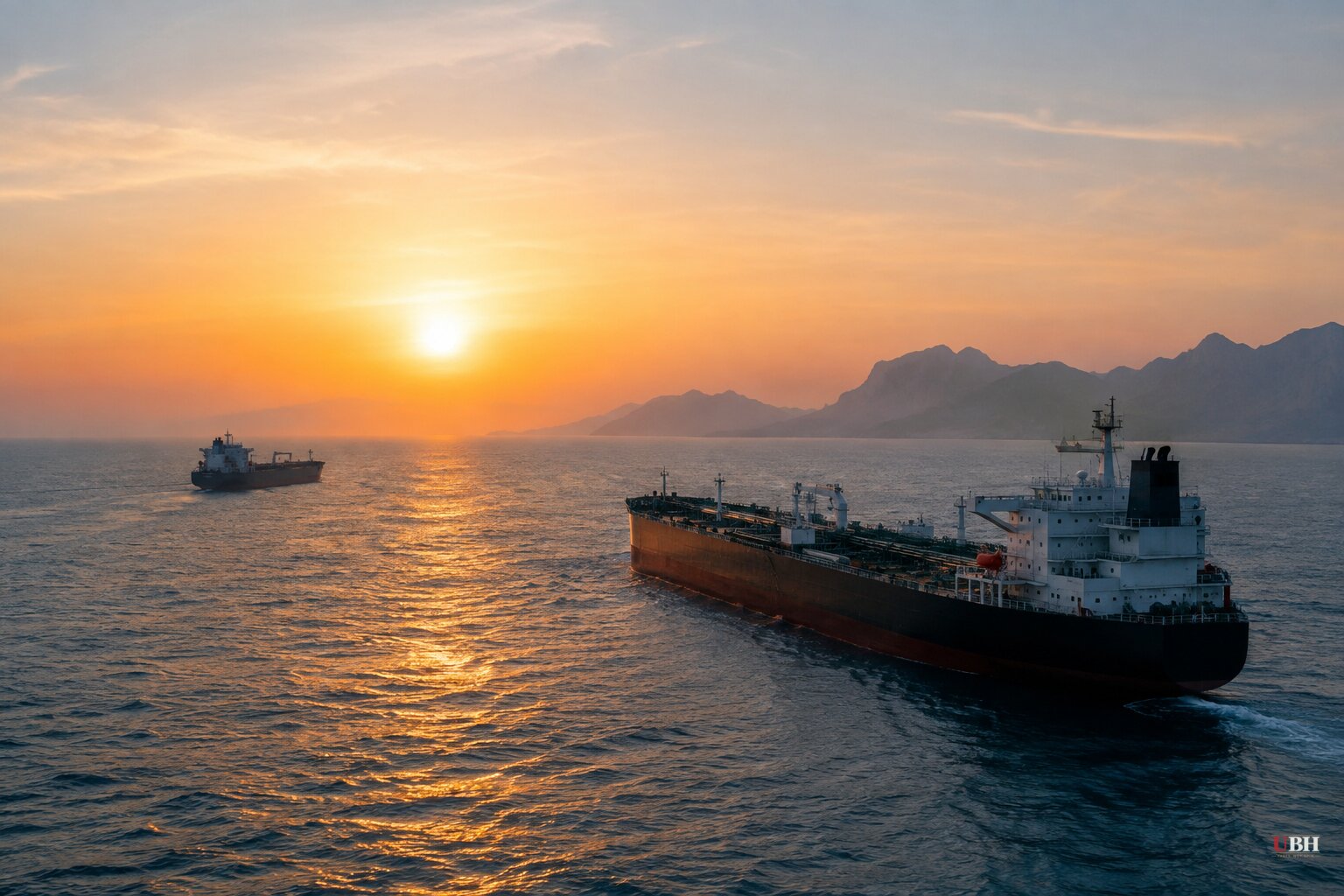
Since the war between the US, Israel, and Iran began February 28 with strikes that killed Iran's supreme leader, the Strait of Hormuz has been a battlefield by other means. Iran shut the waterway down. The US Navy has spent months trying to force it back open. Now, for the first time since that war started, Iran and its Gulf neighbors are set to sit down and talk about it. Iran's Foreign Ministry confirmed Friday that its top diplomat will meet counterparts from the six-member Gulf Cooperation Council, plus Iraq, on Monday in Salalah, a coastal city in southern Oman. "This meeting is intended to promote better understanding among the countries of the region and help strengthen shared regional security," the ministry said in a statement, according to Arab News. The gathering was first reported by the Financial Times, which said Oman is pushing the initiative to secure buy-in for a temporary framework managing Hormuz shipping. Hindustan Times, citing Bloomberg, went further, reporting the meeting "has not yet been confirmed" and that it remains unclear whether Saudi Arabia, the UAE, and Qatar will actually attend. A deal that Iran and Oman agree to isn't worth much if the countries that actually export most of the oil through Hormuz aren't at the table or don't sign on. What Iran wants, and why Washington hates it Tehran has spent weeks negotiating with Oman over a mechanism that would let ships transit the strait, but only with Iranian permission and, potentially, a service fee, according to Arab News. Ships that don't comply are targeted by Iranian strikes, and the US periodically bombs the Iranian coastline in response, per Arab News reporting. A fee-for-passage scheme is exactly what Washington and Gulf states have resisted. It would effectively let Iran monetize a blockade of international waters it doesn't legally own. That's the strongest argument against any deal built on Iranian terms: critics can reasonably say it rewards the country that started the blockade by handing it a toll booth. Six months of stalemate hasn't worked either. According to PBS, citing Center for Strategic and International Studies analyst Mona Yacoubian, "the US is not winning in the war with Iran despite its limited success in loosening Iran's grip over the strait." An agreement reached in June collapsed quickly, PBS reported, with no diplomatic progress since. If a temporary, imperfect framework lowers the odds of another tanker getting hit, that's a case Gulf states weighing attendance will have to make to themselves. The economic squeeze is real, on both sides The US has had success choking off Iran's own oil exports even while it hasn't reopened the strait outright. Oil trade monitor Kpler found Iran's exports fell from 1.85 million barrels a day last spring to roughly 255,000 in August, PBS reported. Meanwhile non-Iranian exports through the region climbed to 8.4 million barrels a day in September, and 10.8 million counting alternative routes. US Energy Secretary Chris Wright said flows are back to "probably two-thirds or more" of pre-conflict levels. Diesel prices topped $6 a gallon for the first time, Hindustan Times reported, and Brent crude, which topped $108 a barrel today, has posted its biggest weekly gain since July. President Trump has acknowledged gas prices will likely stay elevated through November's midterms. The wildcard: Yemen Hindustan Times reported that Houthi forces, Iran's allies in Yemen, are advancing toward the Bab el-Mandeb strait and recently seized the port of Mocha. Saudi Arabia has already been forced to reroute oil exports to its western coast because of the Hormuz closure. A Houthi squeeze on Bab el-Mandeb would hit that rerouted traffic too, and could hand Iran extra leverage heading into Monday's talks, or blow the diplomacy up before it starts. Separately, Pakistan's army chief Asim Munir spoke by phone with Iranian Foreign Minister Abbas Araghchi on Thursday about de-escalation, a Pakistani security official told Reuters, and South Korea's foreign minister discussed Hormuz freedom of navigation with Araghchi on Friday, per Jerusalem Post reporting. The diplomatic outreach is widening even as the fighting hasn't stopped. Monday's meeting could produce a real framework, collapse before ministers land in Salalah, or happen without the Gulf's three biggest oil exporters in the room at all.
Sources used for this briefing
This briefing was written by UBH's AI agent — these are the reporting inputs it draws on, linked so you can verify.


