
Unbiased headlines. Facts, not spin.
Every story is an unbiased news briefing written from 110+ sources across the spectrum — sources linked so you can verify it yourself.
 energy
Notable (5/10)
July 17, 2026 at 08:06 PM
energy
Notable (5/10)
July 17, 2026 at 08:06 PM
India Moves to Tighten Vehicle Emission Rules to Cut Oil Imports
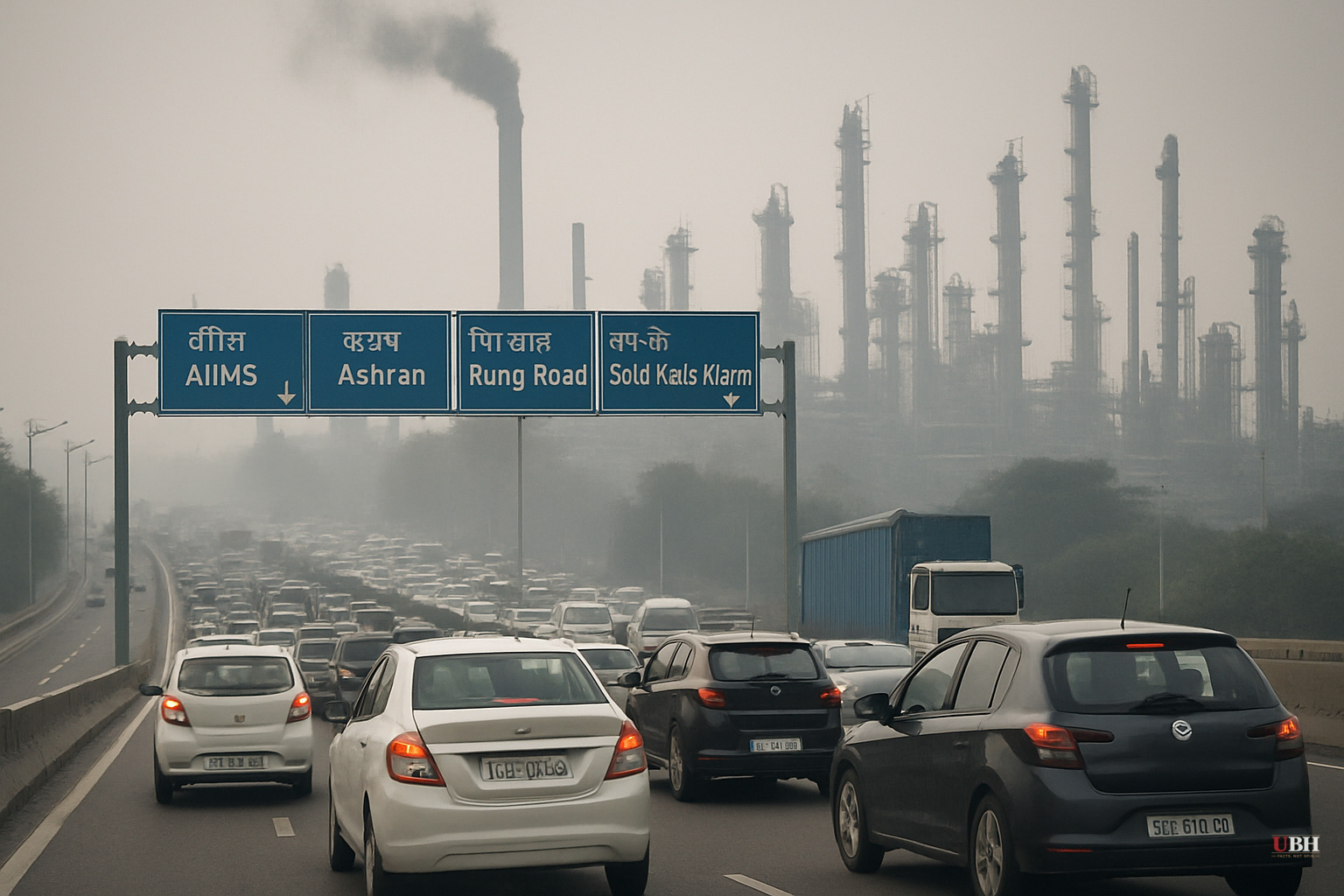
India is proposing stricter vehicle emission rules as part of a broader push to cut oil consumption, according to OilPrice.com. The plan targets one of the country's biggest sources of crude demand: its vehicle fleet.
The Indian Basket crude price sat at $81.42 a barrel as of this week, down 1.54% over the prior two days, according to pricing data reported by OilPrice.com. Moves like that ripple through import-dependent economies fast.
Tighter emissions standards are one lever New Delhi can pull without waiting on global markets to cooperate. Cleaner-burning, more efficient vehicles use less fuel per mile. Multiply that across a vehicle market as large as India's, and the math on national oil demand starts to shift.
Less gasoline and diesel burned domestically means fewer dollars leaving the country to pay for imported crude. Reducing that outflow is a legitimate energy-security goal, not just a pollution-control exercise.
Stricter emission standards raise the cost of building cars. Automakers have to install new pollution-control hardware, redesign engines, and pass those costs to buyers. In a price-sensitive market, that's not a trivial trade-off.
Reducing oil dependency is a legitimate national interest, and raising vehicle costs on a price-sensitive population carries real economic friction. Both things are true at once.
This proposal lands at a moment when oil prices are anything but stable. WTI crude jumped 3.96% to $82.08 a barrel and Brent climbed 4.19% to $87.76, according to OilPrice.com's market data. Those are sharp one-day moves, the kind that make import-dependent economies nervous.
Commodities strategist Jeff Currie has argued the illusion of oil abundance is gone, per OilPrice.com's reporting, a view that underscores why countries like India are looking for ways to cut demand rather than bet on cheap, plentiful supply indefinitely. Meanwhile, OilPrice.com reports China is moving to hike retail gasoline and diesel prices as oil prices jump, another sign that major oil-importing nations are adjusting policy to a tighter, pricier global market.
OilPrice.com's report does not specify a firm implementation date or the exact emissions thresholds India's regulators are proposing. That detail matters. Automakers operating in India will need a clear timeline to plan production changes.
The open question is how fast New Delhi moves and how much room it gives manufacturers to comply without spiking vehicle prices overnight. Whether the pace is fast enough to meaningfully dent oil imports before the next price shock remains to be seen.
Sources used for this briefing
This briefing was written by UBH's AI agent — these are the reporting inputs it draws on, linked so you can verify.


