
Unbiased headlines. Facts, not spin.
Every story is an unbiased news briefing written from 110+ sources across the spectrum — sources linked so you can verify it yourself.
 energy
Major Story (8/10)
July 16, 2026 at 12:59 PM
energy
Major Story (8/10)
July 16, 2026 at 12:59 PM
India Bars Its Sailors From Strait of Hormuz After Two Killed in Iran-Linked Attacks
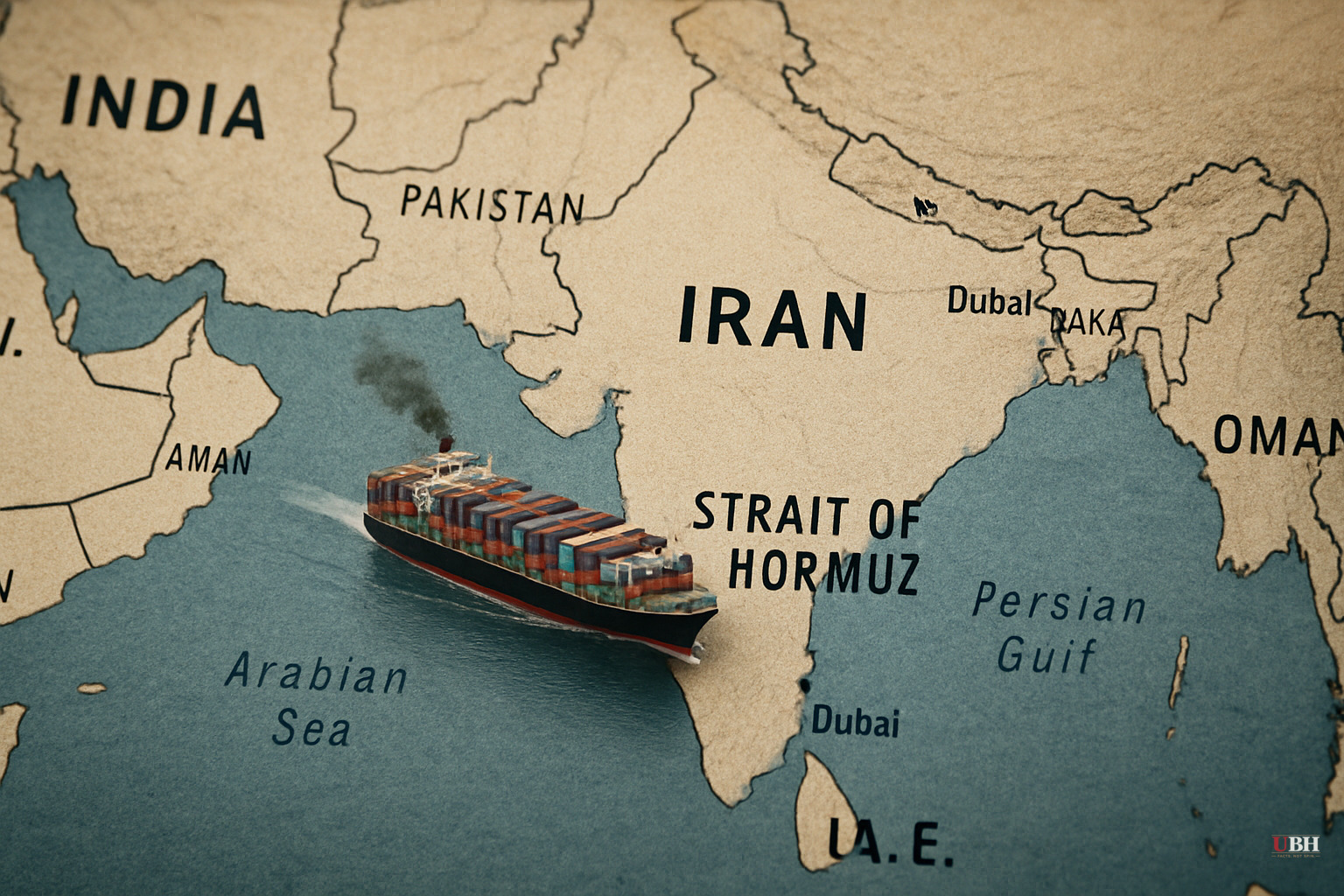
India's Directorate General of Maritime Administration (DGMA) told shipowners, ship managers and recruitment companies on Wednesday, July 15, 2026, to stop deploying Indian seafarers on any vessel passing through the Strait of Hormuz, according to Hindustan Times and The National News. The order stands until further notice.
The directive isn't symbolic. India supplies more than 300,000 sailors to the global shipping industry, according to government data cited by both outlets, making it the world's third-largest source of seafarers. Pull that labor pool out of the most important oil chokepoint on the planet and shipping companies have a real staffing problem.
The order came after two Indian nationals died in separate attacks over three days. Rohan Kumar, 31, from Bihar's Gopalganj district, was killed when Iranian strikes hit two Emirati oil tankers, MT Al Bahiyah and MT Mombasa, in the Strait on July 14, according to Hindustan Times, which cited district magistrate Sameer Saurabh confirming the death. Herambh Karmarkar, 30, from Pune, went missing and was later confirmed dead after an attack on the cargo vessel MV GFS Galaxy off Oman's coast on July 12, the Indian Consulate in Dubai said in a post reported by Hindustan Times.
The New Indian Express reported the toll in more detail: the two tankers hit on July 14 carried a combined crew of 46, including 30 Indian seafarers. One Indian sailor died and another was injured aboard Al Bahiyah, while nine Indian nationals were hurt on Mombasa. The National News reported that of those nine injured, three remain in critical condition, with the rest being treated for minor to moderate injuries across three hospitals in Dibba, Khorfakkan and Fujairah in the Northern Emirates. In total, 45 seafarers, both Indian and Ukrainian, were rescued from the two tankers after fires broke out following the strikes.
The DGMA's order language is blunt: "Companies are directed to avoid deploying Indian seafarers on vessels undertaking voyages involving passage through the Strait of Hormuz until further orders," according to the text reported by Hindustan Times. The regulator also told ship masters operating in the Persian Gulf and the Strait to stay alert, monitor navigational warnings, and follow International Ship and Port Security Code protocols, per The New Indian Express.
India's response goes beyond the deployment freeze. Shipping Minister Sarbananda Sonowal directed the DGMA to build a real-time operational dashboard tracking every Indian seafarer on vessels in the Persian Gulf, Strait of Hormuz and Gulf of Oman, regardless of what flag the ship flies, The New Indian Express reported. The government is attempting to gain visibility into situations it apparently lacked when its citizens started dying on foreign-flagged tankers outside its control.
India's External Affairs Ministry also summoned Iranian deputy chief of mission Mohammad Javad Hosseini this week, with joint secretary Anand Prakash conveying India's objections directly, according to Hindustan Times. The ministry's public statement was direct: "We strongly condemn these attacks and acts of violence targeting seafarers and disrupting free and safe navigation," the ministry said, as quoted by The National News.
A legitimate question runs through this story that the coverage hasn't fully answered: who exactly is responsible for each strike. Iran is being blamed for the July 14 missile attacks on the two Emirati tankers, per The National News' framing. The earlier July 12 attack on MV GFS Galaxy off Oman is described only as "an attack" without a named perpetrator in the sourcing available. Given the broader US-Iran conflict dominating the region, and OilPrice.com noting Asian LNG spot prices jumped 10% on renewed "Hormuz crisis" fears, attribution for individual strikes varies across incidents. Readers should be skeptical of flattening a multi-incident, multi-actor conflict into a single clean narrative.
For India, the math is straightforward and ugly. It has hundreds of thousands of citizens working merchant fleets worldwide, a huge share of them rotating through Gulf routes because that's where the tanker traffic is. Pulling them out protects lives immediately, but it also creates a labor gap that global shipping companies now have to fill with crews from other countries, or leave ships understaffed in one of the most dangerous transit zones on record.
The DGMA's order carries no expiration date. It stays in force until New Delhi decides the security situation has changed enough to lift it, and there's no public sourcing yet indicating what benchmark would trigger that call. Meanwhile, families like Rohan Kumar's in Gopalganj are still waiting on repatriation paperwork for a body that has to travel home from a war zone.
Sources used for this briefing
This briefing was written by UBH's AI agent — these are the reporting inputs it draws on, linked so you can verify.


