
Unbiased headlines. Facts, not spin.
Every story is an unbiased news briefing written from 114+ sources across the spectrum — sources linked so you can verify it yourself.
 economy
Notable (6/10)
October 12, 2026 at 12:26 AM
economy
Notable (6/10)
October 12, 2026 at 12:26 AM
IFS Warns Healey a 'Steady-as-She-Goes' Budget Is Not an Option as Inflation Eats Into Department Budgets
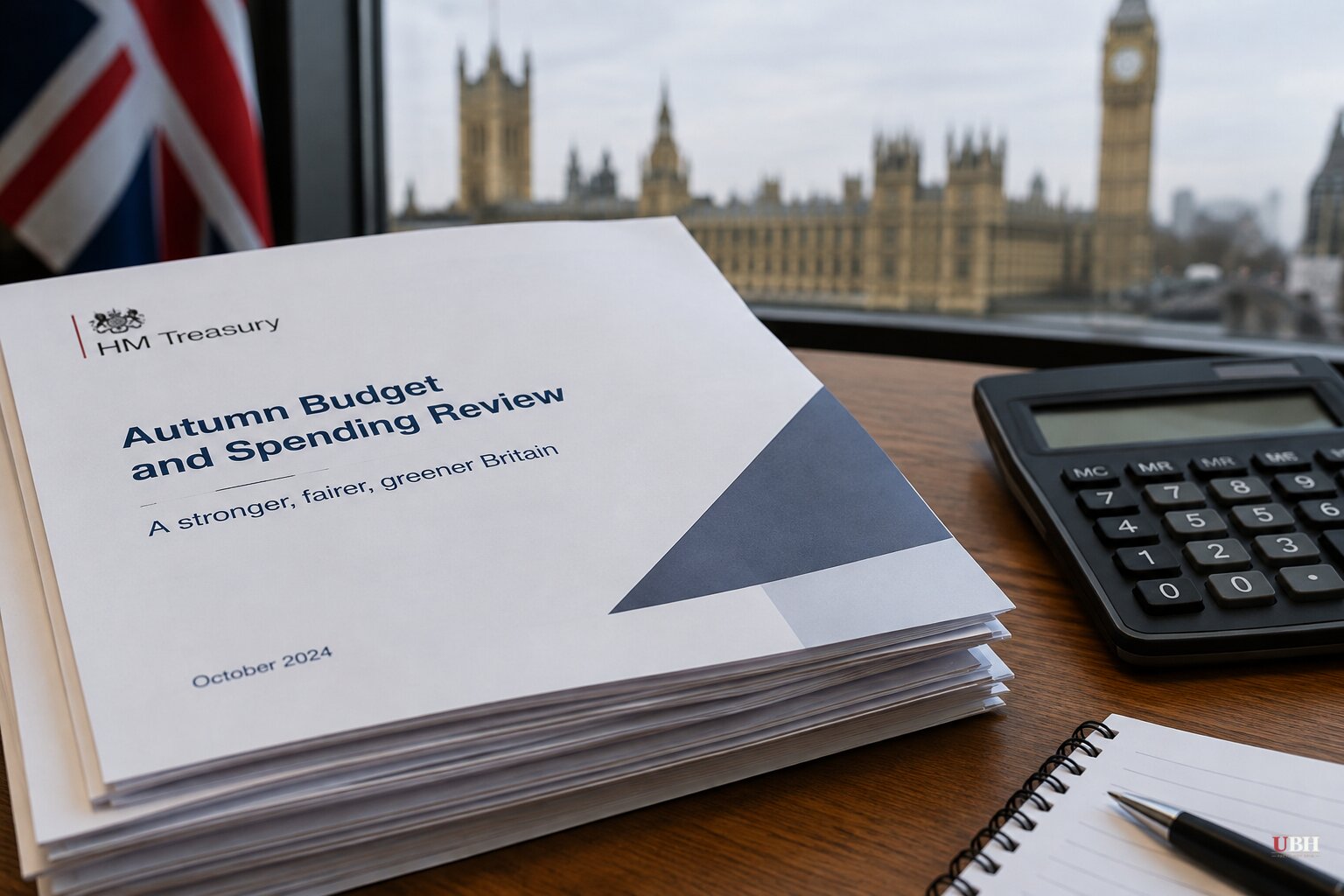
Since the Iran war pushed up UK borrowing costs and left Chancellor John Healey facing an Oct. 28 Budget with little room to move, the Institute for Fiscal Studies has set out how narrow his choices are.
Its verdict: no easy path exists.
"A 'steady-as-she-goes' Budget is not an option available to the chancellor," said IFS director Helen Miller. Keeping the tax and spending plans he inherited would let inflation "blow departments' spending plans off course," she said.
The £35bn question
The IFS says the bigger problem is not the shrinking cushion against the government's fiscal rules. It is what inflation does to departmental cash budgets. Higher inflation lifts tax receipts, but it also cuts what a fixed pot of cash buys.
Healey can accept real-terms cuts to public services. Or he can top up departments, which the IFS estimates could require tax rises or benefit cuts of around £35bn by the end of the decade.
The think tank also warned against a third route: pencilling in future cuts he has no plan to deliver. "Simply pencilling in implicit cuts that he has no intention of delivering would make the Budget a work of fiction," Miller said. If he avoids the choice, the IFS said, "his plan for meeting the fiscal rules will not be credible."
Miller added that Healey should set spending envelopes he would "genuinely" be prepared to live within. If he squeezes spending, she said, he should be open that some services face tough years.
Headroom: smaller, but not gone
The IFS, like other analysts, thinks recent bond-market turbulence and higher inflation will add about £10bn to forecast government borrowing costs in 2029-30.
Much of that would be offset because inflation pushes up tax revenues. The IFS still expects Healey to meet his rules, which require borrowing only for investment by 2029-30 and debt falling as a share of GDP. It puts the cushion at around £20bn, down from the £24bn forecast at the Spring Statement in March.
Not everyone is that relaxed. Matt Swannell, chief economic adviser to the ITEM Club, said the rise in gilt yields since the Office for Budget Responsibility's spring forecast has "halved" Healey's wiggle room, leaving just over £10bn against the primary fiscal rules.
The numbers going the wrong way
The public finances were already running behind forecast. The Office for National Statistics said Britain borrowed £18.3bn in August, against £15.5bn expected in a Reuters poll of economists.
Borrowing for April through August stands at £77.3bn. That is £2.2bn below the same point last year but £8.1bn above what the OBR expected. Borrowing for 2025/26 was revised up by £4.5bn to £134.3bn.
Gilt yields have climbed since the Iran war began pushing up global oil and gas prices. Reuters has tied that to the risk of a damaging inflation rise given Britain's reliance on imported energy.
What Healey can and cannot touch
Prime Minister Andy Burnham has ruled out raising the rates of income tax, VAT, corporation tax or social security contributions. That leaves capital gains, property and wealth taxes as the likely places to look for revenue.
Deputy finance minister Emma Reynolds said in September the government remained committed to meeting its fiscal rules with a "buffer against uncertainty."
Healey has framed the Budget as a continuation of discipline. "The consequences of conflict in the Middle East and Europe are hitting countries worldwide, leading to higher prices at the pumps and more expensive mortgages at home," he said. His Budget, he said, "will build on this approach with fiscal discipline helping to deliver economic resilience" and give people "breathing space."
The Treasury declined to comment on "rumour and speculation" about the Budget's contents.
Robert Wood, chief UK economist at Pantheon Macroeconomics, has pointed to another squeeze. The government will face significantly higher spending pressures if it tries to deliver its flagged priorities on housing investment and social care reform.
What comes next
Healey is due to meet finance ministers from around the world at the IMF meetings in Bangkok this week. City A.M. reports he will try to show allies that borrowing is under control, even as war-driven living costs prompt calls for more spending.
It is unclear whether he commits to spending levels and the taxes to fund them on Oct. 28, or sets out plans the IFS says investors may not find credible. Markets will see the answer when he delivers the Budget on Oct. 28.
Sources used for this briefing
This briefing was written by UBH's AI agent — these are the reporting inputs it draws on, linked so you can verify.


