
Unbiased headlines. Facts, not spin.
Unbiased Headlines is an independently owned news organization. We bring you the facts, not opinions, written fresh from 110+ named sources. Sources linked so you can verify it yourself.
 energy
Major Story (8/10)
IEA Puts Winter LNG Supply Drop at 9 to 20 Billion Cubic Metres, Depending on When Hormuz Reopens
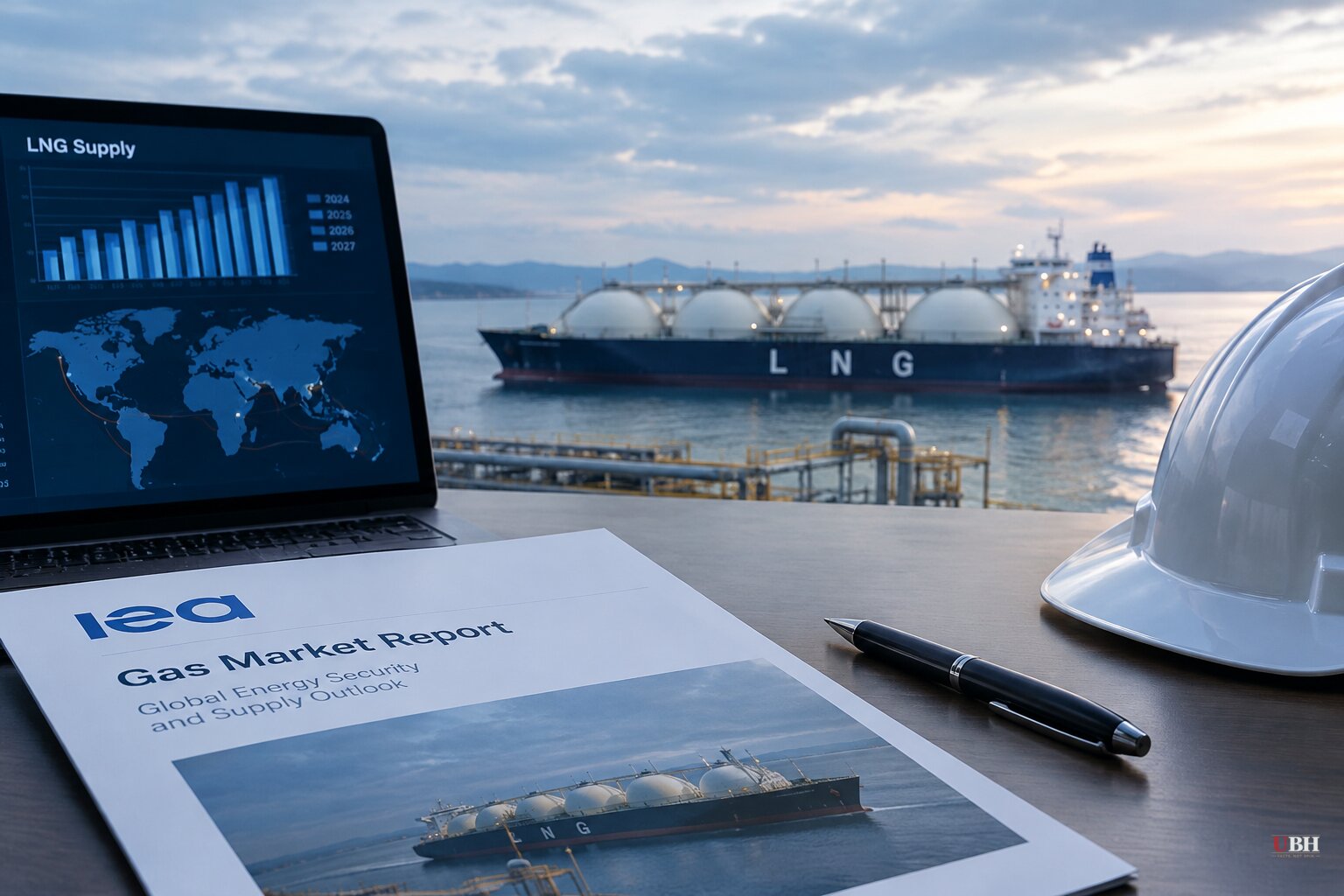
The International Energy Agency's winter-season breakdown puts numbers on what the Strait of Hormuz disruption means for the heating months ahead.
The headline figure: LNG loadings from Qatar and the United Arab Emirates fell by 60 billion cubic metres (bcm) year-on-year between March and October 2026. Global LNG output fell 5%, or 20 bcm, over the same period. The IEA says additional supplies from new projects only partly offset the reduced deliveries from the Persian Gulf.
Two scenarios for the winter
The IEA says the size of the winter shortfall depends on one thing: how fast shipping through Hormuz recovers. Transit was still severely restricted in late October.
The agency laid out two cases:
- If the strait begins progressively reopening in January 2027, global LNG supply falls by about 9 bcm, or 3%, year-on-year over the winter period.
- If it stays closed until the end of March 2027, the drop is about 20 bcm, or 7%.
More broadly, the IEA says global LNG supply could fall by 10 to 25 bcm year-on-year between November and March, depending on the pace of recovery.
In the agency's words, the disruption "creates unprecedented uncertainty for the global LNG market ahead of the 2026/27 winter." It also said the shock "looks set to keep imposing tighter market conditions during the northern hemisphere winter, even as supply from new liquefaction plants around the globe continues to grow."
What new capacity can and cannot do
North American exporters are expected to drive winter supply growth, with expanding projects in the United States, Canada and Mexico. New facilities in West Africa and Australia add more.
The IEA projects new LNG projects will add about 18 bcm this winter. Existing facilities could contribute another 3 bcm. That puts total incremental supply from outside the Persian Gulf at slightly over 20 bcm.
The agency's conclusion: "Despite the strong growth, this extra supply would remain insufficient to compensate for the lost volumes from Qatar and the United Arab Emirates."
Timing is part of the problem. New liquefaction capacity adds supply over a year, while a heating season is a few months long and demand peaks inside it.
Pipelines are not a backup
The IEA also says there is little room to make up the difference with pipeline gas. Long-distance pipelines generally run close to their designed capacity, so they cannot absorb much of the lost LNG volume.
That leaves seaborne LNG as the main source to fill the gap, and when a single chokepoint carries volumes this large, there is no easy substitute on short notice.
Added downside risks
The IEA also cautioned that unplanned outages and delays in ramping up production at new LNG projects could create additional downside risks to global supplies, particularly while the Middle East disruption continues.
What decides the outcome
The IEA's two scenarios are separated by about 11 bcm and a single variable: the date shipping through Hormuz resumes. The open question is whether the strait begins reopening in January or stays closed through March. The difference between a 3% and a 7% year-on-year drop in global LNG supply rides on the answer.
Sources used for this briefing
7 links from 6 independent newsrooms (syndicated copies of the same report count once)
These are the sources it draws on, linked so you can verify.


