
Unbiased headlines. Facts, not spin.
Unbiased Headlines is an independently owned news organization. We bring you the facts, not opinions, written fresh from 110+ named sources. Sources linked so you can verify it yourself.
 energy
Notable (5/10)
Chinese E-Bike Makers Look Abroad as Fuel Prices Stay High
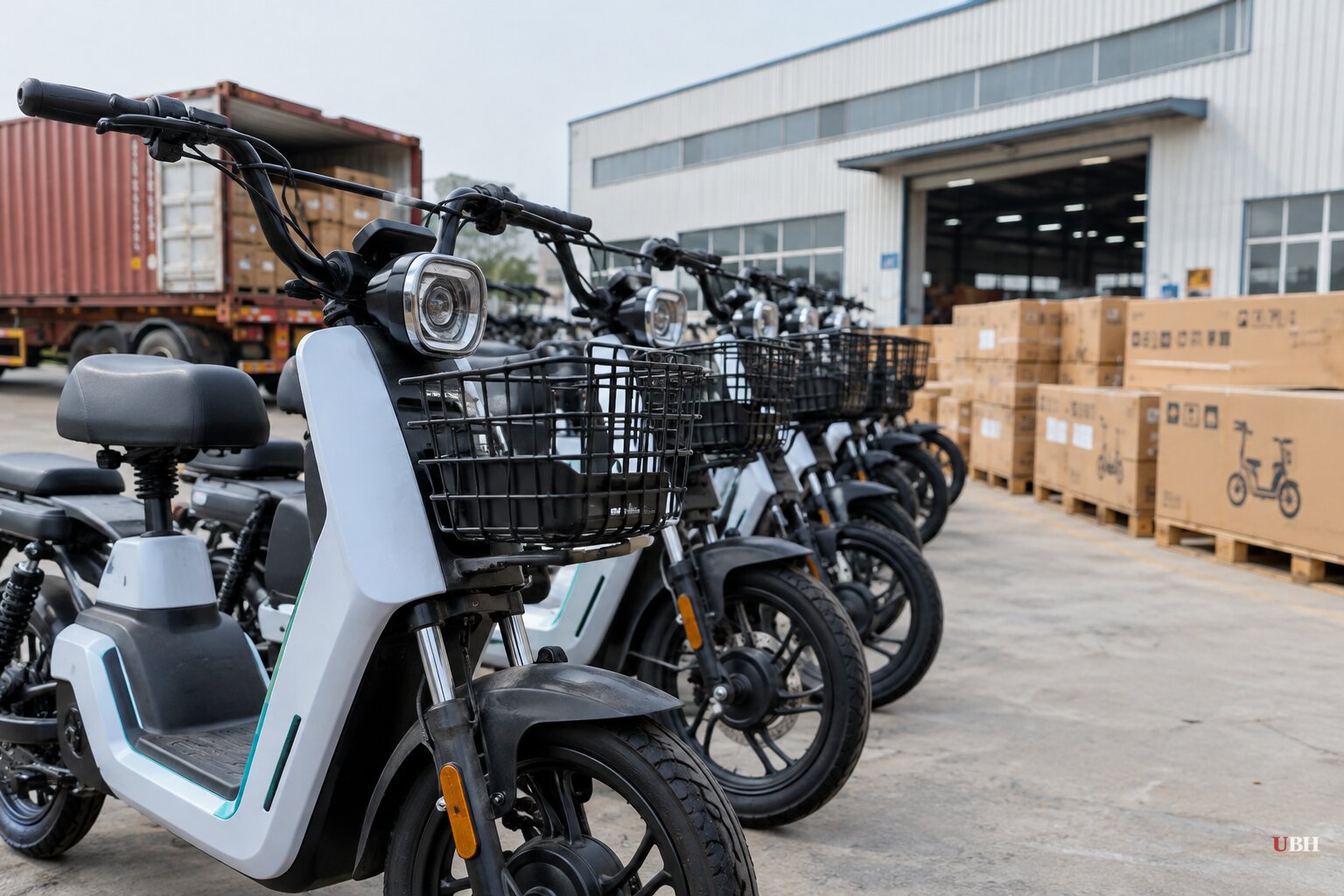
E-bikes have become an increasingly common way to get around in China. Manufacturers there are now looking to sell abroad, as fuel prices stay high and consumers look for electric alternatives, according to a Nov. 7 report from Al Jazeera's Katrina Yu in Beijing.
The pitch is simple. Gasoline costs money. A battery-powered bike that plugs into a wall costs less to run.
The report ties the overseas push to two things happening together: persistently high fuel prices and consumers shopping for electric options. Chinese makers are treating that demand as a reason to ship product beyond their home market.
Why the export push matters
China has done this before, at much larger scale. In cars, it has been the pattern for the past several years.
Garrett Nelson, an equity analyst at the Center for Financial Research and Analysis, put it this way: "The number one trend in the auto industry so far this decade is just the explosive growth in Chinese auto exports."
The cost to the competition is already on the books. Stellantis, Europe's second-largest automaker, reported write-downs of 22.2 billion euros ($24.9 billion) tied to its EV "reset" in the second half of 2025. Ford announced a $19.5 billion write-down, and General Motors followed in January with $6 billion.
Those charges came even as the market grew. Global EV sales rose 20 percent in 2025 to more than 20 million units, according to the International Energy Agency. Sales in Europe jumped 30 percent.
Europe's bet
European automakers poured money into electrification. Volkswagen alone committed $193 billion in 2023. That followed the European Union's 2023 mandate to eliminate tailpipe CO2 emissions from new vehicles starting in 2035, which was recently revised to a 90 percent cut.
Stellantis CEO Antonio Filosa said in a February statement that the charges "largely reflect the cost of overestimating the pace of the energy transition that distanced us from many car buyers' real-world needs, means and desires."
Jeff Degner, a research fellow at the American Institute for Economic Research, was blunter. "I think that European auto manufacturers are paying the price for paying more attention to what regulators want than what their customers are asking for," he said. He calls much of the spending "government-induced malinvestment."
That is one reading, and it comes from a free-market think tank. The other fact in the record is that Chinese rivals are taking market share and undercutting margins. Stephanie Valdez Streaty, a director of industry at Cox Automotive, said EV adoption "hasn't developed at the pace or with the economics many of those original commitments assumed," and that European automakers face a much more competitive market.
Cars are not bikes
An e-bike is not an EV. It is a far cheaper product with a different buyer, and no European regulator is mandating bicycle sales. The car losses show what happens when Chinese manufacturers scale up and look overseas. They do not show that e-bikes will follow the same path.
The Al Jazeera report describes manufacturers as looking to expand rather than announcing specific deals, markets or volumes. No company has been named in that report, and no export target has been published.
What to watch
The open questions are concrete. Which countries Chinese e-bike brands pick first, at what price, and whether any government answers with tariffs or product rules will decide whether this is a niche story or another trade fight. Fuel prices staying high is the condition the manufacturers are betting on.
Sources used for this briefing
7 links from 6 independent newsrooms (syndicated copies of the same report count once)
These are the sources it draws on, linked so you can verify.


