
Unbiased headlines. Facts, not spin.
Unbiased Headlines is an independently owned news organization. We bring you the facts, not opinions, written fresh from 110+ named sources. Sources linked so you can verify it yourself.
 energy
Major Story (7/10)
Voters Pass More Than Three Dozen Local Data Center Limits in Nov. 3 Elections, Consulting Firm Counts
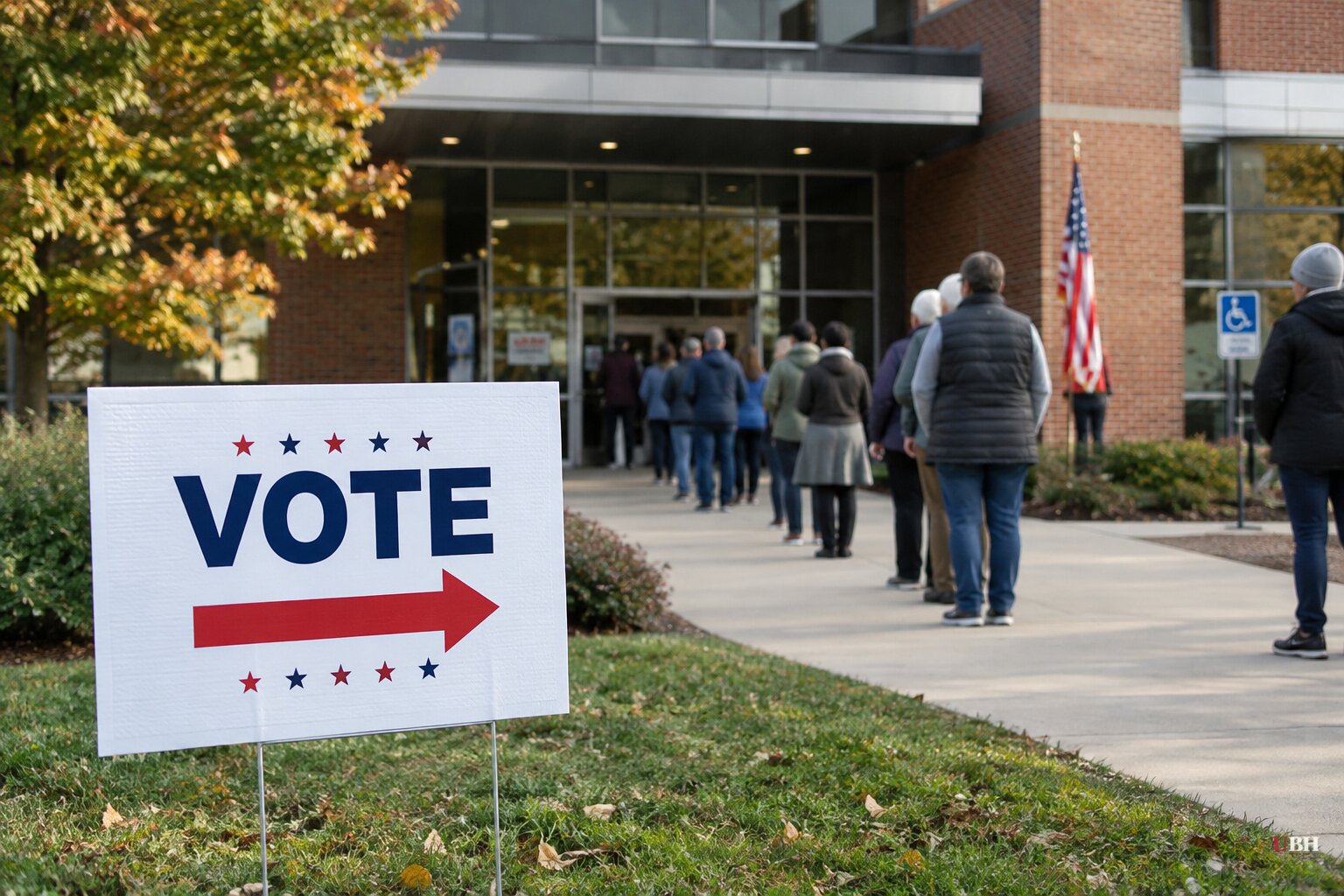
Voters in small towns across the country told data center developers no on Tuesday, Nov. 3.
More than three dozen local measures that tightened data center rules had passed as of this week, according to Redbud Consulting. Ballots are still being counted in places, so that tally can change. The new measures add to restrictions already in place in nearly 600 jurisdictions, according to Electric Choice. Other counts put the number of local moratoriums nearer 500, and estimates vary.
Piqua, Ohio: a Meta project in doubt
In Piqua, voters approved a ban on data centers with a capacity above 25 megawatts. That threshold effectively rules out any large-scale project. About two-thirds of voters backed it.
The ban jeopardizes a Meta data center worth more than $1 billion. The project had already been approved.
"Democrat, Republican, that didn't matter," said Alisha Lange, a 42-year-old farmer and one of the leaders of the grassroots group Save Piqua. "People want their town back."
Lange pointed to the small number of jobs data centers tend to create once they are built. "We're just a little farm town, and we would much rather just have a cornfield or have some sort of industry that provides an income to a larger amount of people," she said.
Kansas and Wisconsin
In Ottawa, Kansas, a town near Kansas City, residents overwhelmingly approved a ban on large data centers. Michael Lewis of the group Ottawa United backed it. Lewis ran for Congress this cycle as a Democrat and lost to the Republican incumbent on Tuesday.
"We're not for sale," Lewis said. "You can dangle some money in our face, it doesn't mean we're going to give away our resources and deal with the environmental issues that stem from data centers."
In Janesville, Wisconsin, a majority of city council members were initially open to a proposal from developer Viridian. The company was ready to put $8 billion into a data center on a former General Motors site that closed in 2008.
Cathy Erdman of Janesville for Responsible Development said residents now weigh more than job counts and investment totals. "There is a much broader range of indicators that indicates a good project or a bad one," she said. Local tax streams, infrastructure, quality of life and competing land uses can matter as much, she said.
Meta is not alone in spending heavily. Google, Microsoft and Amazon are also investing billions in data centers to meet demand for their AI products.
Landover, Maryland: a $5 billion campus blocked
The backlash has also produced first-time activists. One is Taylor Frazier McCollum of Prince George's County, Maryland.
The site is nearly 90 acres of empty land in Landover where Landover Mall stood until it closed in 2002. In 2024, the developer that built the mall won approval from county planners for a $5 billion data center campus. The area is largely Black.
Frazier McCollum lived less than a mile away. "Why would you want to bring water-polluting, diesel-generating data centers right down the street from where people live, work, play?" she said. "It just didn't make sense to me."
She does not own a home. In 2024, she and her young daughter were evicted from their apartment after the waxing center where she worked cut wages and she could no longer cover rent. They were staying at her grandfather's house when she learned of the project.
She started a petition that gathered more than 25,000 signatures. It led to widely attended protests and multiple local moratoriums on data centers across the county. The $5 billion project had been set to break ground between 2026 and 2027, and the moratoriums blocked it.
She went on to testify before Maryland legislators and endorse candidates. Her coalition included socialists, environmentalists, residents angry about electric bills, and neighbors new to organizing. Staci Hartwell, a longtime local environmental activist, said she had struggled for years to get traction on the issue before Frazier McCollum came along.
The revenue question
The county that blocked the project has money problems. Prince George's County faces a budget deficit. A local Six Flags closed last year, the NFL's Washington Commanders announced plans to return to Washington, D.C., and thousands of federal workers have lost their jobs.
For local officials, data centers were supposed to help stem that decline, according to WAMU's reporting. Some in the county worry about falling tax revenue now that data centers are paused.
That is the tradeoff the opponents are choosing, and the ballot results show many voters are choosing it knowingly. In Piqua, the open question is whether Meta's already-approved project can go forward under the new 25-megawatt cap. In Prince George's County, the deficit remains, and the moratoriums have removed the revenue source officials had counted on.
Sources used for this briefing
7 links from 3 independent newsrooms (syndicated copies of the same report count once)
These are the sources it draws on, linked so you can verify.


