
Unbiased headlines. Facts, not spin.
Unbiased Headlines is an independently owned news organization. We bring you the facts, not opinions, written fresh from 110+ named sources. Sources linked so you can verify it yourself.
 energy
Notable (5/10)
Blackstone's 'Energy Transition' Fund Raised $8.7 Billion This Year While Holding Gas and Data Center Bets
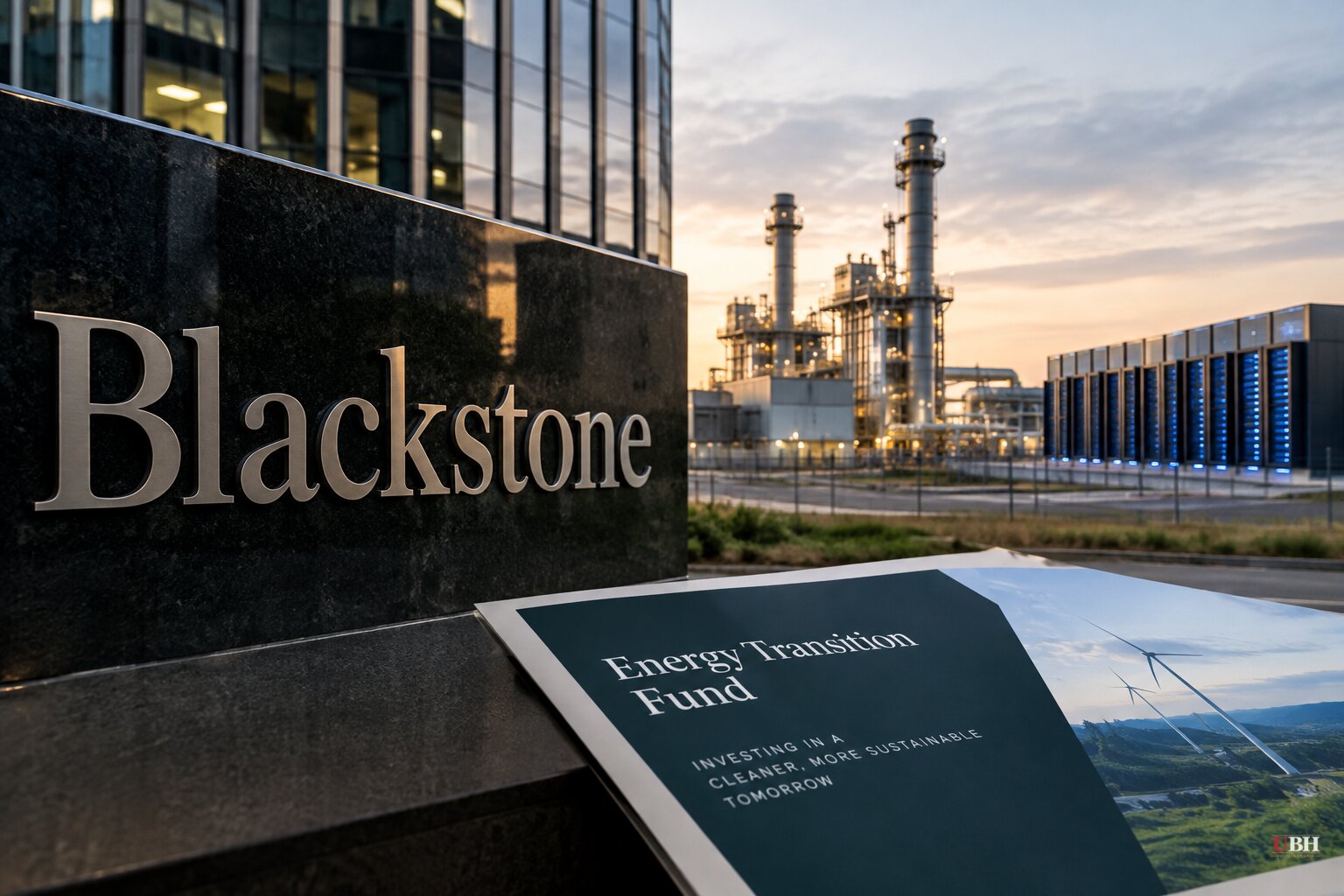
Blackstone, one of the world's largest private equity firms, announced in mid-October that its energy transition fund raised $8.7 billion in investor money this year. The fund reportedly turned away another $3 billion to stay under its cap, according to Grist.
The firm renamed the fund to include "energy transition" in 2022. It had stopped investing in oil and gas production five years earlier.
But on Wall Street, that phrase does not mean only wind and solar. Some transition funds, Blackstone's included, see profit in natural gas, data centers and rising electricity costs.
The money
Private equity "transition funds" raised $178 billion between 2021 and the start of 2026. That is triple what comparable funds dedicated to fossil fuels and general energy raised, according to research by Ryan Loughead, a senior associate and former climate solutions analyst at BloombergNEF.
The money kept flowing while other climate investing dried up. Climate-related venture capital is on track for its worst year of the decade, Grist reported.
The policy backdrop shifted too. Republicans in Congress repealed most of the Biden administration's signature climate law last year. Meanwhile, the tech industry's data center buildout is driving surging demand for electricity.
OilPrice.com energy journalist Haley Zaremba points to specific gas-fired projects tied to that demand. They include Amazon in Texas, Nvidia and SoftBank in Ohio, and Microsoft with Chevron.
What the label covers
"'Energy transition' is a flexible term," said Dan Cohn, an energy finance analyst at the Institute for Energy Economics and Financial Analysis. He said he is unsurprised to find gas, electrical equipment and data center companies in some of these funds. "That is perfectly consistent with how I know some investors think about the energy transition," Cohn said.
Loughead said the same of the investors he tracks. "I know a lot of the investors out there do consider gas a transition fuel," he said.
That is the industry's long-standing argument. Gas is a stepping stone away from coal and oil, and Grist reports Blackstone itself treats gas as part of the transition.
The dispute over gas
Environmental experts and scientists reject the bridge-fuel framing. Zaremba writes that methane, the main component of natural gas, is about 80 times more potent than carbon dioxide at warming over a 20-year period, though it breaks down faster in the atmosphere.
She also cites peer-reviewed studies suggesting gas produces far more methane over its life cycle than previously thought. Some studies, she writes, indicate liquefied natural gas could be worse for the climate than coal once cooling, storage and shipping emissions are counted. Those are the critics' claims, and the industry's "bridge fuel" position is the direct counter to them.
The argument over climate math is separate from the argument over labels. Natural gas is a legal, widely used fuel that heats homes and keeps the grid running. Data centers need power around the clock, and wind and solar alone do not supply that.
The narrower question is what a fund calls itself when it sells shares to investors.
Who is buying
Private equity funds typically take money only from large institutions such as pension funds, or from very wealthy individuals. Grist notes the industry has faced criticism for putting returns ahead of workers and the environment.
Those investors buy existing companies, push up their profits and sell them. If a fund's holdings lean toward gas pipelines, power equipment and data centers, those are the assets driving returns.
No charge or regulatory action over the labeling has been reported. Cohn's description is the plainest summary of where things stand: the term bends to whoever is using it.
What comes next
The United Nations' 31st annual climate conference, COP31, is scheduled for next week in Antalya, Türkiye. Zaremba frames the timing as a test of greenwashing in the private sector. Whether the "energy transition" label gets a firmer definition, or stays as flexible as Cohn describes it, remains unresolved.
Sources used for this briefing
6 links from 3 independent newsrooms (syndicated copies of the same report count once)
These are the sources it draws on, linked so you can verify.


