
Unbiased headlines. Facts, not spin.
Unbiased Headlines is an independently owned news organization. We bring you the facts, not opinions, written fresh from 110+ named sources. Sources linked so you can verify it yourself.
 energy
Notable (6/10)
UAE Energy Official Says Oil Exports Never Stopped During Iran War, Pledges Steady Supply to Europe
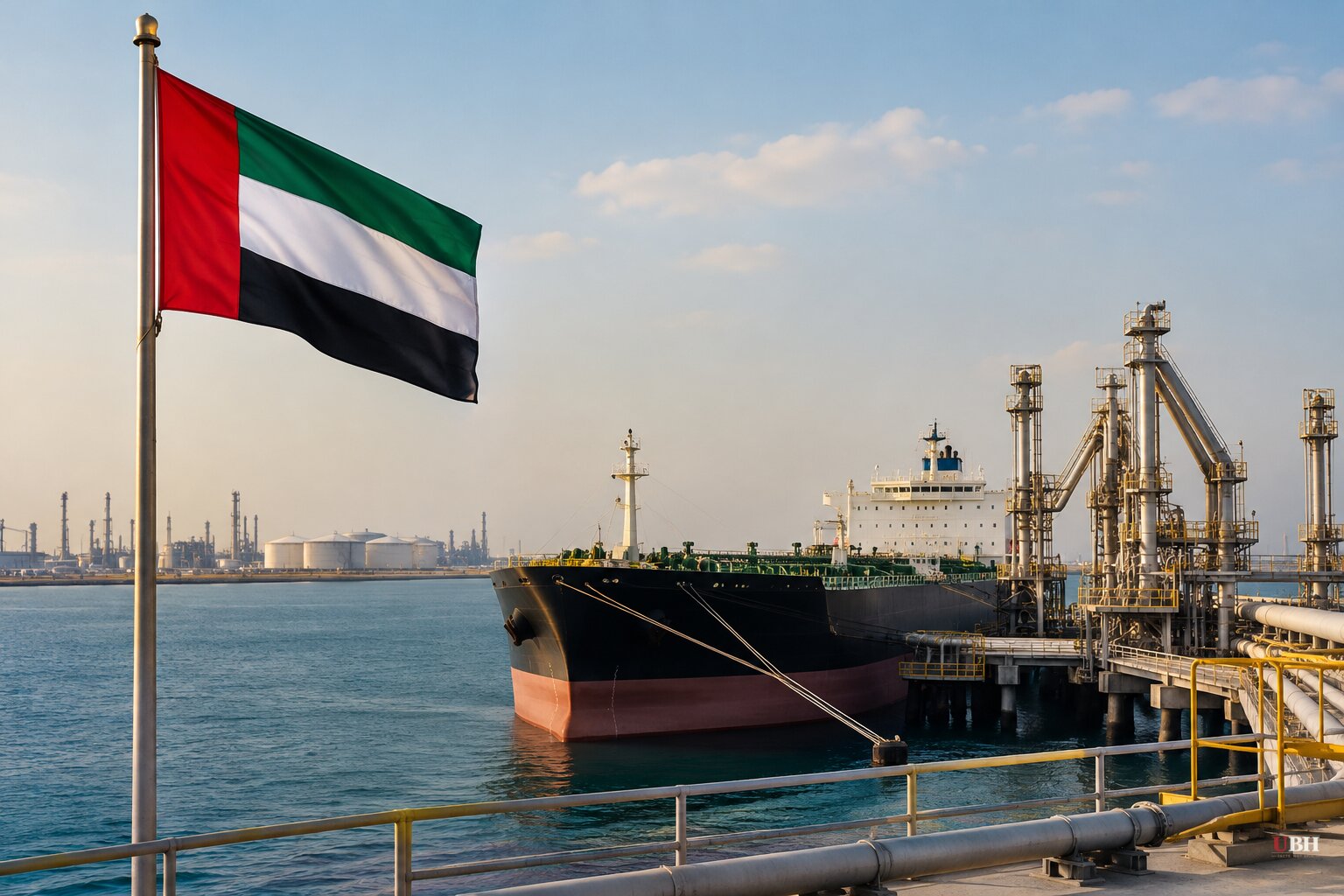
The UAE says its oil kept flowing through the worst of the US-Iran war, and it wants Europe to know it.
Sharif Al Olama, the UAE's Undersecretary of Energy and Petroleum Affairs, made the case in an interview with Euronews at ADIPEC in Abu Dhabi, published Saturday, Nov. 7. "I'm glad to say that we have proven ourselves during this crisis," he said.
What Al Olama claimed
Al Olama did not dress up the situation. "This is not a big secret. We are going through a crisis. The first few months were very difficult."
He credited a long-standing decision to spread the UAE's energy mix across nuclear, renewables and fossil fuels, with hydrogen and other future fuels still in development. That diversification, he said, kept systems running and services uninterrupted for the entire period.
On exports, he was direct: "In the case of our oil exports, it has continued during the crisis." He pointed to investment in diversified export routes and said further improvement is expected "as time goes by."
He did not give export volumes in the interview. The claim comes from a senior official of the exporting government, which has an obvious interest in presenting its supply as dependable.
Lessons going into the hardware
Al Olama said the crisis is already changing how the UAE builds. "We have learned a lot from the current crisis when it comes to the design of our facilities, when it comes the capacities that we are building, when it come to the redundancy in the systems itself."
He put the country's solar capacity at about 8.2 gigawatts, with plans to reach 20 gigawatts and beyond. He said the UAE is getting "some of the cheapest kilowatt-hours that renewable energies can produce in the world."
On AI data centres, he called the demand surge a global planning problem, Europe included. The UAE's approach starts with efficiency, he said, citing cases where AI tools cut power use at some data centres by 40 percent. Expansion, cooling and use of existing infrastructure come after that.
He described the UAE-Europe relationship as a two-way exchange and said the UAE is examining energy-efficiency and climate-neutrality ratings for data centres while sharing practices with European governments.
Business deals match the message
The corporate side is moving in the same direction. Abu Dhabi's Masdar and Spanish utility Endesa have started construction on three battery storage projects in Spain, at Ardila, La Vega I and La Vega II in Extremadura and Andalusia. Masdar said in a statement that total investment is €25.2 million ($28.3 million).
The projects add 60.16 megawatts of storage capacity and 120.34 megawatt-hours to existing solar plants, and will create 50 jobs. Masdar operates 4.1 gigawatts across the Iberian Peninsula, with about 1 gigawatt under development, and targets a 100-gigawatt global portfolio by 2030.
"Spain is one of Europe's fastest-growing major economies and this growth requires secure, resilient power," said Ibraheem Almansouri, Masdar's acting chief operating officer.
At home, ADNOC Gas signed an agreement on Wednesday, Nov. 4, with Etihad Water and Electricity to explore natural gas supply for new power generation across the Northern Emirates. ADNOC Gas CEO Fatema Al Nuaimi said the company is "investing to meet the UAE's growing energy needs."
ADNOC Gas says it already supplies about 60% of the UAE's sales gas and serves customers in more than 20 countries. Its Estidama project would extend its pipeline network from roughly 3,200 kilometres to more than 3,500.
The mood in the hallways
The official message was calm. The corridor conversation was not. According to Euronews's own reporting from the conference, talk among senior officials from around the world was dominated by the threat of renewed military strikes in the region amid the ongoing US-Iran war. Many, it said, had resigned themselves to the strikes being inevitable while still hoping diplomacy could find a way forward.
Prices reflect the strain. Brent crude futures were last quoted at $98.32 a barrel and WTI at $90.83 on OilPrice.com's market board. Murban, the UAE's flagship grade, was quoted at $99.17 in physical trading.
What comes next
Al Olama's message to Europe was reliability and partnership. The test is whether tanker traffic and export routes hold if strikes resume. Neither he nor the UAE government has said what volumes the diversified routes can carry in that case.
The redundancy he says is now being built into new facilities will take years to come online. The renewed-strike risk that delegates were discussing at ADIPEC is a present concern.
Sources used for this briefing
7 links from 7 independent newsrooms (syndicated copies of the same report count once)
These are the sources it draws on, linked so you can verify.


