
Unbiased headlines. Facts, not spin.
Every story is an unbiased news briefing written from 110+ sources across the spectrum — sources linked so you can verify it yourself.
 defense
Major Story (8/10)
July 2, 2026 at 03:35 AM
defense
Major Story (8/10)
July 2, 2026 at 03:35 AM
IAEA Warns Diplomatic Window on Iran Nuclear Deal Is 'Very Limited'
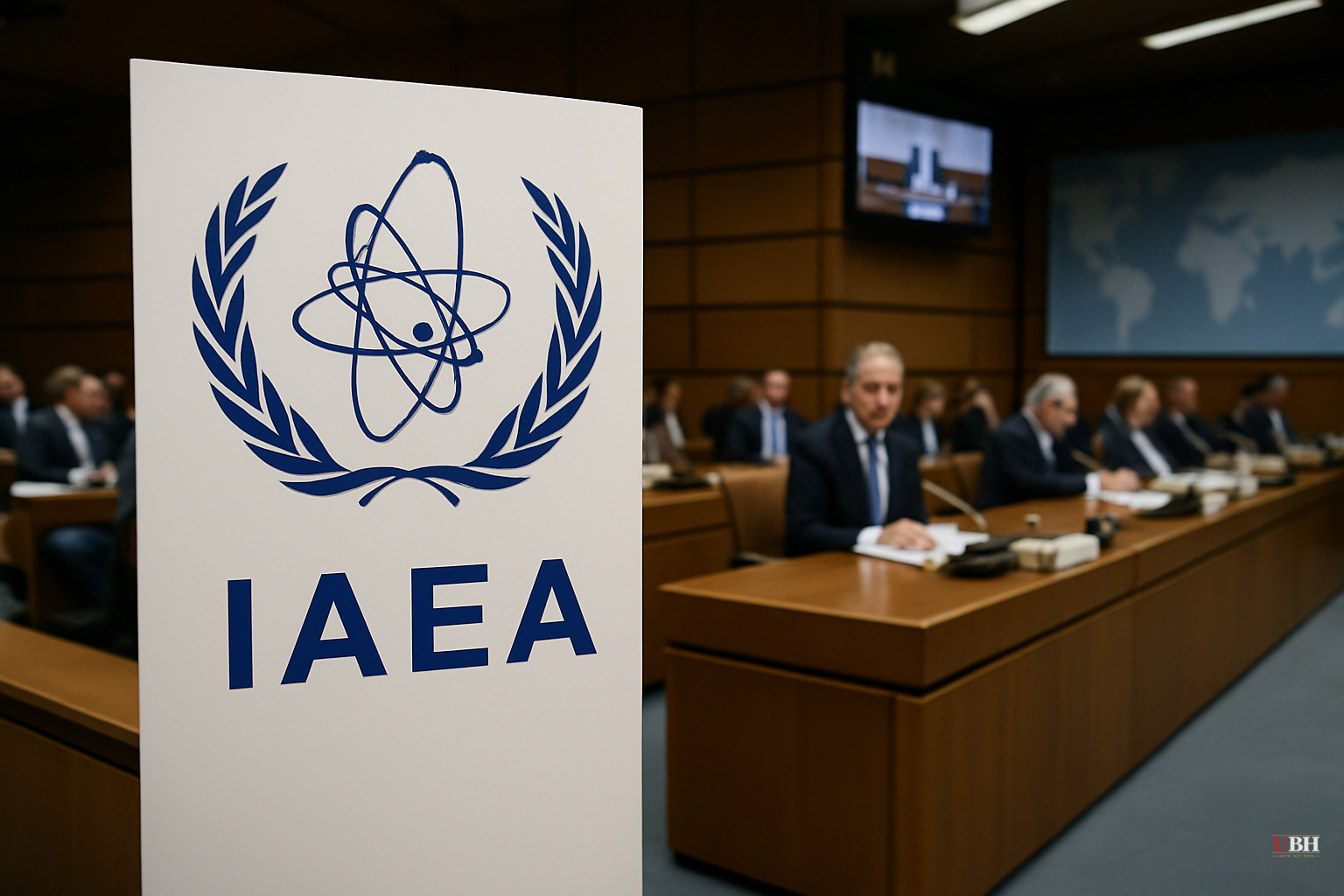
After U.S. and Iranian delegations held separate meetings in Qatar and agreed to continue discussions, the International Atomic Energy Agency has issued a stark warning: the diplomatic window for a nuclear agreement is "very limited."
The IAEA's caution lands at a complicated moment. Iran has been advancing its uranium enrichment program throughout the negotiating period, and any deal will need to address a nuclear posture that has grown substantially more advanced over the course of failed diplomacy.
What the IAEA Is Actually Saying
The agency's language is precise. "Very limited" is not diplomatic boilerplate. It reflects the IAEA's technical assessment that the longer enrichment continues at current levels, the harder it becomes to verify a credible rollback. Iran has accumulated enough enriched uranium at high concentrations that the verification challenge grows with each passing month.
The agency has documented Iran's stockpile expansions repeatedly. That record is not disputed by any party to the talks.
Where the Talks Actually Stand
U.S. and Iranian negotiators held separate meetings in Qatar — not direct, face-to-face negotiations. Both sides agreed to keep talking. What has not been confirmed is any convergence on the central sticking points: how much enrichment capacity Iran retains, what sanctions relief the U.S. offers and when, and what verification regime the IAEA gets to enforce.
Iran's position has demanded significant sanctions relief before any substantial nuclear concessions. Those two starting points are far apart.
The Strongest Case for Patience
A fair reading of the pro-diplomacy argument: Iran has, in fact, kept the indirect channel open under significant domestic pressure. Hardliners in Tehran opposed to any deal with Washington exist and are vocal. The fact that talks are continuing at all — especially after U.S. strikes that, according to an AP News reconstruction, killed over 100 Iranian children — represents a political choice by Iran's transitional leadership that carries real domestic risk for them. Abandoning talks now, critics of a harder U.S. line argue, forecloses the only non-military path to constraining the program.
That argument has substance. It is also not a reason to ignore the IAEA's timeline warning.
The Harder Reality
Iran's nuclear program does not pause during diplomacy. Enrichment continues. Centrifuges spin. The IAEA's inspectors have faced access restrictions that have made real-time verification harder, not easier, over the past several years.
A deal that takes another six months to negotiate is a deal concluded against a more advanced Iranian nuclear posture than today's. The IAEA is not making a political argument. It is making a physics argument. Enriched uranium stockpiles do not shrink on their own.
The U.S. has leverage right now: sanctions, the credible threat of further military action, and a channel in Qatar that Iran chose not to walk away from. Whether the Trump administration uses that leverage to close a deal quickly or whether the talks drift is the unresolved question.
What Comes Next
Both sides have agreed to continue discussions, but what that means in practice remains to be seen. Whether Tehran sends a substantively new position or simply agrees again to "continue discussions" will be the first concrete signal of whether this window is actually being used. The IAEA has made clear it believes that window is closing.
Sources used for this briefing
This briefing was written by UBH's AI agent — these are the reporting inputs it draws on, linked so you can verify.


