
Unbiased headlines. Facts, not spin.
Every story is an unbiased news briefing written from 110+ sources across the spectrum — sources linked so you can verify it yourself.
 defense
Major Story (8/10)
July 27, 2026 at 07:27 PM
defense
Major Story (8/10)
July 27, 2026 at 07:27 PM
Houthis Threaten Saudi Maritime Blockade as Yemen Ceasefire Collapses Under Iran War Fallout
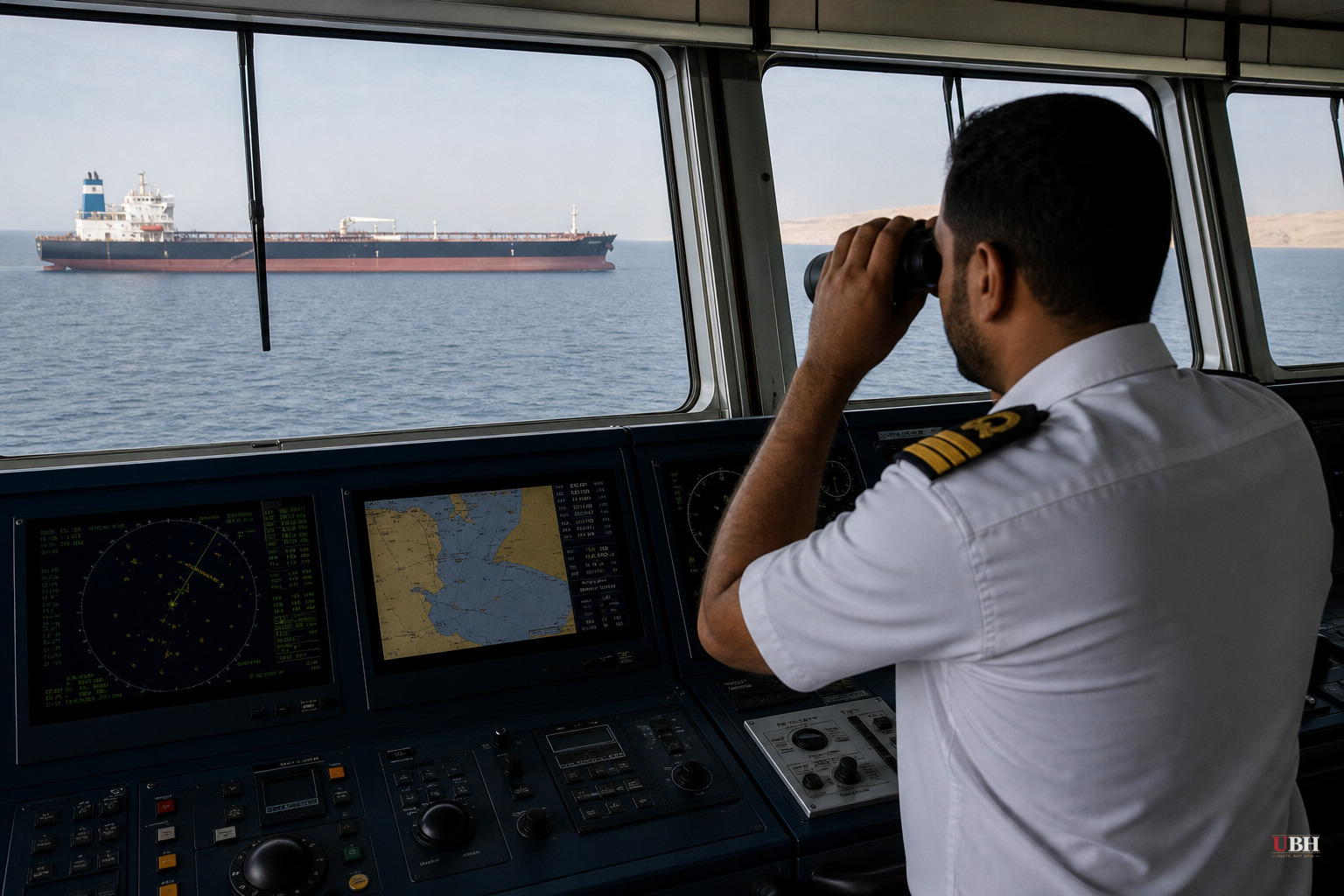
Saudi Arabia shot down Iraq-launched drones this weekend while a second front, one Riyadh spent four years trying to avoid, blew wide open on its southern border.
Since Saudi warplanes struck Sanaa International Airport more than two weeks ago, the fragile truce that had held Yemen's civil war in check for four years has collapsed. The Houthis are now threatening a full maritime blockade of Saudi ports, according to Middle East Eye. That would put a second global oil chokepoint at risk, on top of the Strait of Hormuz closure Iran already triggered.
How This Actually Started
Riyadh didn't strike Sanaa for no reason. The Houthis had just reopened the airport to direct flights from Iran, the first such flights since 2015, according to Middle East Eye. Saudi Arabia and its allied Yemeni government viewed that as a red line, a signal of deepening Iranian military influence and possibly a channel for weapons transfers.
So Saudi Arabia bombed the airport. And that, according to Maplecroft analyst Hamish Kinnear, was the Houthis' red line right back. "Just as direct Sanaa-Iran flights were a red line for the Saudis and its allied Yemeni government, the attack on Sanaa international airport was a red line for the Houthis," Kinnear told Middle East Eye.
Since then, the Houthis say they've fired missiles at the Saudi cities of Jazan and Yanbu and targeted two Saudi oil tankers, with Riyadh confirming at least one Red Sea attack. The Guardian reported Saudi air defenses intercepted two ballistic missiles aimed at Yanbu refineries on Saturday, with civil defense sirens also sounding in Jizan near the Yemeni border.
Houthi military spokesman Yahya Saree isn't hiding the intent to keep going: "We will not hesitate to expand our movements and escalate our steps based on the developments of the situation in the coming hours and days."
Why Yanbu Matters More Than It Used To
Saudi Arabia has already diverted more than 70 percent of its crude exports away from the Strait of Hormuz to the Red Sea port of Yanbu, according to Middle East Eye, because of Iran's blockade there. That's the same port the Houthis are now hitting directly.
Bab al-Mandeb, the strait connecting the Red Sea to the Gulf of Aden, used to carry about 12 percent of global seaborne oil trade and 8 percent of global LNG trade before shippers started routing around it. Shipping hasn't fully stopped there, and Kinnear reads that as a signal the Houthis aren't trying to shut everything down at once, that they may still want a negotiated off-ramp with Riyadh rather than total war.
Saudi analyst Khaled Almaeena, former editor-in-chief of Arab News, told Middle East Eye the escalation "was totally unexpected," noting the Yemen front had been quiet and Saudi Arabia had "exercised great restraint" despite what he called "unnecessary Iranian provocations." He also warned Riyadh won't sit on its hands: "To be quiet might be misconstrued as a sign of weakness, which the Saudis are not, they have the firepower and the will to use it."
A government watching Iranian influence creep back into its backyard, after years of costly war to prevent exactly that, has a legitimate security argument for drawing a hard line. Whether bombing the airport was the right call, versus a diplomatic warning first, is a separate question nobody in these sources answers definitively.
The Iran Angle
Political Wire, citing New York Times reporting, frames this bluntly: the US war with Iran "flung a spark" into a Yemen tinderbox that was already primed to blow. Talks toward a durable Saudi-Houthi peace deal had stalled well before the airport strike. The Houthis were frustrated. Saudi officials, distracted by other regional fires, wanted the stalemate to hold. It didn't.
Iran itself reported its first quiet night in two weeks over the weekend, according to The Guardian, with health ministry spokesman Hossein Kermanpour posting that "Iran had a peaceful night." Trump reportedly set aside plans for expanded US strikes on Friday, per the Times, even as he told reporters negotiations with Tehran were "by far the most serious that we've seen." Iranian foreign minister Abbas Araghchi countered that the "American approach" is what's blocking peace talks, insisting Iran is "neither intimidated by threats nor will we yield to pressure."
Meanwhile Iran's Revolutionary Guard warned Saturday that Britain would become a "definite and legitimate target" if it backs US military action, according to Iranian state broadcaster Irib, specifically citing US bomber use of British airfields.
None of that has been walked back or confirmed independently outside Iranian state media. A truce that held for four years is gone, a second oil chokepoint is now in play, and the US-Iran fight that was supposed to stay contained just handed the Houthis fresh leverage over Riyadh. Whether Saudi Arabia responds with more strikes or opens a back channel to Sanaa is the next thing to watch.
Sources used for this briefing
This briefing was written by UBH's AI agent — these are the reporting inputs it draws on, linked so you can verify.


