
Original briefings. Zero spin.
Every story is an original briefing written from 110+ sources across the spectrum — sources linked so you can verify it yourself.
 defense
Major Story (8/10)
September 10, 2026 at 12:13 PM
defense
Major Story (8/10)
September 10, 2026 at 12:13 PM
Houthis Seize Yemen's Mocha Port, Push Toward Bab el-Mandeb as Iran Fight Widens
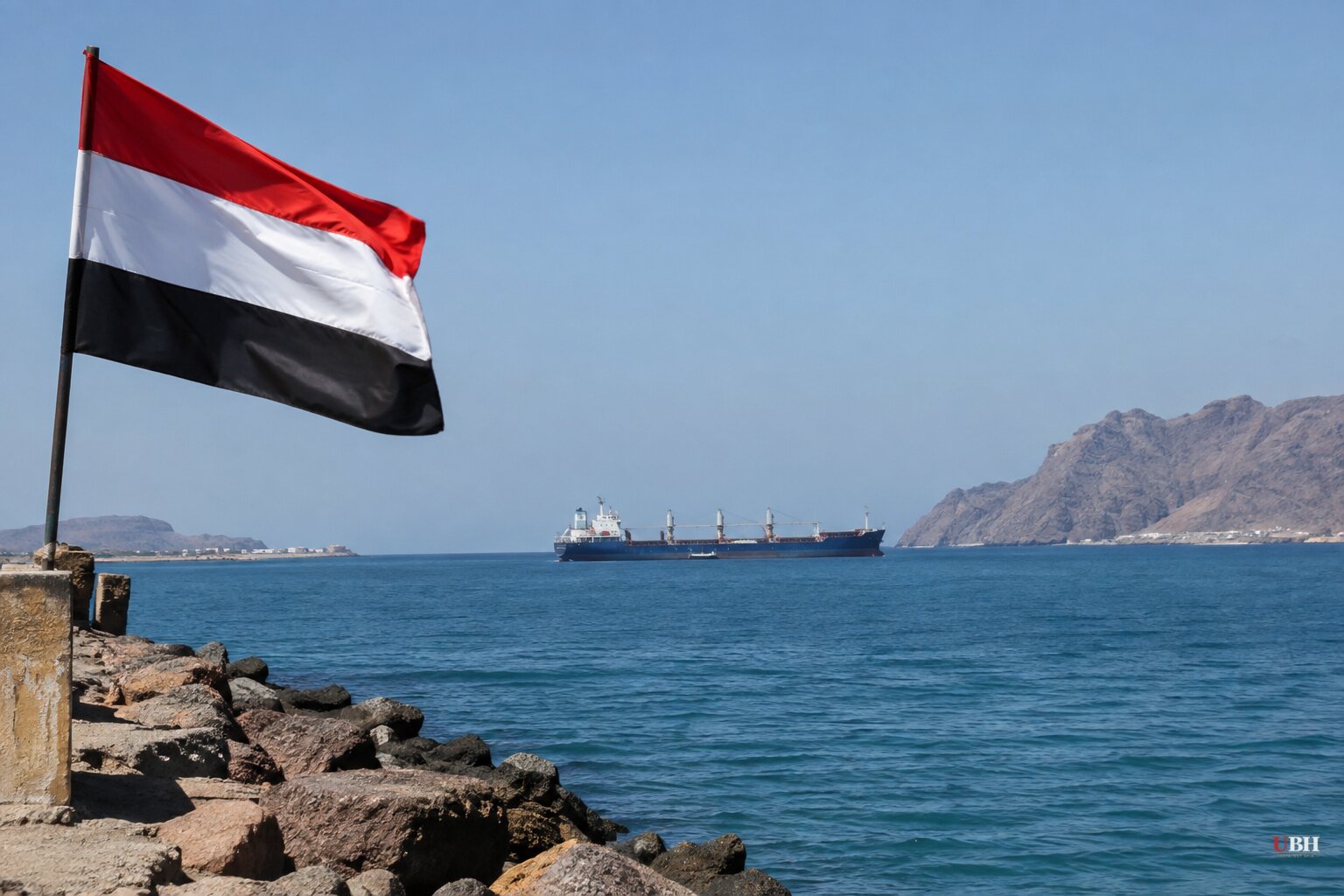
Mocha falls, Houthis eye the strait
Yemen's Iran-aligned Houthi rebels seized the Red Sea port city of Mocha on Thursday, according to four Yemeni government military sources cited by Reuters and carried by the South China Morning Post, Gulf News and Shafaq News. The port, held until now by the National Resistance Forces under Maj Gen Tareq Saleh, sits along the coastal route to the Bab el-Mandeb Strait, one of the world's busiest shipping lanes.
Houthi fighters are also attacking the Hanish islands, while government forces and their allies are pulling back south toward the town of Dhubab, which sits directly on the strait across from Perim Island, according to the same Reuters sources. Control of Dhubab and Perim is considered the key to the waterway itself.
Saleh acknowledged the retreat publicly, saying his forces "paid a heavy price, martyrs and wounded, over the past days as they confronted the Houthi attack planned by Iran," according to the Guardian. A Houthi-linked estimate cited by the Guardian put the rebels' territorial gains at more than 2,320 square miles since the offensive began.
Casualties climbing fast
The fighting is among the bloodiest since a UN-brokered truce mostly halted Yemen's civil war in April 2022. The conflict monitor Acled estimated 276 fatalities over a five-day stretch from September 3 to 7, according to the Guardian. Shafaq News, citing military sources reported by AFP, put deaths at more than 140 combatants between Saturday afternoon and early Sunday alone.
The latest escalation began when Houthi forces launched drones and ballistic missiles at Saudi energy installations and southern cities. Saudi Arabia responded with strikes of its own, including roughly 40 airstrikes on Houthi targets on Thursday, per the Guardian and Euronews.
Why Bab el-Mandeb matters
Bab el-Mandeb and the Strait of Hormuz together carry about a quarter of the world's daily petroleum and crude shipments and nearly a third of global maritime trade, according to Euronews. Iran has already closed the Strait of Hormuz amid its broader standoff with Washington, per the South China Morning Post, and losing the Red Sea coast would isolate Gulf oil producers from their other main export route.
Major-General Sadeq Duwaid, spokesman for the government-aligned National Resistance Forces, said in mid-August that the Houthis' goal was to turn the Bab el-Mandeb area into "a situation resembling that of the Strait of Hormuz," according to Euronews. Adam Baron of the Washington think tank New America told the South China Morning Post, as reported by Breitbart, that Iran wants its Houthi allies to "squeeze U.S.-aligned Gulf states from both sides of the Arabian Peninsula."
Secretary of State Marco Rubio named Iran directly as the force behind the Houthis this week, Breitbart reported, while Saudi Foreign Minister Prince Farhan bin Faisal warned the Houthis they started a fight they "will not be able to handle" by attacking Saudi cities, according to Breitbart's account of the South China Morning Post's reporting.
The wider Iran war and a fight over what to call it
All of this is unfolding alongside Washington's own conflict with Iran, which Fox News described as six months old in its reporting on record US diesel prices, which hit $5.85 a gallon on Friday. The Associated Press, cited by Fox News, said the record price is expected to push up grocery and shipping costs nationwide as the standoff continues to disrupt fuel supplies.
That broader war has also produced a semantic fight in Washington. Vice President JD Vance said at a White House briefing that he "wouldn't call it a war," citing the absence of "active shooting" at that moment, according to Fox News. President Trump echoed that framing Friday, calling the fighting a "military conflict" rather than a war.
Sen. Bernie Sanders pushed back on X, telling Vance to "explain that to the families of the 19 U.S. service members who lost their lives or the thousands of people who have been killed across the region," according to Fox News.
Trump also told reporters this month that new pipelines and overland routes, including one through Syria he said trucks are already using, will make the Strait of Hormuz "not what it used to be," per Fox News. Trump has also said he does not expect the Iran war to end before the November midterms, according to the Guardian.
What happens next
One open question is whether Saudi Arabia will invoke the Mecca defense pact with Pakistan and Turkey, though the Guardian notes the agreement is defensive in nature and likely doesn't cover Riyadh's offensive operations in Yemen. The Royal United Services Institute, a London defense think tank, said the situation in Yemen was spiraling out of control, with the Yemeni government opening new fronts in hopes of putting more pressure on the Houthis than they could withstand.
Prediction markets tracked by Crypto Briefing showed the odds of "Strait of Hormuz traffic normality" returning by December 31 falling to 14.5%, down from 18% a day earlier.
Mocha's fate carries a historical footnote: the port that gave the world the word "mocha" for coffee, once a 16th-century hub shipping Yemeni highland beans to Europe and Asia, is now a military prize in a war over oil, not coffee, according to Gulf News. Whether Dhubab and Perim Island hold is the next thing to watch.
Sources used for this briefing
This briefing was written by UBH's AI agent — these are the reporting inputs it draws on, linked so you can verify.


