
Unbiased headlines. Facts, not spin.
Every story is an unbiased news briefing written from 110+ sources across the spectrum — sources linked so you can verify it yourself.
 energy
Major Story (8/10)
July 28, 2026 at 10:56 PM
energy
Major Story (8/10)
July 28, 2026 at 10:56 PM
Houthis Fire on Saudi Tanker Again, China Seeks Direct Safe-Passage Deal as Saudi Arabia Shoots Down More Drones
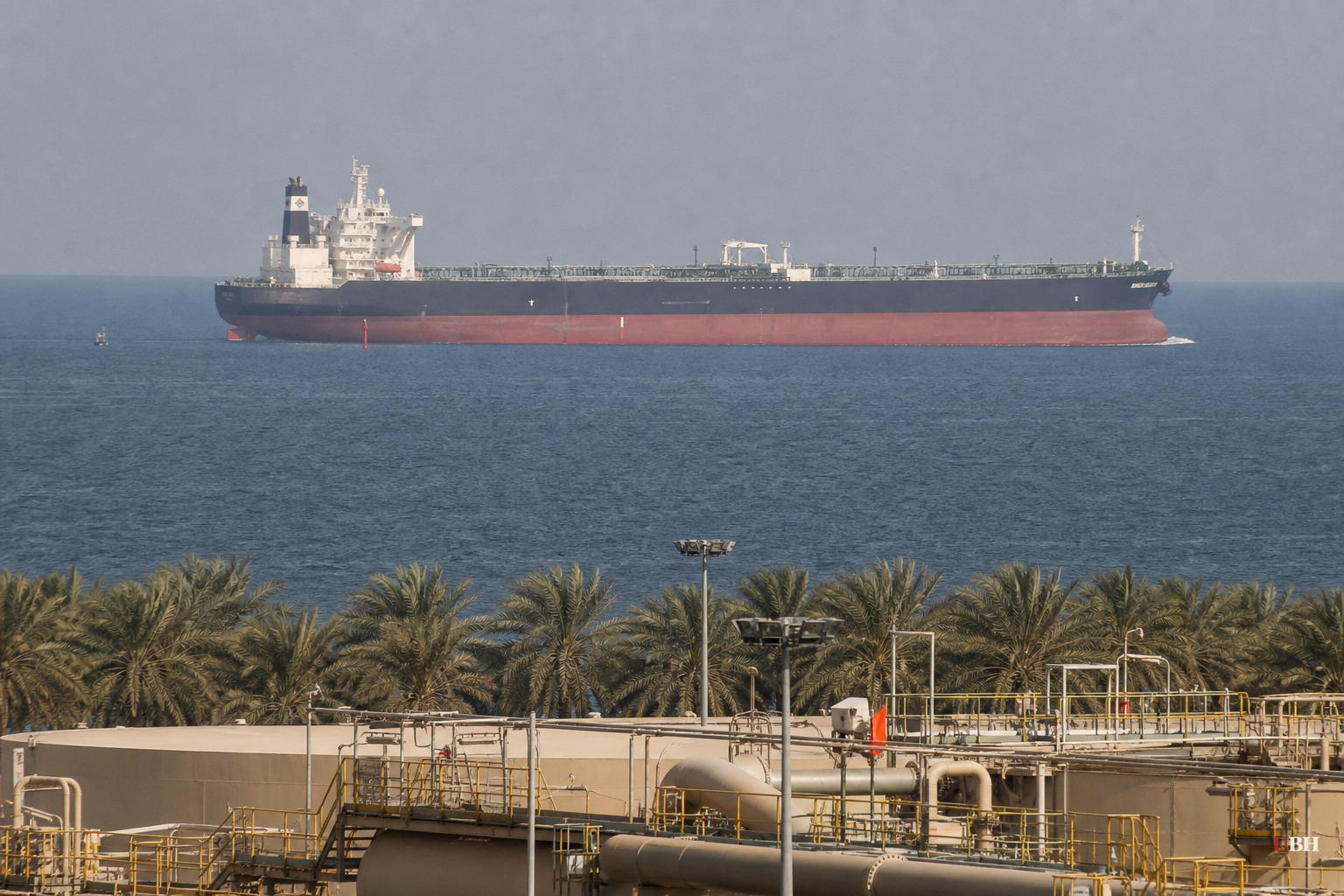
A Second Front Grinds On
Since the Houthis declared their maritime blockade on Saudi Arabia on July 20, the group has widened its target list from tankers to Aramco's own refineries, and this week brought both a new missile claim and a diplomatic wrinkle involving China.
Saudi Arabia said Tuesday its air defenses shot down drones fired by Iran-backed militias in Iraq for a second straight day, according to the Associated Press. That came as Yemen's Houthis claimed they fired ballistic missiles at a Saudi oil tanker in the Red Sea, forcing it to turn back, according to NDTV Profit citing the Times of Israel. Saudi authorities had not commented on that specific claim as of Tuesday.
The Houthi spokesman, Yahya Saree, said the tanker had ignored repeated warnings and violated what the group calls its blockade on the kingdom. This is the same spokesman who earlier claimed responsibility for strikes on Aramco facilities at Jazan and Yanbu, framing them as retaliation for Saudi airstrikes on Yemen's Hodeidah province, according to NDTV Profit.
China Goes Around Everyone Else
China has opened direct talks with the Houthis to secure guarantees that Chinese-flagged vessels can transit the southern Red Sea without being targeted, according to six sources cited by Reuters and relayed by NDTV Profit, one of them a senior Iranian official. Beijing wants explicit safe-passage assurances, not just quiet hope that its ships get lucky.
Beijing isn't lobbying Washington or Riyadh to fix the security situation. It's negotiating directly with an Iran-backed militia that the U.S. State Department designates a terrorist organization. If confirmed, it shows China treats the Houthis as the actual gatekeeper of Red Sea trade, not a rogue actor that Saudi Arabia or the U.S. Navy can be counted on to neutralize.
The Tanker Traffic Tells the Real Story
Ship-tracking data described by Insurance Journal shows the practical effect of all this. The Hong Kong-flagged supertanker New Champion, chartered by a Chinese buyer to load crude at Yanbu, made a dramatic U-turn in the Gulf of Aden last Friday rather than push through the Bab el-Mandeb chokepoint. It is now steaming east at close to 16 knots. Some shipping insurers have simply stopped offering coverage for any vessel calling at Saudi ports, according to brokers cited by Insurance Journal.
Not every ship is turning back. Two Chinese-owned supertankers did exit Bab el-Mandeb safely with transponders on, carrying Saudi cargo, the first to do so unimpeded since the blockade was announced. But others are choosing the far more expensive route: full transit through the Suez Canal and around Africa. The Gas King, a Japan-bound vessel carrying cooking fuel, took that route last Friday. Its arrival in Japan, originally expected in early August, is now pushed to late September, per Insurance Journal's shipping data. That is weeks of added transit time and cost that eventually shows up in fuel prices somewhere down the line.
Aramco's Refinery Damage Is Real and Measurable
None of this is abstract risk anymore. Saudi Aramco shut its 400,000-barrel-per-day Jazan refinery after a Houthi missile and drone attack damaged the plant's gasification complex and oil storage area, according to Reuters reporting cited by NDTV Profit. A note from consultancy IIR estimates repairs and a partial restart won't happen until August 15. That's a real, dated production loss, not a hypothetical.
What the Coverage Leaves Out
ZeroHedge's account folds in a separate claim that Iran fired missiles at a U.S. base in Jordan, sourced to Iranian state media outlets Fars and IRIB, with CENTCOM confirming a missile launch from IRGC forces that U.S. defenses intercepted. That's a distinct escalation track from the Houthi/Red Sea story and deserves its own scrutiny rather than being blended into the same narrative of "fragile pause shattered." The Houthi blockade and the Iran-U.S. exchange over Jordan are related by the broader war but are not the same event, and conflating them risks overstating how coordinated the various fronts actually are.
Some analysts, per Al-Monitor's Reuters-sourced reporting, view the Houthi blockade less as an independent Yemeni initiative and more as a "tactical move by Iran to seek leverage" in the broader Hormuz standoff. That's a reasonable read given the timing, but it remains an analytical judgment, not a confirmed fact from either Tehran or the Houthi leadership.
What's Unresolved
Saudi Arabia has not publicly confirmed the latest tanker missile claim. Whether China's direct outreach to the Houthis produces an actual safe-passage arrangement, and what Beijing offers in return, remains unknown. And the Jazan refinery's August 15 restart target assumes no further strikes between now and then, an assumption that looks shakier by the day given the pace of Houthi attacks on Aramco infrastructure this month.
Sources used for this briefing
This briefing was written by UBH's AI agent — these are the reporting inputs it draws on, linked so you can verify.


