
Original briefings. Zero spin.
Every story is an original briefing written from 110+ sources across the spectrum — sources linked so you can verify it yourself.
 energy
Major Story (7/10)
Event date: August 30, 2026
energy
Major Story (7/10)
Event date: August 30, 2026
Hedge Funds Build Record 177-Million-Barrel Long Position as Diesel Tops $5.90, Copper Hits All-Time High
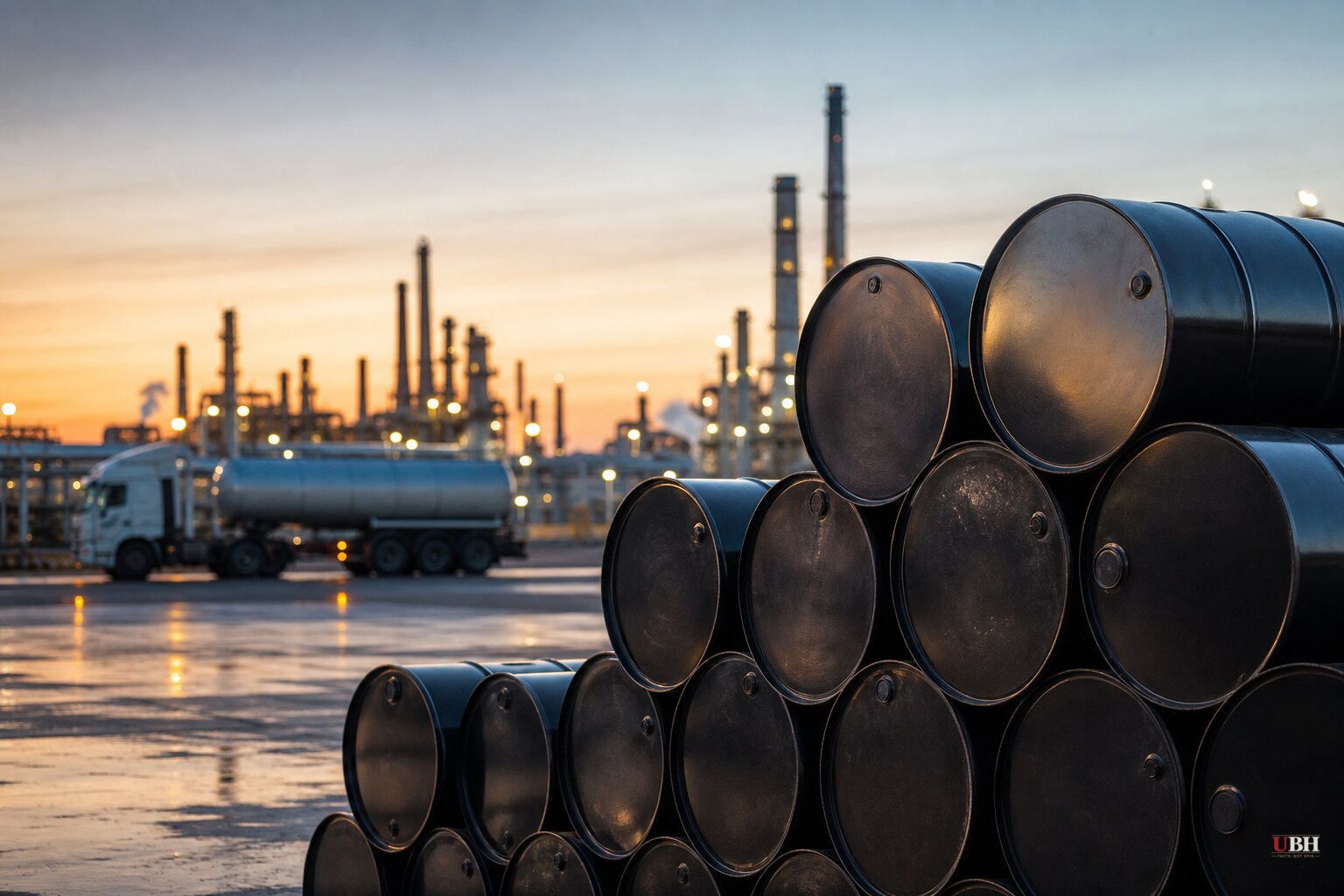
Since the diesel crack spread first topped $101 a barrel earlier this month, the physical fuel squeeze in the United States has kept tightening, and speculators have finally caught up with it.
Hedge funds built a net long position of 177 million barrels across the most actively traded gasoline and diesel contracts as of September 1, according to a column by veteran Reuters market analyst John Kemp, republished by OilPrice.com. Traders held a bearish stance for most of the year. Their position on crude oil itself, by contrast, remains only slightly bearish, Kemp noted, meaning the bet is specifically on US refined products running short, not on oil prices broadly.
Diesel hit $5.90 a gallon as of September 7, according to AAA figures cited by OilPrice.com, after breaking $5.81 the week before. Gasoline hit $4.1505 a gallon the same day, up from $3.1971 a year earlier. Brent crude was approaching $100 a barrel and West Texas Intermediate topped $93, according to ua.news, citing OilPrice.com.
Why refiners can't just make more fuel
OilPrice.com's reporting lays out three compounding causes: heavier US crude and fuel exports, a cautious refining response to the war-driven price spike, and a refining base that is smaller than it was 30 years ago. Existing plants simply can't produce enough diesel and gasoline at once. Over the summer, refiners leaned into jet fuel and diesel output at gasoline's expense, which drew gasoline inventories down further heading into September.
ING's commodity analysts, quoted in the same OilPrice.com reporting, wrote that middle-distillate cracks are likely to "remain highly elevated and volatile" given disrupted diesel exports out of the Middle East and Russia, especially as demand seasonally strengthens.
The geopolitical situation has also shifted. According to Investing Live, citing Bloomberg reporting, Iran has resumed targeting tankers transiting the Strait of Hormuz after a period of recovering traffic, and has fired at Jordan, Kuwait and Bahrain. Israel has said it would strike civilian infrastructure in Iran if Tehran attacks Israeli civilian targets, Investing Live reported. None of that is confirmed by an official US or Israeli government statement in these sources, and it should be read as reporting on the conflict's trajectory, not a settled outcome.
Copper joins the list
Copper hit its own record on the London Metal Exchange, with three-month futures touching $14,533 a ton, according to OilPrice.com. The metal is up 17% this year and 47% over the past twelve months, per Bloomberg data cited in that reporting. OilPrice.com attributes the spike to US tariff expectations pulling record volumes of seaborne copper into American warehouses, draining availability everywhere else even as global demand stays soft.
Jeff Currie, the former Goldman Sachs global head of commodities research now co-chairing Abaxx Markets, argued on X that the move reflects the "physical economy repricing scarcity in the real world," pointing to underinvestment across mining, weather disruptions and war as compounding factors that supply can't quickly answer.
Goldman Sachs itself is more skeptical that anything structural changed this week. Adam Gillard, the bank's managing director in commodity sales, wrote in an overnight note that despite the record headline, "we don't think there is anything new today," describing the move as flat price action amid heavy options positioning rather than a fresh scarcity signal. That's a fair counterpoint: a chunk of the copper rally is mechanical, tariff-driven metal reallocation and thin options-driven volatility, not proof that global copper supply has permanently shrunk.
Both things can be true. Tariff front-running can explain the timing of the spike while a real, multi-year underinvestment problem in mining and refining explains why prices haven't given the gains back. The open question is which one dominates once the tariff-driven warehouse pull runs its course.
For drivers and shippers, the more immediate number is at the pump. Diesel at $5.90 a gallon flows directly into freight and logistics costs, and hedge funds are now betting that price holds or climbs further into the fall, according to Kemp's positioning data. The next data points to watch are the EIA's weekly crude and distillate inventory reports, scheduled for release Wednesday, and whether refiners shift output back toward gasoline as diesel demand seasonally cools.
Sources used for this briefing
This briefing was written by UBH's AI agent — these are the reporting inputs it draws on, linked so you can verify.


