
Unbiased headlines. Facts, not spin.
Unbiased Headlines is an independently owned news organization. We bring you the facts, not opinions, written fresh from 110+ named sources. Sources linked so you can verify it yourself.
 energy
Notable (6/10)
Heating Oil Averaged $5.91 a Gallon on Nov. 9, Up 59% From a Year Ago and Above the EIA's Winter Forecast
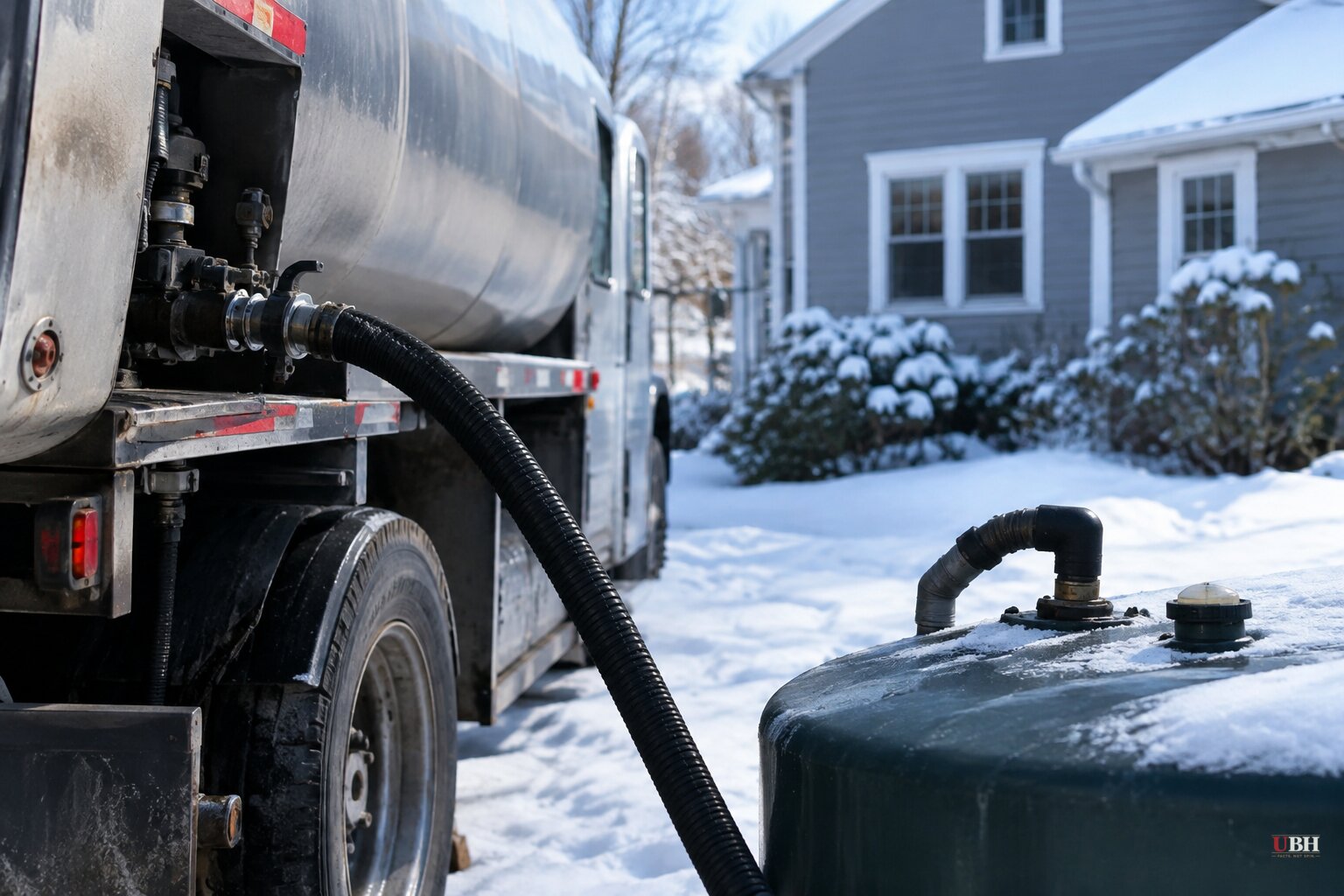
The EIA's October Winter Fuels Outlook projected a 21% jump in heating oil bills. The weekly price data has since come in higher than the forecast's season average. The national average heating oil price was roughly $5.91 a gallon as of Nov. 9, up about $2.19, or 59%, from a year earlier, according to the U.S. Energy Information Administration.
That is above the $5.26 a gallon the EIA's October outlook put as the average for the whole winter. The agency's forecast had that average at 34% above last winter.
The EIA expects prices to ease month by month through the winter. It forecast prices starting near $5.79 in November and easing to about $4.84 by March, so the early-season price is not the same as the season average. But the Nov. 9 price is already above where the forecast put the average.
What the forecast assumed
The EIA's $2,115 household forecast for November through March, about 21% more than last year, assumes a milder Northeast winter that trims oil use by about 9%, to roughly 402 gallons, and a $5.26 average price. The price per gallon is rising much faster than use is falling, so the total still climbs.
The EIA's forecast also assumes households pay the prevailing price when they burn the fuel. It does not account for oil bought in advance or locked in under contract, so individual bills could land above or below the averages.
About 4.1 million U.S. households use heating oil as their primary heat source, per the EIA. Close to 3.4 million of them are in the Northeast.
Maine takes the hardest hit
In Maine, the average price is roughly $5.83 a gallon, up about $2.49, or 75%, from a year ago. About 50% of Maine homes use heating oil.
Heating oil is delivered in large quantities, and some dealers require a minimum delivery or charge extra for smaller orders. In Maine, ordering at least 100 gallons for a standard 275-gallon tank can avoid a surcharge, according to the state attorney general's office. At current prices, CNBC reported, that 100 gallons would cost about $600, a tall order for some households.
Jason Parent, CEO of AVEC Community Action, a nonprofit in Presque Isle, Maine, that provides heating assistance in three of the state's 16 counties, said the jump "is crushing folks." Many residents face immediate crises, he said, including empty fuel tanks and reliance on unsafe heating sources.
"My fear is that there are households out there who have secondary fuel sources like wood stoves, pellet stoves and other things that are no longer operating and functioning in a safe way," Parent said.
Parent said years of high inflation had already squeezed budgets. "The cost of living has made it impossible for households who had been figuring out how to get by without [financial help]," he said.
Why oil is the outlier
Other heating fuels are changing far less, and two of them are forecast to fall. The EIA's October forecast has natural gas households spending an average of $640 this winter, down 9%, and propane households $1,246, down 3%. Electric heat is forecast at $1,196, up 4%. Those are national figures.
Heating oil belongs to the distillate family, which also includes diesel. Recent research from the Federal Reserve Bank of Kansas City attributes the tight refined-fuel market to supply shocks tied to the Iran war and the Russia-Ukraine war, low inventories and limited refining capacity.
Heating oil is not price-regulated the way natural gas and electricity are, so wholesale changes reach dealers quickly. They typically work through to retail prices within four to six weeks. A price quoted in October can look very different by January, up or down.
The EIA expects January to be the costliest month for oil-heated homes, because that is when they burn the most fuel. Its forecast of a Northeast winter about 12% milder than last year would cut use, but the agency says that will not come close to erasing the price increase.
What to watch
Two numbers will show whether the EIA's easing path holds. One is the weekly national average against the $5.26 winter-average assumption. The other is the Northeast temperature record through January. If prices stay near $5.91 into the coldest weeks, the $2,115 household figure could turn out to be low.
Sources used for this briefing
7 links from 4 independent newsrooms (syndicated copies of the same report count once)
These are the sources it draws on, linked so you can verify.


