
Unbiased headlines. Facts, not spin.
Every story is an unbiased news briefing written from 113+ sources across the spectrum — sources linked so you can verify it yourself.
 economy
Major Story (7/10)
Event date: September 20, 2026
economy
Major Story (7/10)
Event date: September 20, 2026
Gordie Howe Bridge Opens With No U.S. Officials as Trade War With Canada Reaches What One Conservative Columnist Calls Stage Four
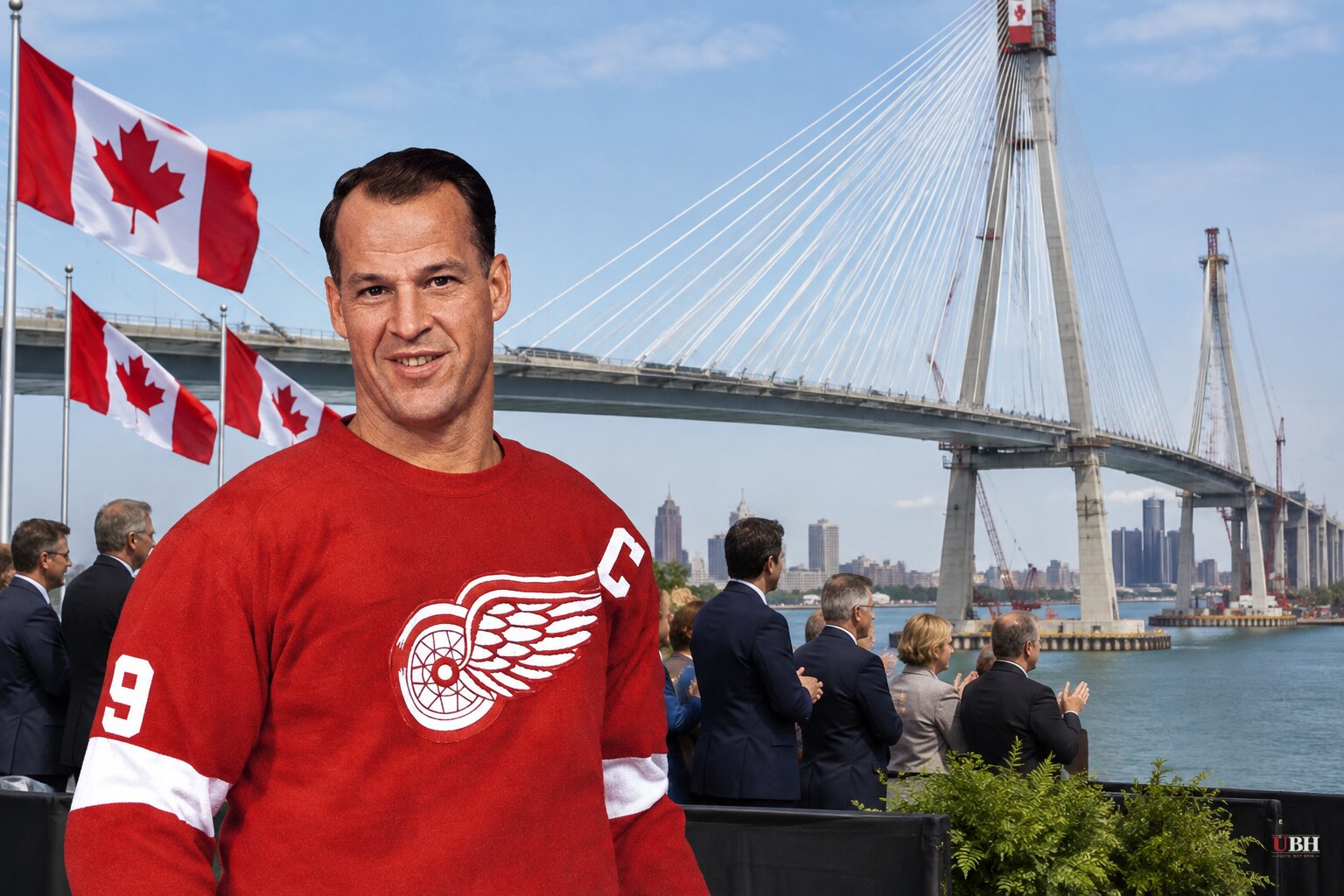
Since 60% of Americans told pollsters last week they oppose Donald Trump's trade war with Canada, the rift between Washington and Ottawa has kept widening rather than closing. The clearest snapshot of that came in July, when the Gordie Howe International Bridge opened between Detroit and Windsor, Ontario, and no American officials showed up.
A Bridge, Half the Guest List
According to Bloomberg, the bridge took 25 years of planning and eight years of construction to finish. It's named for Gordie Howe, the Detroit Red Wings legend whose career spanned both sides of the border, a symbol once meant to represent shared North American culture as much as commerce.
Instead, Bloomberg reports the opening ceremony was attended only by Canadian officials. No cabinet secretary, no governor, no ribbon-cutting from Washington. Bloomberg frames it as a measure of just how much the relationship has deteriorated and says it's now digging into what the standoff means for businesses that actually move goods across that span every day.
Four Stages, According to Victor Davis Hanson
Daily Signal senior contributor Victor Davis Hanson has been tracking the dispute in stages. He describes stage one as mutual shock: two neighbors who share a language, a border, and British civilizational roots suddenly at open odds.
Stage two, Hanson says, was Prime Minister Mark Carney placing blame squarely on the United States, accusing Washington of bullying Canada into walking away from a trade agreement late on a Friday afternoon with no warning. Hanson says Carney framed it as an attack on Canadian sovereignty, specifically Washington's objections to Canada importing steel, aluminum, and EVs that Hanson characterizes as Chinese goods dumped below production cost and routed through Canadian assembly lines into the U.S. market.
Hanson also cites a 5% tax Carney's government imposed on top of corporate income tax, aimed at large digital and media companies. Per Hanson's account, Carney has defended that tax as necessary to protect Indigenous and French-language Canadian voices from being crowded out by American platforms. Hanson calls that justification absurd, comparing it to the U.S. taxing Canadian broadcasters over regional American content. That's a real and unresolved dispute: Carney's government has publicly defended the tax on cultural-protection grounds, while Washington has treated it as a discriminatory levy on American firms. Neither claim is adjudicated in the sources here, and no U.S. or Canadian court or trade panel ruling on the tax is cited.
Stage three, in Hanson's telling, was a walk-back, with Carney going quiet on the specifics of why he pulled out of talks in the first place. Stage four, per the Daily Signal headline, is where Hanson argues ordinary Canadians are now feeling real economic pain from the standoff their government picked.
What's Actually Verified, and What Isn't
Hanson's framing is opinion journalism, labeled as such by the Daily Signal, and it leans hard into blaming Ottawa. His claim that Chinese steel and EVs are being dumped below production cost is his own characterization, not an independently sourced finding in these reports. Carney's stated rationale, protecting Canadian sovereignty and Indigenous and French-language media, comes to readers filtered entirely through Hanson's account, and no direct Carney quote or Canadian government statement is available here to confirm how his office frames it today.
What is verifiable is the visual: American officials skipped the Gordie Howe Bridge opening ceremony, according to Bloomberg. And per prior reporting, U.S. import bans on Canadian goods were set to begin roughly a week after a poll published September 25 showed 60% of Americans opposing the trade war in the first place, which puts the bans landing around this coming week.
Whether those bans actually take effect on schedule, and whether Carney or Trump make any move toward direct talks before they do, remains an open question. Neither government has announced a face-to-face meeting in the sources reviewed here. For businesses moving freight across a brand-new bridge that took 25 years to build, that uncertainty is the whole story right now.
Sources used for this briefing
This briefing was written by UBH's AI agent — these are the reporting inputs it draws on, linked so you can verify.


