
Unbiased headlines. Facts, not spin.
Unbiased Headlines is an independently owned news organization. We bring you the facts, not opinions, written fresh from 110+ named sources. Sources linked so you can verify it yourself.
 energy
Notable (6/10)
Goldman Sachs Says 52 GW of New Data Center Capacity Could Come Online in 2028, Lifting Gas Demand
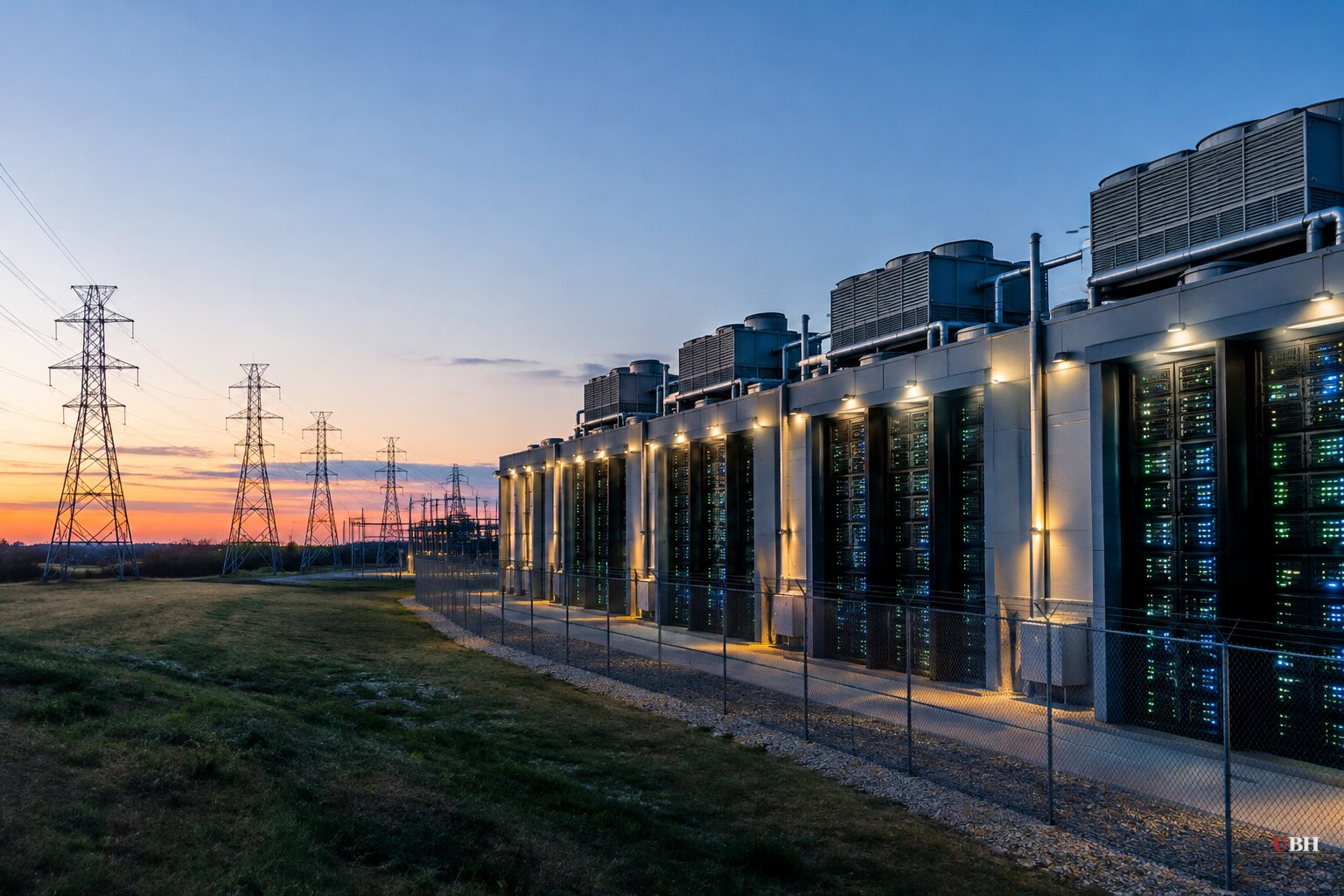
Through the first eleven months of 2026, U.S. data-center power capacity and demand have climbed by nearly 30%, and Goldman Sachs now expects the build-out to keep running through 2028.
The bank laid that out in a note dated Tuesday, Nov. 24. It says an additional 52 gigawatts of data-center power capacity could come online in 2028 alone.
"Year-to-date, data-center power capacity and demand have increased by nearly 30% in the US, contributing to more than one third of US total power demand growth," Goldman's analysts wrote.
They tie the acceleration to bigger buildings, not just more of them. "We expect growth acceleration in data centers to be driven not only by a higher volume of facilities, but by increasingly larger physical footprints and higher power density," the note said.
Why gas sits in the middle
Goldman says the expansion could further tighten U.S. power markets and raise natural gas demand. That reinforces its bullish outlook for Henry Hub gas prices between 2028 and 2030.
Gas has become the go-to source of reliable baseload power for data-center operators, in part because nuclear plants take too long to build. That is the logic behind the pipeline of new generation.
Gas-fired capacity in development that is directly tied to data centers nearly doubled to 189 GW in the first half of the year, according to figures cited by OilPrice.com. Goldman's note does not say how much of the 52 GW would be gas-fired.
A real-world example
The Financial Times reported on Nov. 8 that Anthropic struck a roughly $3.4 billion deal in late September for 1.7 GW of heavy-duty, gas-powered generators from Texas-based OnePWR Solutions. The deal includes engineering and construction capability to install the units. According to the FT, Anthropic did not acquire OnePWR or take on its employees.
Reuters previously reported that Anthropic expects to spend more than $500 billion over the next decade on AI infrastructure.
That is one company buying its own power equipment because the grid cannot be counted on to deliver fast enough.
Supply is also rising
Demand is only half of the price equation. U.S. natural gas production is on track to close a second straight year at record highs, according to OilPrice.com's analysis.
Producers are responding to data-center demand at home and to rising liquefied natural gas exports as liquefaction capacity expands. They are also responding to strong global demand for spot LNG cargoes, with Qatar's gas absent from the market because of the Iran war. Iran's army chief has ordered the Strait of Hormuz kept closed, as covered in our earlier reporting.
Goldman's bullish view runs from 2028 to 2030. It does not say prices will rise on any particular schedule before then.
Politics is the stated risk
Goldman flagged one factor it says could cap the upside: policy shifts after the midterms. Democratic victories in November, including wins in Republican strongholds and major data-center hubs Texas and Georgia, are expected to produce divided government. According to the note, that could bring greater scrutiny of data-center development.
The pushback is not confined to Democrats' side of the aisle. Louisiana Gov. Jeff Landry, a Republican, has argued against the backlash to AI data centers. He warned that rejecting them could send American jobs overseas.
The national debate comes down to who pays for and approves the power. Developers and governors like Landry want projects built here. Officials who win on scrutiny will decide how fast permits, interconnections and rate decisions move.
Goldman's note does not name specific legislation or regulatory actions. It does not say how much of the 52 GW could be delayed or cancelled.
What to watch
Goldman's 52 GW figure is a forecast of what "could" come online, not a count of projects under construction. The next test is whether the new Congress and state regulators in Texas and Georgia act on data-center scrutiny. Developer announcements like Anthropic's generator purchase will show whether the build-out holds its pace regardless.
Sources used for this briefing
7 links from 7 independent newsrooms (syndicated copies of the same report count once)
These are the sources it draws on, linked so you can verify.


