
Unbiased headlines. Facts, not spin.
Unbiased Headlines is an independently owned news organization. We bring you the facts, not opinions, written fresh from 110+ named sources. Sources linked so you can verify it yourself.
 energy
Major Story (7/10)
EU Gas Storage Sits at 68.9% as Cold Snap Lifts Dutch TTF Above €90 for a Fourth Straight Session
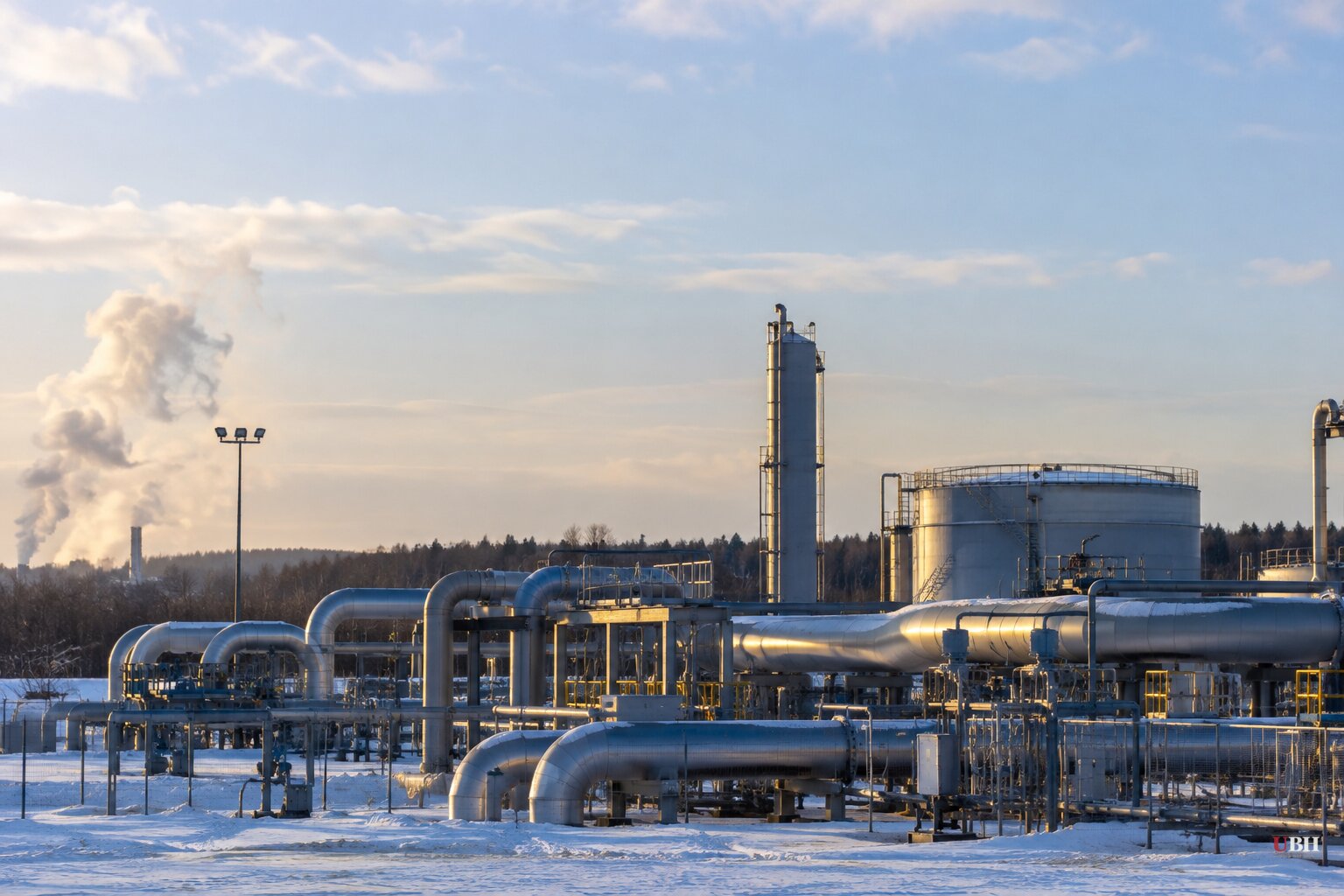
Since EU storage withdrawals began in mid-October, Europe's gas market has gone from tight to stretched. A new cold snap is now draining stocks faster just as the winter heating season gets going.
EU gas storage sites were 68.9% full on November 23, according to Gas Infrastructure Europe. The five-year average for the date is 89%. A year ago it was about 82%.
The gap has a clear origin. Storage peaked at roughly 75% to 76% before the heating season began, well short of the roughly 90% the bloc has typically reached in earlier years.
October prices hit four-year highs
The Gas Exporting Countries Forum (GECF) said in its monthly report on Tuesday, November 24, that the Dutch TTF spot price averaged $28.63 per million British thermal units in October. That is up 12% from September and 163% from October 2025.
The UK's National Balancing Point did slightly worse. It averaged $28.02 per MMBtu, up 11% on the month and 168% on the year.
GECF pointed to three drivers: uncertainty over LNG transit through the Strait of Hormuz, unplanned outages in Norway, and low storage across Europe. GECF is an exporters' group, so it has its own stake in how gas markets are read.
The forum warned that "prolonged supply constraints, combined with colder-than-normal weather, could further tighten market balances and expose prices to upward pressure."
Prices eased, then jumped again
Benchmark prices peaked above €100 per MWh in late October, a four-year high. They backed off earlier this month but are still nearly triple the roughly €30 per MWh of a year ago.
The retreat did not last. On Monday, November 23, front-month TTF contracts in Amsterdam rose more than 8% at the open after weather models showed colder air heading for the continent.
On Tuesday, the front-month contract topped €90.50 ($98.77) per MWh in early trade. That was up about 1% and marked a fourth straight session of gains.
The cold is arriving on a thin cushion
The UK, Germany and France are the largest gas consumers in northwest Europe. All three were forecast to see freezing temperatures during the week of November 23.
Central and eastern Europe are also in an unusually bitter cold snap, expected to last through the first week of December. The cold raises gas demand for both heating and power generation.
Net storage withdrawals began in the middle of October and sped up toward early November. They eased in the two weeks before the weekend of November 21 and 22, then accelerated again. Gas Infrastructure Europe's data show them continuing at high rates at least through the end of November.
Inventories are expected to draw down rapidly over the next week or two. That leaves less gas in the ground for January and February, typically the coldest months.
How the summer fill fell short
Oilprice.com's analysis ties the weak summer fill to two things. One is severely reduced Middle Eastern LNG supply. The other is a backwardated futures curve, where prompt prices sit above later ones, which discouraged stockpiling. The most the EU reached before withdrawals began was about 75%.
The bloc starts the winter's heaviest drawdown more than 20 percentage points below its usual position, with prices already near triple last year's level.
What to watch
Two things will show how tight the market gets. One is how quickly Gas Infrastructure Europe's storage figure falls from 68.9% through the end of November. The other is whether TTF holds above €90 per MWh as the cold lasts into the first week of December. GECF has not said when it expects Hormuz LNG transit uncertainty to ease.
Sources used for this briefing
7 links from 6 independent newsrooms (syndicated copies of the same report count once)
These are the sources it draws on, linked so you can verify.


