
Unbiased headlines. Facts, not spin.
Unbiased Headlines is an independently owned news organization. We bring you the facts, not opinions, written fresh from 110+ named sources. Sources linked so you can verify it yourself.
 energy
Notable (6/10)
Iraq Rejects OPEC+ Capacity Review That Puts It Under 5 Million Barrels a Day, Five Days Before 2027 Quota Meeting
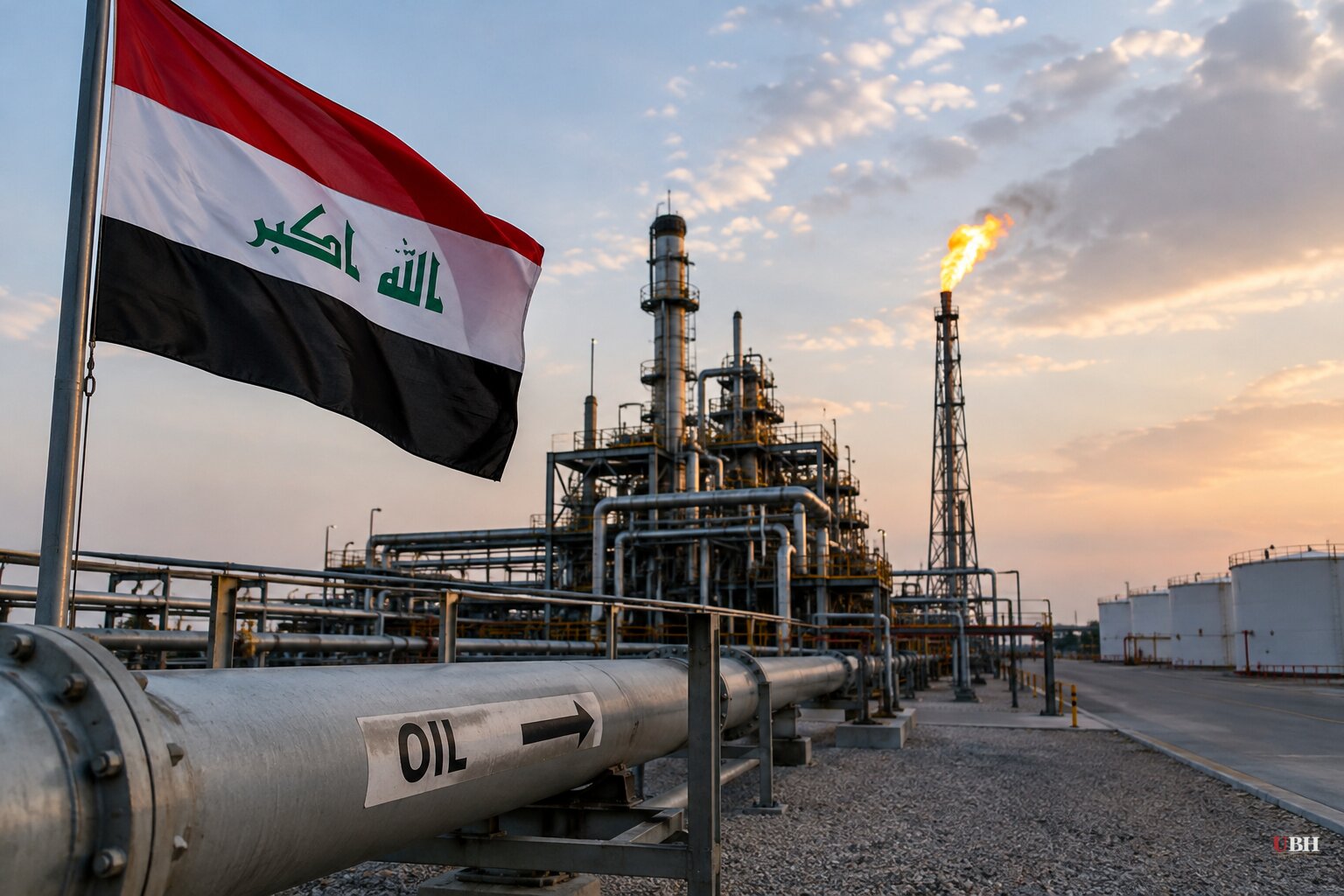
Since OPEC+ left Iraq's December production requirement unchanged at 4.431 million barrels a day on Nov. 1, Baghdad has gone after the capacity review that will anchor next year's quotas. Iraq is refusing to accept the finding that it can sustainably produce less than 5 million barrels a day. The group's ministers meet Sunday, Nov. 29, to settle 2027 policy.
What Iraq is asking for
The outside assessment is the first of its kind for the group. Capacity figures are meant to set each member's 2027 baseline, the starting point for quota calculations. The higher the recognized capacity, the stronger a country's claim to a larger share.
The accounts of Iraq's counter-demand differ. One account holds that Baghdad wants OPEC+ to recognize about 6 million barrels a day. Another, citing four people familiar with the matter, says the external assessor put Iraq at roughly 4.9 million and that Oil Minister Basim Mohammed Khudair wrote to OPEC insisting the figure is 5.2 million, about 300,000 above the assessment. Neither the OPEC Secretariat nor Iraq's oil ministry responded to requests for comment on that letter.
Iraq has also said it wants to lift output to 7 million barrels a day over the coming years.
Iraq says the review understates what it has spent on oilfield facilities and expansion in recent years, according to those four people. Baghdad also says it supports the review process and is taking part in it, even as it contests the result.
The numbers on the table
The International Energy Agency puts Iraq's sustainable capacity at 4.87 million barrels a day. That sits close to the consultants' ceiling and well below the 6 million figure Baghdad is reported to want.
Production is a separate fight. In OPEC's November report, Baghdad reported October output of 4.888 million barrels a day. OPEC's independent secondary sources put it at 4.491 million.
That is a gap of nearly 400,000 barrels a day between what Iraq says it pumped and what OPEC's sources say it pumped. Even the lower estimate is about 60,000 above Iraq's 4.431 million requirement.
Khudair said earlier this month that Iraq is producing more than 5 million barrels a day, over 500,000 above its requirement. He also said Iraq is in compliance because its exports are within acceptable limits.
The OPEC+ framework does not work that way. Quotas are set on crude production, not exports, and oil burned at home counts. Compliance is judged against independent secondary-source estimates, not government figures. Iraqi energy officials have said exports rose to about 3.5 million barrels a day in October from 2.65 million in September.
Why the fight matters to everyone else
A larger Iraqi allocation has to come from somewhere. Granting it means either allowing more oil onto the market or cutting what other members can produce.
The group is already thinner than it was. The UAE has left over quota issues, and Angola has also exited. Iraq itself threatened in June to leave OPEC if its allocation was not satisfactory, then withdrew the warning. The oil ministry has since said that threat does not reflect government policy.
The usual quota-versus-capacity squeeze has been less of a practical constraint lately. Iraq, Saudi Arabia and Kuwait have all produced below their allowances for months because of the Strait of Hormuz closure and shipping disruption. Iraq's output fell from more than 4.1 million barrels a day to roughly 1.3 million at the low point of the regional conflict.
That cushion may not last. Rising output from the United States and Guyana is complicating the 2027 supply outlook, according to Rystad Energy analysis. Brent has stayed below $90 a barrel in recent sessions.
The timetable
The capacity review was due to be completed by the end of September, with ratification by oil ministers scheduled for November. OPEC Secretary-General Haitham Al Ghais called the results a "historic milestone" after the Secretariat held an online meeting on them last Monday. The outcome Iraq now disputes is the one he was praising.
Iraq has not said whether it will accept the baseline if the ministers ratify the consultants' figure on Sunday. It has also not published a monthly production number that reconciles its own count with OPEC's secondary sources. Whether OPEC+ re-examines Iraq's figure or holds to the review as written will be the first test of how much room the group has left for dissent after losing two members.
Sources used for this briefing
8 links from 7 independent newsrooms (syndicated copies of the same report count once)
These are the sources it draws on, linked so you can verify.


