
Unbiased headlines. Facts, not spin.
Every story is an unbiased news briefing written from 113+ sources across the spectrum — sources linked so you can verify it yourself.
 economy
Notable (6/10)
September 28, 2026 at 12:57 PM
economy
Notable (6/10)
September 28, 2026 at 12:57 PM
Gates Foundation Commits $400 Million to AI Tutoring Tools Ahead of 2045 Shutdown
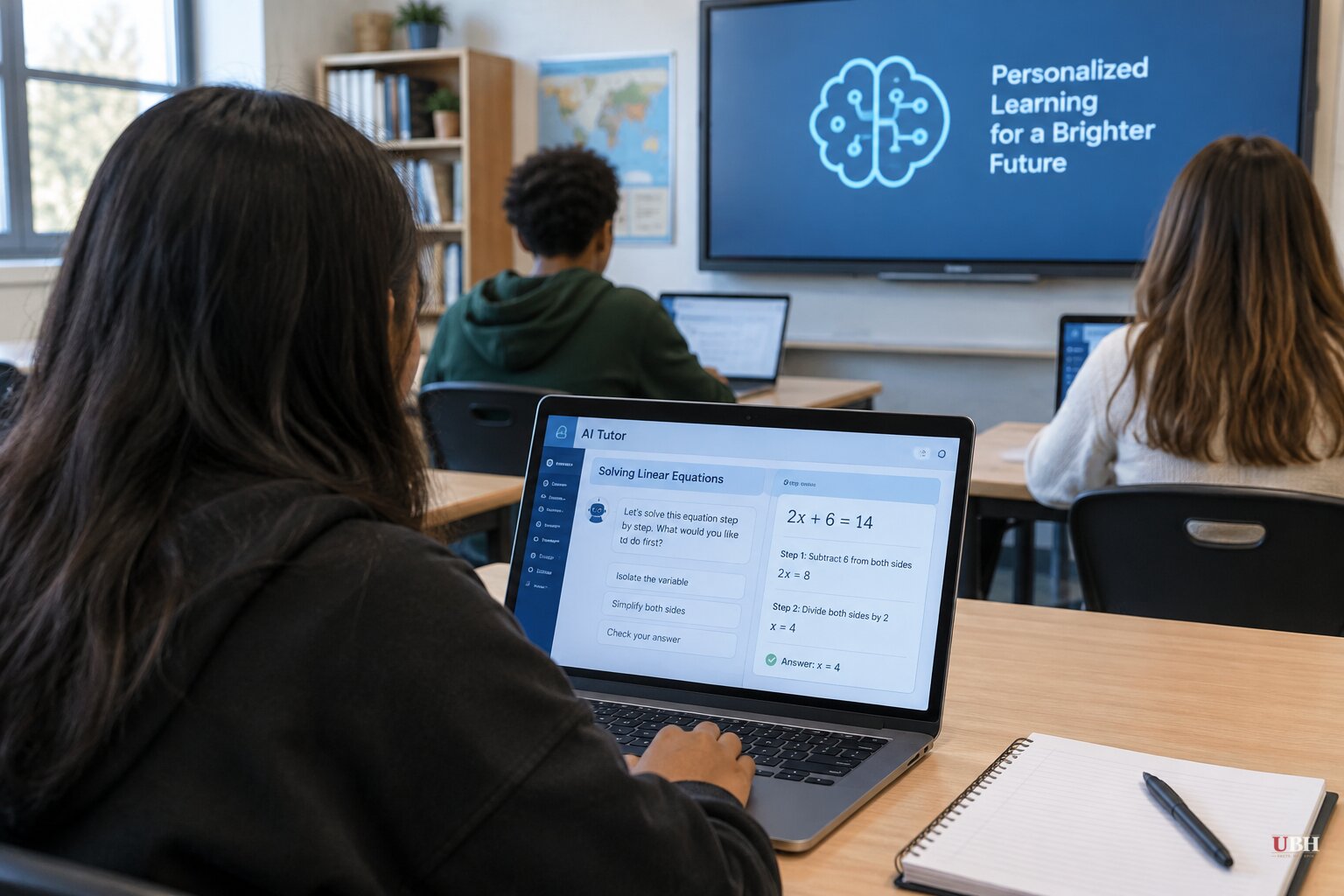
The Gates Foundation has pledged $1 billion toward developing and deploying artificial intelligence tools for schools, frontline healthcare workers, and farmers around the world, according to the Times of India. The single largest slice of that money, $400 million, is going straight into education.
That $400 million is earmarked for AI-powered tutoring systems meant to personalize instruction in classrooms in the United States and abroad, the report says. The money is part of a broader U.S. education framework the foundation rolled out in July, which aims to help up to 10 million more Americans secure career-advancing credentials before the organization shuts its doors in 2045.
That shutdown date isn't new. Bill Gates has said for years that his foundation will spend down its assets and close within roughly two decades of his death, and 2045 has been the stated target. What's new is the scale of the AI bet: $400 million on classroom software built around a technology that's only been in widespread commercial use for a few years.
The Skepticism Is Real, and It's Not Just Talk
New York City Mayor Zohran Mamdani and the city's schools chancellor are among officials voicing skepticism about AI tools in classrooms, according to the Times of India. That skepticism is already shaping policy decisions in parts of the country, the outlet reports, as districts weigh screen time, data privacy for minors, and whether recent tech adoptions have actually moved the needle on learning outcomes.
Schools have been burned before by big tech-driven promises that didn't pan out, from one-to-one laptop programs to interactive whiteboards that ended up gathering dust. Parents and teachers who are wary of handing over more classroom time to unproven software run by algorithms nobody outside the company fully understands have legitimate concerns. They're asking the same question any taxpayer should ask before writing a check: where's the evidence this works?
There's also a separate, more basic question that has nothing to do with AI specifically: why is one foundation, funded by one billionaire, effectively setting a national education agenda for millions of kids? The Gates Foundation isn't accountable to voters, school boards, or the parents whose children will sit in front of these tutoring programs. When Bill Gates decides $400 million goes toward AI tutors instead of, say, teacher pay or trade apprenticeships, that's a private decision with public consequences, and nobody at the ballot box got a say in it.
The Other Side of the Ledger
There is a counterargument worth considering. Personalized tutoring, done well, has a long track record of helping struggling students catch up, and human tutors are expensive and in short supply. If AI software can genuinely adapt to a kid's pace and fill gaps that overworked teachers in 30-student classrooms can't, that's a real potential upside, particularly for lower-income districts that can't afford after-school tutoring programs. The foundation frames the money as targeting exactly that gap, tying it to career-credential outcomes rather than just screen time for its own sake.
Whether that promise holds up is an open question. The Times of India report doesn't cite an independent study showing these AI tutoring tools actually raise test scores or graduation rates at scale, and none of the coverage available points to one yet. The foundation's own July framework sets a goal, 10 million more Americans with career-advancing credentials, but a goal isn't a result.
What happens next matters more than the announcement itself. School districts that take Gates Foundation AI tutoring money will need to show their work: test scores, graduation rates, and whether the data collected on kids stays protected. Until districts publish those numbers, the $400 million is a bet, not a proven outcome, and the officials pushing back in places like New York are betting the other way.
Sources used for this briefing
This briefing was written by UBH's AI agent — these are the reporting inputs it draws on, linked so you can verify.


