
Unbiased headlines. Facts, not spin.
Unbiased Headlines is an independently owned news organization. We bring you the facts, not opinions, written fresh from 110+ named sources. Sources linked so you can verify it yourself.
 economy
Major Story (8/10)
Food importer sues in trade court over Trump's 50% Canada tariffs, challenging use of 1930 law
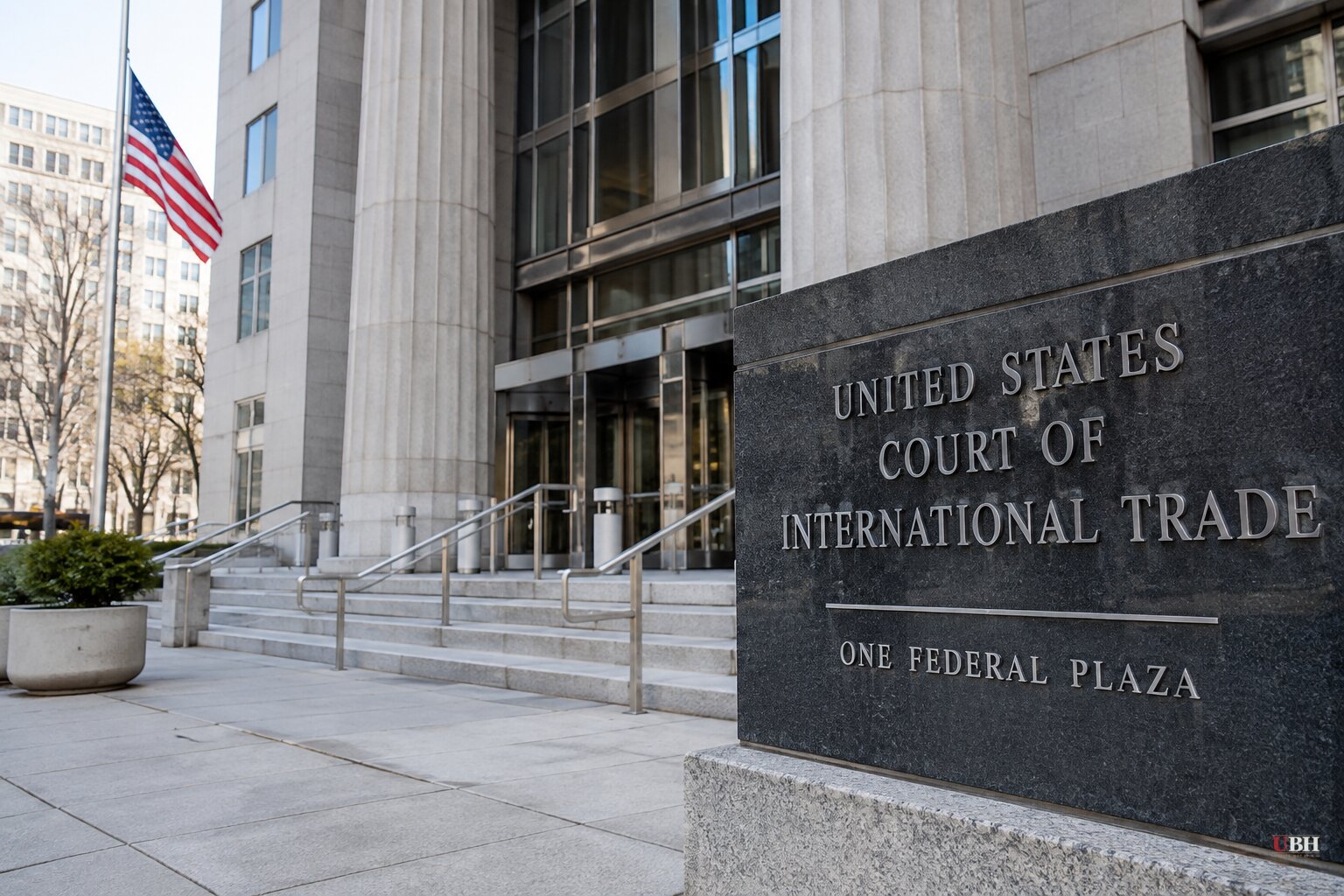
A New Jersey food importer sued the Trump administration today, Oct. 20, in the U.S. Court of International Trade. It wants 50% tariffs on a range of Canadian goods declared unlawful.
The plaintiff is Gellert Global Group, a third-generation family-run business that imports Canadian cheese. The Liberty Justice Center filed the suit for Gellert and a proposed class of importers.
The statute at issue
President Trump invoked Section 338 of the Tariff Act of 1930 in July. The tariffs cover Canadian hockey sticks, wine, honey, wigs and other products.
No president had used Section 338 to impose a tariff before. The law is 96 years old and part of the Smoot-Hawley Tariff Act. It allows duties to offset foreign discrimination against U.S. commerce.
The administration said it acted over Canada's discriminatory treatment of U.S.-made cars, alcohol and dairy goods.
What the complaint argues
The suit makes several separate arguments.
First, it says Section 338 was "impliedly repealed" by later legislation. It calls the law "a relic of the retaliation-based tariff policy." The complaint says Congress replaced it with Section 301 of the Trade Act of 1974, which requires an investigation, public comment and other safeguards.
Second, it says the Canadian policies the administration cited do not amount to the discrimination the statute covers. According to the complaint, two of the measures arose in response to Trump's own tariffs. The third involves Canadian dairy policies governed by the U.S.-Mexico-Canada Agreement.
Third, it says the administration swept in products with no link to the alleged discrimination. Canadian cheese was added to tariff lists meant to address Canadian liquor policies and automobile tariffs, the complaint says. It adds that the administration's own dairy proclamation does not cover cheese.
Fourth, it says the administration broke the statute's 30-day waiting period. The complaint says Canadian cheeses Gellert imports were added to the list on Sept. 8, and duties were collected just seven days later.
Gellert asks the court to declare the tariffs unlawful and block enforcement. It also wants refunds of duties already paid, with interest, including the duties collected before the waiting period ran out.
The same lawyers, a familiar fight
The Liberty Justice Center is the group that successfully challenged Trump's "reciprocal" tariffs. The Supreme Court struck those down in February, ruling against most of the tariffs Trump imposed in 2025.
The administration is now refunding importers. CNBC puts the sum collected under those duties at an estimated $166 billion.
The group is also litigating two other suits that challenge what it calls Trump's misuse of laws to impose sweeping tariffs.
"This case is not about the president. It is about the presidency," said Sara Albrecht, the group's chairman and CEO. "No president should have the power to pull a dormant statute off the shelf and use it to impose sweeping tariffs or import bans without the limits Congress required."
Jeffrey M. Schwab, the group's senior counsel and litigation director, made the Section 301 point directly. "The administration cannot skip those protections by reaching for a 1930 statute that no president had ever used to impose a tariff," he said.
The complaint also says Trump has used shifting legal rationales and dusted off never-used laws to claim a tariff power the Constitution assigns to Congress.
The administration's position
The White House did not immediately respond to a request for comment on the suit. Its stated rationale is already on the record: Canada discriminates against U.S. cars, alcohol and dairy, and Section 338 is the statute Congress wrote for that situation. A Fox News segment dated Aug. 22 described the tariffs as arriving as trade talks with Ottawa collapsed.
No court has ruled on the administration's reading of Section 338. The statute's own text, which allows tariffs against discrimination, is the administration's starting point. The complaint's answer is that Congress has since built a different process for these disputes.
What the court has to decide
The case turns on two questions. One is whether Section 338 is still live law after Section 301. The other is whether the Canadian measures qualify as discrimination under the statute at all.
A ruling on the first would settle the statute for every importer, not just Gellert. The suit seeks class status for a wider group of importers, and a refund order would follow the same path as the reciprocal-tariff refunds now under way.
The court has not yet set a schedule. The White House's response, and whether the administration defends Section 338 on the merits or on the facts of the Canadian measures, will be the first signal of how the government plans to fight this one.
Sources used for this briefing
6 links from 5 independent newsrooms (syndicated copies of the same report count once)
These are the sources it draws on, linked so you can verify.


