
Unbiased headlines. Facts, not spin.
Unbiased Headlines is an independently owned news organization. We bring you the facts, not opinions, written fresh from 110+ named sources. Sources linked so you can verify it yourself.
 economy
Notable (6/10)
Event date: October 1, 2026 ·
Economist Stephen Roach Says Xi May Be Using Trump Summits to Buy Time
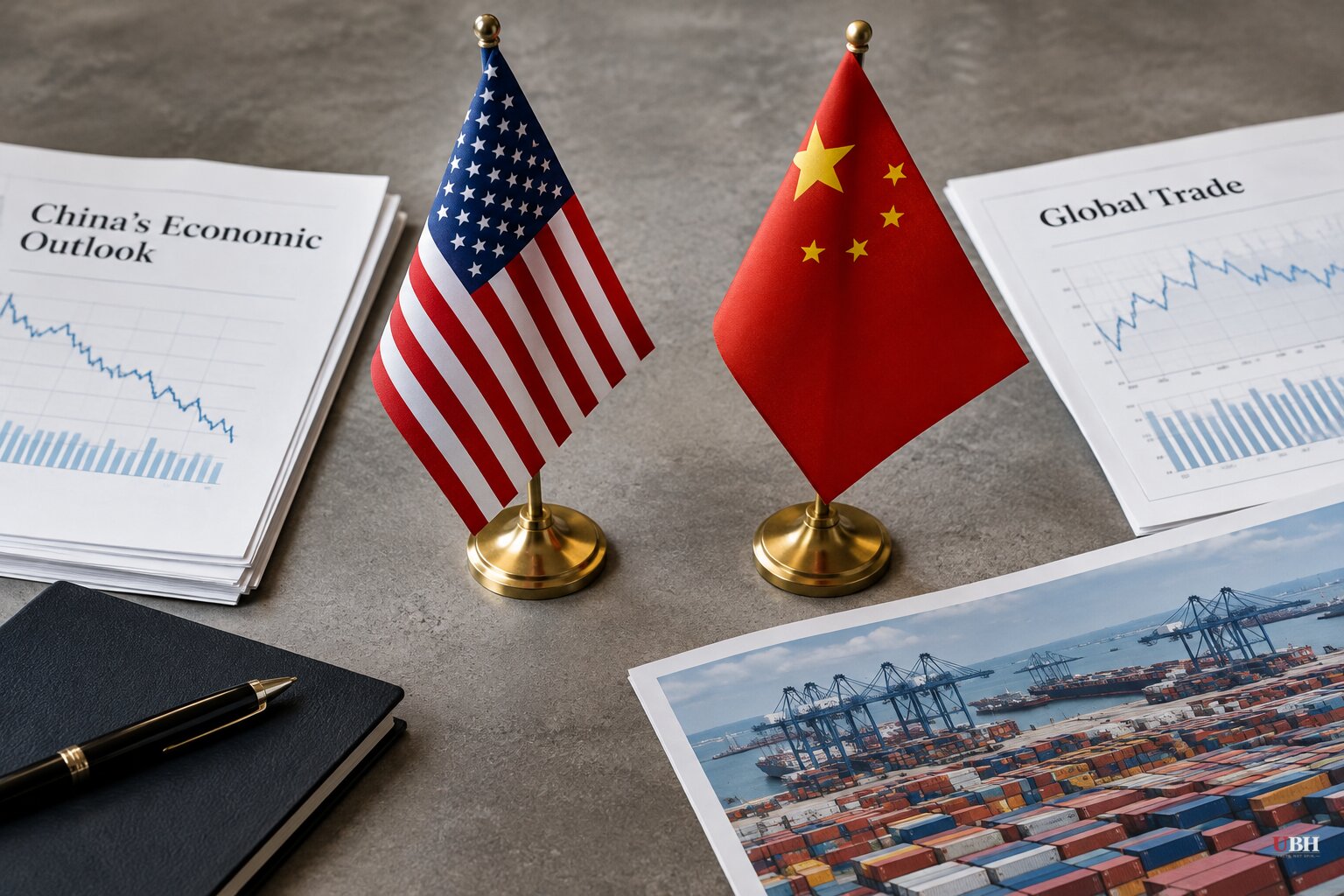
Since Trump and Xi wrapped their Washington summit, which had concluded by Oct. 1, the debate has shifted from the pageantry to the question of what Beijing wanted out of it. Economist Stephen Roach has now put a pointed answer on the table.
Roach argues that Xi's willingness to sit down with Trump repeatedly may reflect concern about China's economy and a desire to buy time. He says Xi may not share the personal camaraderie Trump portrays. In his view, Chinese officials are likely realistic about how much progress is possible with an unpredictable counterpart.
That is a more cynical read than the one the White House has promoted.
What came out of the Washington summit
The two leaders announced bilateral investment boards, a dialing back of reciprocal tariffs, and guardrails on artificial intelligence. Those announcements were framed as proof that personal diplomacy and commercial leverage can tame great-power rivalry.
Roach was unimpressed. In an Oct. 1 appearance with BizNews, he called the event "red carpets, no results," and described it as a vanity summit that delivered few breakthroughs while ceremony and optics overshadowed major global challenges.
That is one economist's verdict. It is not a consensus, and the investment boards and tariff changes have yet to be tested in practice.
Same paper, different purpose
A commentary by Tamuz Itai in The Epoch Times, published Oct. 1 and updated Oct. 4, comes at the same problem from a different angle. Itai argues that a deal can be a settlement or an instrument, and that the two look identical on paper.
A settlement is meant to end a dispute. An instrument is meant to serve a purpose: lifting sanctions, accessing capital, buying time for a domestic economy, building military force, or delaying an opposing coalition. Itai notes that an actor using a deal this way "may honor every clause to the letter," because the arrangement is useful.
Itai is explicit that this is not a charge of dishonesty. In his words, instrumental diplomacy is "not inherently dishonest, nor is it unique to autocracies." Democracies sign armistices, temporary ceasefires and interim trade frameworks because the alternatives are worse.
The risk, he writes, comes when one side believes it has secured a durable peace while the other has acquired a tactical tool. The settlement-minded government may then justify thinner military defenses, deeper economic interdependence and a drawdown of strategic reserves. To the other side, that same drawdown is a staging ground.
Trump's record and the China question
Itai describes Trump's foreign policy successes as resting on a commercial premise: find the other side's baseline interests, apply maximum leverage, put something on the table both can live with, and close. His assessment is that in dealing with Iran, Russia and China, "no deal has so far been sustained."
That claim is Itai's, and the strongest counter to it is the one his own piece concedes: interim arrangements are a normal and often sensible part of statecraft. A tariff rollback that eases pressure on American importers and farmers has value even if Beijing's long-term aims do not change.
Still, the two analyses converge on a point worth taking seriously. Roach sees a counterpart motivated by economic pressure. Itai sees a historical pattern. Both suggest Beijing may value the summit process for what it delivers China now.
Itai points to China's 2001 accession to the World Trade Organization as the first of two cases showing how the gap between settlement and instrument has played out. American policymakers made that bet on interdependence a quarter century ago.
China is the real strategic competitor, and the lesson of that era is that goodwill gestures are not a substitute for verification. The Washington announcements should be judged on enforcement, not on the handshake.
What to watch
Roach's framing implies more meetings are coming, which is the point of his "buy time" argument. Whether the new investment boards actually convene, whether tariff reductions are implemented on both sides, and whether the AI guardrails carry any verification mechanism are the open questions. If Beijing delivers on those, Roach's skepticism will look overdone. If it does not, the summit may end up as Itai describes it: a deal that meant different things to the two parties who signed it.
Sources used for this briefing
3 links from 3 independent newsrooms (syndicated copies of the same report count once)
These are the sources it draws on, linked so you can verify.


