
Unbiased headlines. Facts, not spin.
Unbiased Headlines is an independently owned news organization. We bring you the facts, not opinions, written fresh from 110+ named sources. Sources linked so you can verify it yourself.
 economy
Notable (6/10)
UK unemployment falls to 4.7% as job vacancies drop to a five-year low
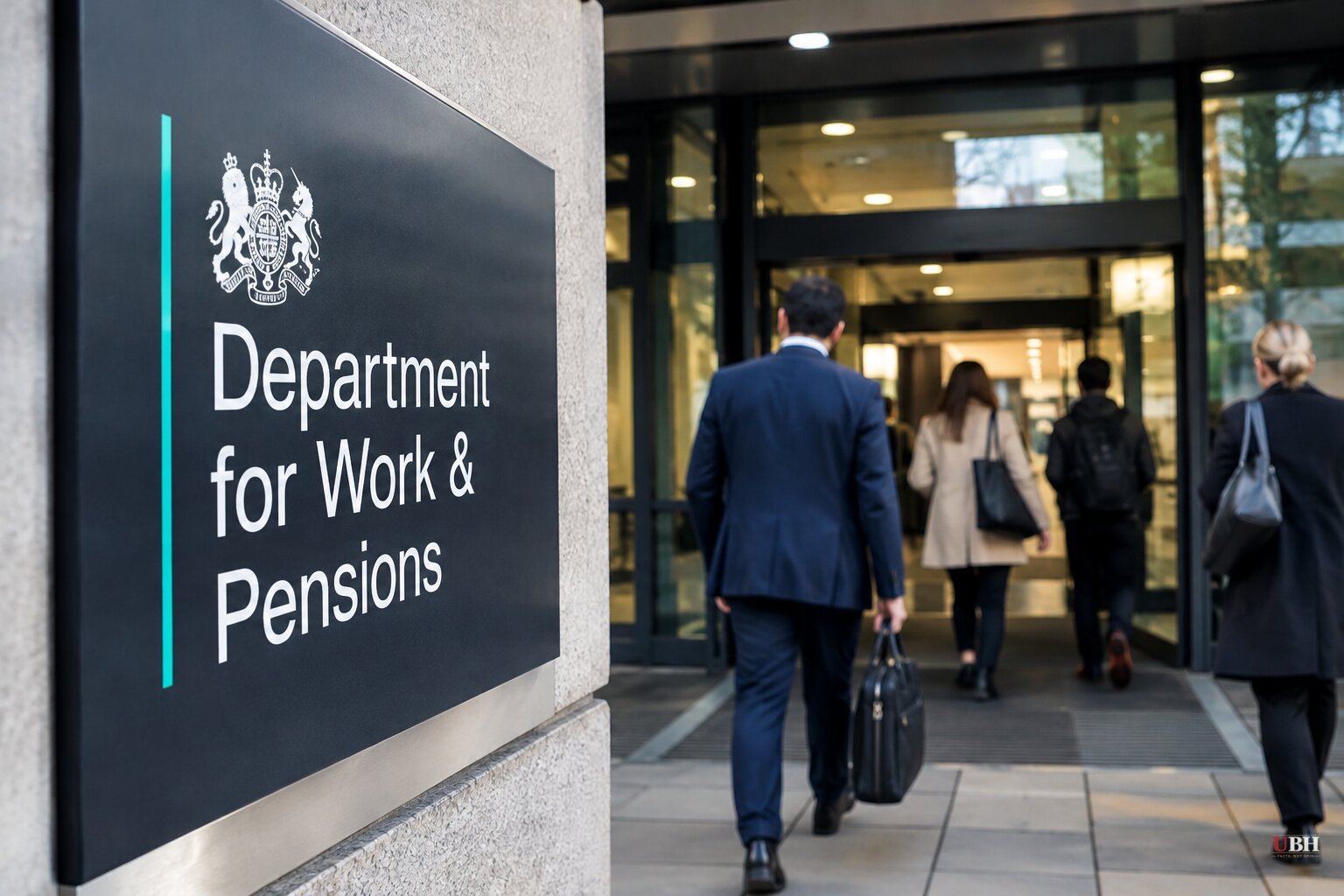
UK unemployment fell to 4.7% in the three months to August, down from 4.9% in the three months to July, the Office for National Statistics said today, Oct. 20. It is the lowest rate since the three months to July 2025.
Most economists had expected the opposite. City economists had forecast a rise to 5%.
The ONS counted 1.71 million unemployed people, 47,000 fewer than the previous quarter.
A better number for the Chancellor, with caveats
The figures land ahead of Chancellor of the Exchequer John Healey's first budget on Oct. 28. He needed some good news and got it.
The ONS's more timely payroll data shows the number of employees on payrolls rose by about 13,000 between August and September, to 30.3 million. That follows a revised rise of 1,000 between July and August. The ONS stressed the figures are provisional and likely to be revised.
David Freeman, the ONS deputy director of labour market statistics, said the labour market "remains broadly flat in 2026." Payroll numbers are still slightly down over the year, he said, though the latest month suggests that "might be starting to level off."
Vacancies keep sliding
The less comfortable number is vacancies. They fell by 21,000 to 691,000 in the three months to September. That is the biggest drop since the start of the year and a five-year low.
Outside the Covid years, vacancies have not been this low since 2014. Construction saw the largest fall.
The ONS said the pullback was concentrated among smaller businesses, which cite higher labour costs. Businesses have been hit by increases to National Insurance contributions and the minimum wage. Energy costs have also spiked since the start of the Iran war.
Suren Thiru, chief economist at the Institute of Chartered Accountants in England and Wales, called the labour market "running on idle." He said employers are limiting recruitment and pay awards "in response to surging cost pressures and pre-budget policy uncertainty." The continued fall in vacancies, he said, is "a flashing red warning light."
Ben Harrison, director of the Work Foundation at Lancaster University, said the drop in unemployment "should not make the government complacent." He said the UK is "still amidst a jobs drought with vacancies at their lowest for over 12 years outside of the pandemic."
Young people and pay
The ONS estimated 715,000 unemployed people aged 16 to 24, down 28,000 on the quarter. Harrison noted that figure is still 54,000 higher than a year ago.
Youth joblessness is the government's stated priority. Prime Minister Andy Burnham wrote in The Times on Sunday that around one million 16- to 24-year-olds are not in employment, education or training. He warned Britain faced an economic catastrophe and moral failure. "We either invest in the success of our young people or pay for failure through the benefits system," he wrote.
A government-commissioned review led by former Labour cabinet minister Alan Milburn is due to publish proposed solutions next month. The government outlined plans on Monday to recruit thousands more apprentices under 25 in sectors such as accounting, law and consulting.
On pay, average regular earnings growth, excluding bonuses, rose to 3.7% in the three months to August. Total pay including bonuses fell to 3.7%, which was the lowest rate in nearly six years.
Inflation and rates
Wage growth remains above inflation, which was 3.1% in August and is expected to rise to 3.4% when September figures are published Wednesday.
Bank of England interest rate setters fear that higher-than-expected inflation will translate into higher pay awards, fuelling future price rises. The Bank is widely expected to raise interest rates at next month's meeting of the monetary policy committee. The pound rose about half a cent against the dollar after the data, to $1.3352.
Richard Carter, head of fixed interest research at Quilter Cheviot, said signs of stabilisation are welcome but "the recovery remains fragile." He said the government "will not want to do anything that further discourages businesses from hiring."
What Healey faces on Oct. 28
With inflation rising and government bond yields reaching multi-decade highs, Healey has pledged to maintain strict fiscal discipline. Burnham has set the stage for difficult decisions in the budget. The Guardian reported that Healey is set to reject calls to raise capital gains tax.
The tension is plain in the data. Employers say rising employment costs are the reason they are hiring less. Danni Hewson, head of financial analysis at AJ Bell, said smaller firms say increased labour costs are preventing them from hiring, and that businesses have renewed calls for the Chancellor to step in. Maxine Bligh, interim chief executive of the Recruitment and Employment Confederation, said jobseekers and the Chancellor will hope the budget comes at the right moment to boost business confidence, particularly among smaller firms facing higher employment costs.
The next checkpoints are Wednesday's inflation figures, the budget on Oct. 28, the Milburn review next month and the Bank of England's rate decision.
Sources used for this briefing
8 links from 6 independent newsrooms (syndicated copies of the same report count once)
These are the sources it draws on, linked so you can verify.


