
Unbiased headlines. Facts, not spin.
Unbiased Headlines is an independently owned news organization. We bring you the facts, not opinions, written fresh from 110+ named sources. Sources linked so you can verify it yourself.
 economy
Major Story (7/10)
Fed's Daly Says Rates Will Need to Rise Further With Inflation at 3.7%
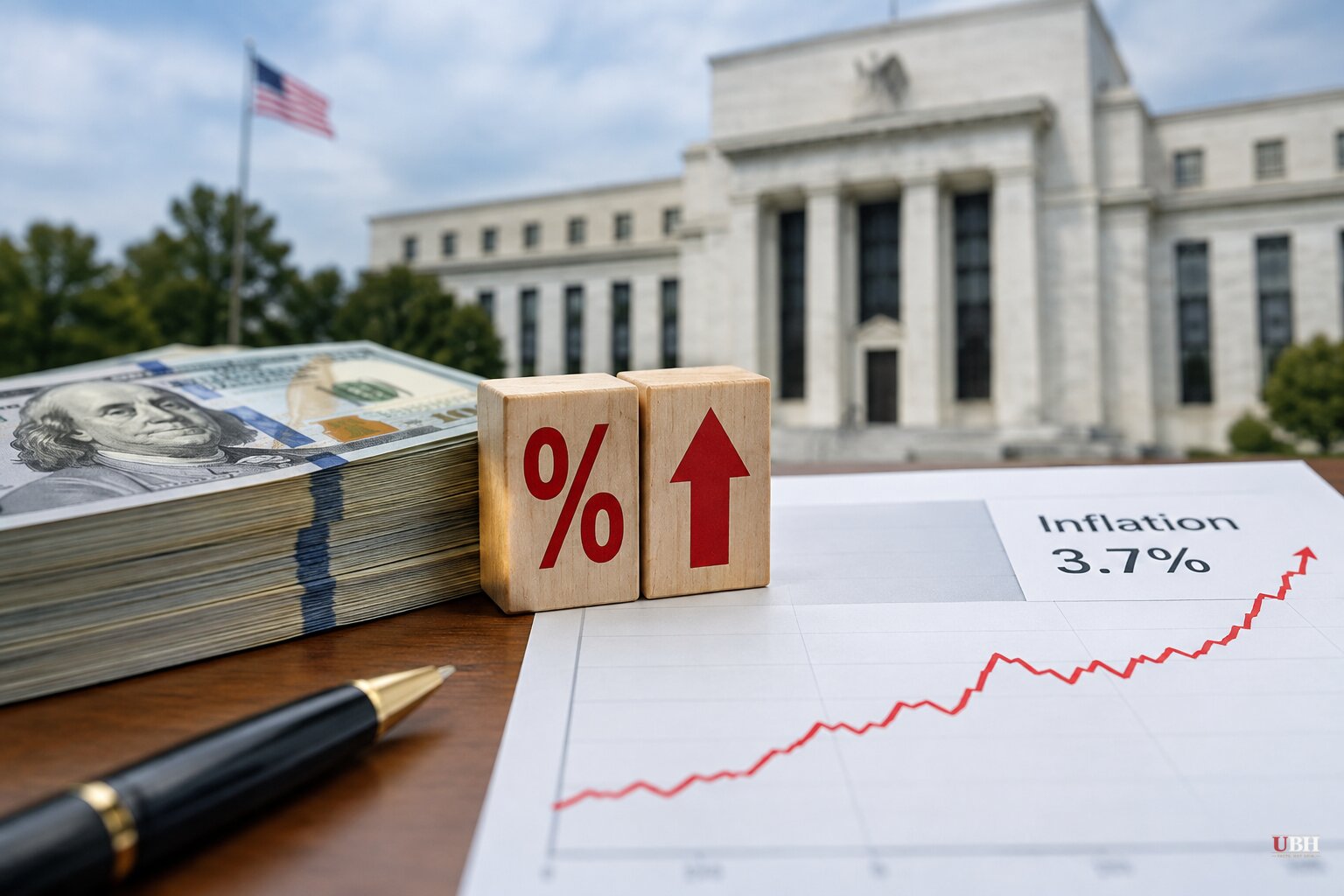
San Francisco Fed President Mary Daly said today, Nov. 6, that more rate hikes are coming. "My expectation is, we're going to have to tighten policy further," she told CNBC.
She did not say when or by how much. "More is likely to be needed and certainly we're prepared, I'm prepared, to do that, if that's what the economy calls for," Daly said.
Where rates stand
The federal funds rate sits at 3.75% to 4.00%. The Fed raised it a quarter point in September, its first increase in three years. That reversed the rate cuts of late 2024 and 2025, which were driven by fears of a weakening labor market.
At the Oct. 27-28 meeting, the Fed held steady. Two officials dissented: Governor Lisa Cook and Cleveland Fed President Beth Hammack both wanted another quarter-point increase.
Daly does not vote on the Federal Open Market Committee this year. She becomes a voter in 2027.
The inflation numbers
Consumer prices rose 3.7% year over year in September. Excluding food and energy, the rate was 2.6%.
The Fed's preferred gauge, the personal consumption expenditures price index, was up 3.4% in August, the same as July. It was 3.5% in June and 3.8% in May. Inflation has run above the Fed's 2% target since March 2021.
Higher gasoline prices have pushed up inflation this year. More recently, price pressure has spread to a wider range of goods and services, which raises the concern that inflation is becoming entrenched. Daly said services inflation is "not coming down in the way we would expect."
Jobs, wages and the AI selloff
Daly called the latest jobs report good news and said the solid labor market gives the Fed "latitude" to focus on inflation. She said she wants more confidence that inflation is coming down before easing off.
She also said wage growth is not booming and real wages are falling. Paychecks are not keeping up with prices.
On the recent slide in AI-related tech stocks, she called the volatility "painful" but said the repricing has been orderly so far. If it signals slowing demand, growth could come down a little, she said, though she is not worried about a substantial decline. She described the adjustment as the kind of rebalancing "you would hope for."
Daly also said she thinks rates are somewhere between slightly restrictive and neutral. She named tariffs, war and AI as sources of uncertainty, and she said she expects the Fed to be "deliberate but more gradual" when the destination is unclear.
Not everyone wants to move fast
The committee is not arguing about direction so much as speed. Jay Woods, chief market strategist at Freedom Capital Markets, told The Epoch Times before the October meeting: "The argument is about the pace of tightening, not necessarily its direction." He said policymakers can let the September move work while they watch whether inflation keeps broadening.
Governor Christopher Waller said in an Oct. 8 speech that he expects more hikes but sees "some flexibility about when those hikes will occur." They "do not need to come at consecutive meetings," he said.
New York Fed President John Williams said he is penciling in one more hike this year and none next year.
The case for patience also rests on a soft September jobs report. The economy added 29,000 jobs against a consensus forecast of 90,000, and unemployment ticked up to 4.2%. Daly's comments today concern the newer jobs report, and she read it as strong enough to support tightening.
Warsh's meeting overhaul
Fed Chair Kevin Warsh announced at the October press conference that, starting next year, one of the Fed's eight meetings will focus on broader economic questions and monetary strategy rather than rate decisions. The Fed will issue no post-meeting statement after that session. Warsh said he expects such strategy meetings to expand to twice a year in 2028.
The Fed's October statement said economic activity is expanding at a strong pace and that inflation remains elevated.
What comes next
After the October hold, CME Group's FedWatch tool put the odds of a December quarter-point hike at about 88%. Before the meeting, the figure was 74%. Futures also priced another hike in March.
The open question is whether the committee moves in December or lets September's increase work through the economy first. Daly, Cook and Hammack lean toward acting. Waller and Williams have pointed to more room on timing. More inflation and jobs data will land before the December meeting.
The pressure falls on the Fed's own words: Daly said "inflation has to be number one priority" while real wages are shrinking.
Sources used for this briefing
7 links from 7 independent newsrooms (syndicated copies of the same report count once)
These are the sources it draws on, linked so you can verify.


