
Unbiased headlines. Facts, not spin.
Unbiased Headlines is an independently owned news organization. We bring you the facts, not opinions, written fresh from 110+ named sources. Sources linked so you can verify it yourself.
 economy
Notable (5/10)
U.S. News Survey: 65% of Americans Plan to Cut Necessities Spending to Pay for Holiday Gifts
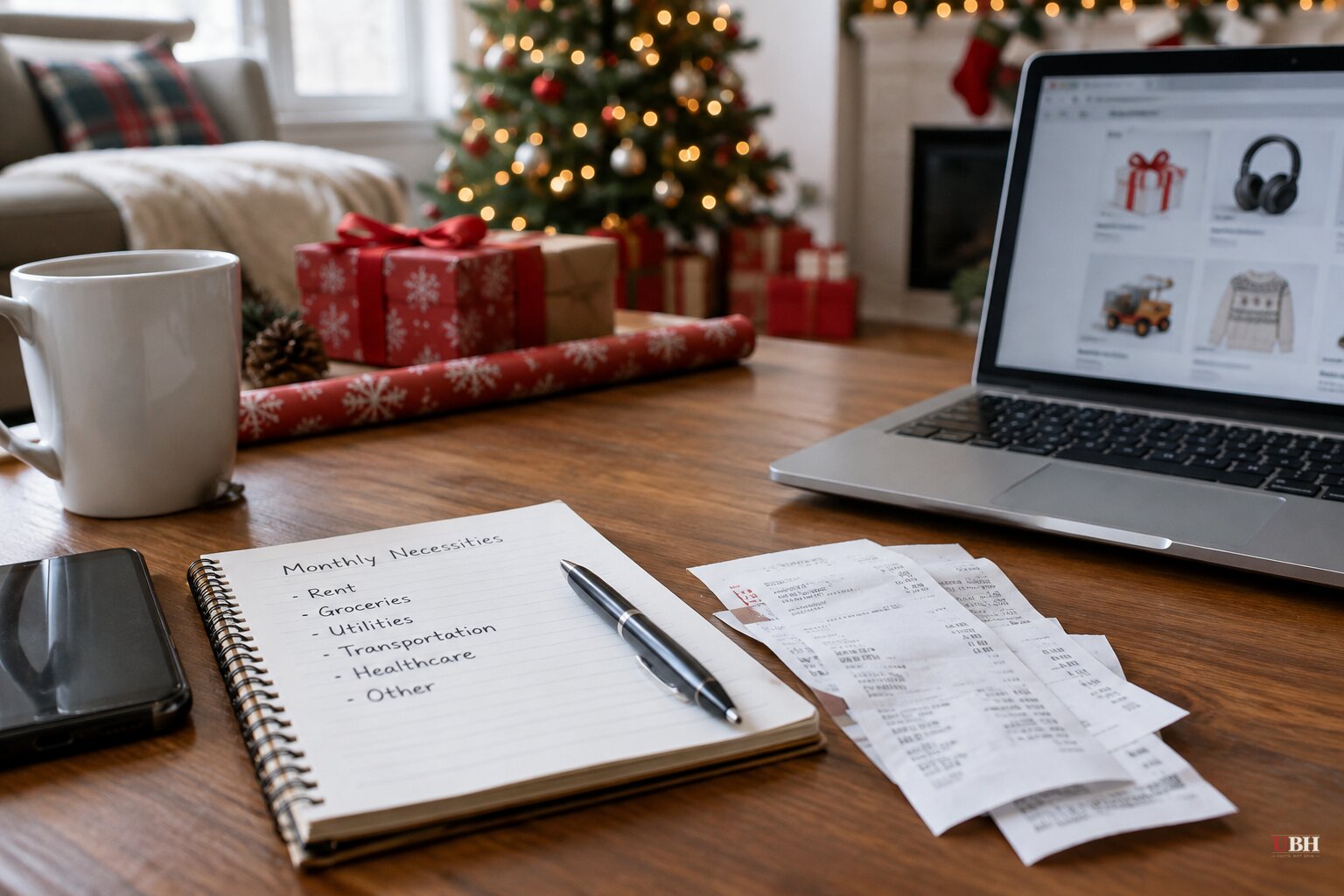
Americans are heading into the holidays with a plan: spend on gifts, trim everything else.
A new survey from U.S. News & World Report found 65% of Americans plan to reduce spending on necessities so they can afford holiday shopping. U.S. News consumer analyst Adriana Ocañas discussed the findings on CBS Mornings this weekend.
That is the headline number. The detail underneath it comes from other polling taken this fall.
Where the cuts are landing
The 2026 Thrivent Holiday Spending Survey, conducted by Ipsos among 2,158 U.S. adults between Sept. 29 and Oct. 8, found 68% plan to cut back on at least one holiday expense. That is roughly level with 2025.
Dining out is the top target at 44%. Gifts for family and friends follow at 32%, and travel at 31%.
The gift cutters are changing how they shop, not just where. Among those reducing gift spending, 66% plan to buy fewer presents overall, up from 56% last year. Another 46% will buy for fewer people, up from 37% in 2025. About half, 51%, plan to pick cheaper items.
Thrivent's survey also found 38% of Americans are more anxious about managing holiday finances than in prior years. Among that group, 75% blame the rising cost of everyday items. Across all respondents, 72% said inflation is hurting their household finances, and 71% said gasoline prices are weighing on them.
Gift budgets hold, purchasing power does not
Gallup's survey puts the average planned holiday gift spend at $1,011 this year. That is broadly in line with recent years. Because prices are higher, the same money buys less.
That is the squeeze the polls describe: the gift budget stays put, so something else gives.
Travel takes the biggest hit
Airfares are the clearest pressure point. The Bureau of Labor Statistics Consumer Price Index shows airline ticket prices up 23.4% year over year.
NerdWallet's 2026 Holiday Travel Report found 31% of Americans plan to forgo things like flights and hotels this holiday season. NerdWallet put that at a 22% increase over last year. The report cites higher jet fuel costs, reduced flight capacity among carriers and strong consumer demand as drivers of the price rise.
A Points Guy survey conducted with YouGov found 55% of respondents don't plan to travel for the 2026 holidays. Among those who do, high airfare was the top concern.
Thrivent's data points the same way. Among respondents cutting back on travel, 60% say they won't travel at all during the holidays, up from 56% in 2025.
Sally French, NerdWallet's travel expert, pointed to the loss of a budget carrier. "The end of Spirit Airlines this year was especially tough for budget travelers, who relied on the no-frills airline for the cheapest fares," she said. "Even for people who don't actually fly with Spirit, that elimination of competition has led to rising airfares across airlines."
Not everyone is staying home
The picture is not uniform. NerdWallet found 42% of Americans still plan to travel, spending an average of $2,439 on flights and hotels. In 2025, 45% said they planned to travel, so that share has barely moved.
Parents are the main reason. About 62% of parents with children under 18 plan to spend on flights and hotels, compared with 33% of Americans who aren't parents.
They are looking to save where they can. Of those parents, 18% said they would accept a less convenient route, such as a late-night flight or a bad connection, to cut costs. Only 8% of non-parents said the same. NerdWallet also found about 26% of parents plan to use points toward their trip.
What the numbers can't tell us
These are stated intentions, collected in late September and early October. They are not sales data. Households that say they will cut back on necessities may find the choice easier on a survey form than at the checkout line.
The polls also come as Democrats won control of Congress in this week's midterm elections, and affordability is now a question for the incoming majority. NPR put that question to MIT economist Daron Acemoglu this week. No one has yet shown what, if anything, a new Congress can do to bring grocery, utility or airfare costs down before the holiday rush.
The first hard test is the holiday sales results. They will show whether shoppers followed through on trimming essentials to keep gifts under the tree.
Sources used for this briefing
7 links from 5 independent newsrooms (syndicated copies of the same report count once)
These are the sources it draws on, linked so you can verify.


