
Original briefings. Zero spin.
Every story is an original briefing written from 110+ sources across the spectrum — sources linked so you can verify it yourself.
 finance
Major Story (7/10)
Event date: July 28, 2026 at 12:00 PM
finance
Major Story (7/10)
Event date: July 28, 2026 at 12:00 PM
Fed Minutes Show Broader Support For Rate Hikes, But July Data Since Has Undercut The Case
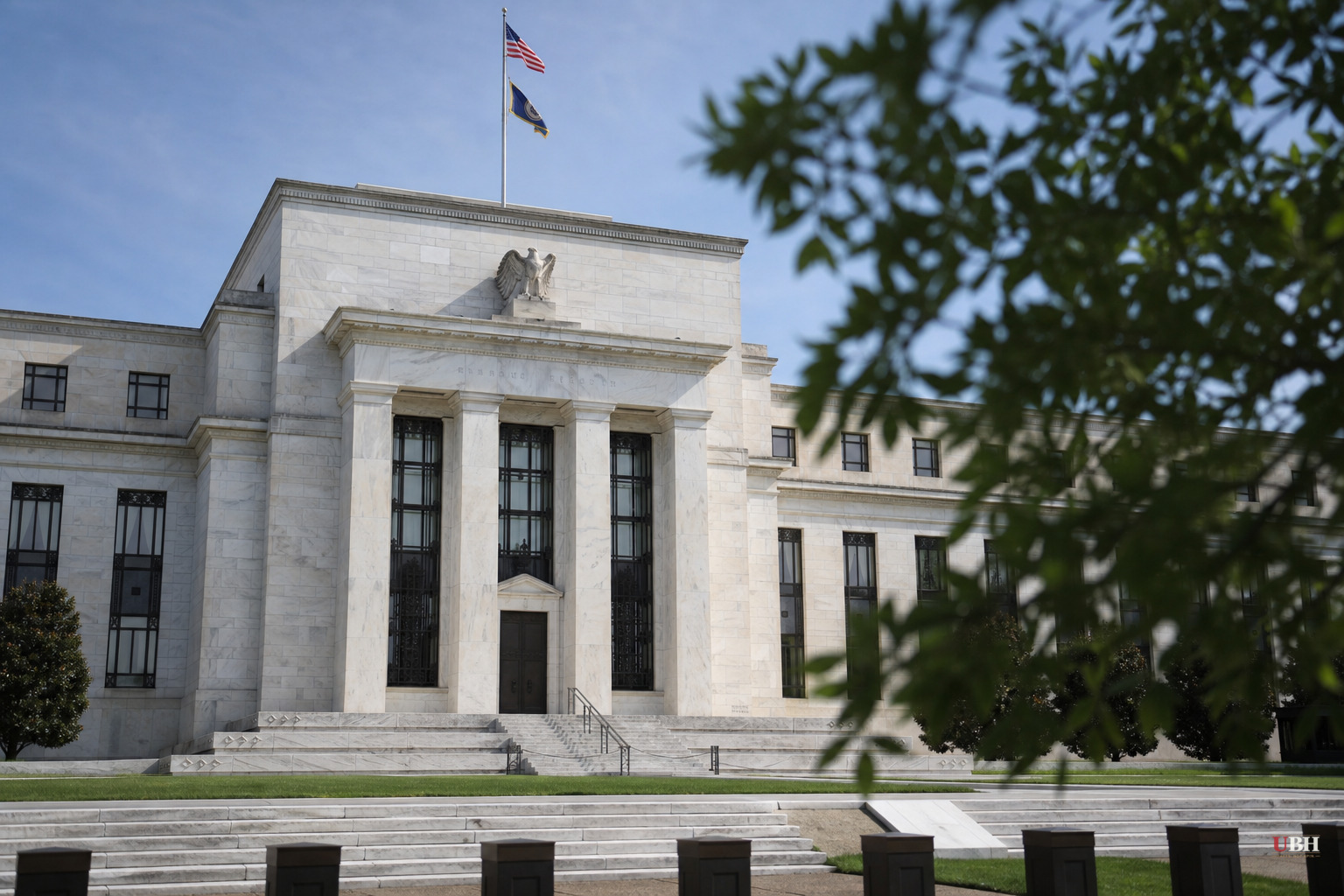
The Federal Reserve released minutes Wednesday from its July 28-29 meeting, and the takeaway is simple: more officials wanted to raise rates than the 9-3 vote let on.
The FOMC held its target rate at 3.50%-3.75% at that meeting. Three regional bank presidents dissented and wanted a quarter-point hike instead: Beth Hammack of the Cleveland Fed, Neel Kashkari of Minneapolis, and Lorie Logan of Dallas, according to Yahoo Finance. No Board of Governors members joined them.
But the minutes show the hawkish camp was bigger than three votes. "Many participants assessed that policy tightening would likely be necessary if inflation did not decline," the minutes state, as reported by WSLS. "Several participants" said they favored a hike outright at the July meeting. Some officials went further, arguing current rates aren't even restrictive enough to get inflation back to the Fed's 2% target.
The headline vote count didn't capture the broader hawkish sentiment. "Several" and "many" are the Fed's own vague language, not a disclosed vote count. There are 19 total Fed officials but only 12 vote in any given year, so the minutes describing a broader mood doesn't translate cleanly into hard numbers. Bloomberg reported, per Yahoo Finance, that Kansas City Fed's Jeffrey Schmid and St. Louis Fed's Alberto Musalem, neither of whom had a vote in July, said afterward they'd have backed a hike too.
What's driving the inflation worry isn't the usual suspects. Officials pointed to three things: leftover tariff effects, the Middle East conflict pushing up energy and input costs, and demand from the AI buildout, according to TradingKey. Officials flagged "marked price increases" in data-center materials like chips and steel, with knock-on effects hitting smartphones, computer equipment, software and electricity prices. That's a new wrinkle for Fed-watchers: AI capital spending showing up as a measurable inflation risk in an FOMC document.
Total PCE inflation ran 4.1% in May with core PCE at 3.4%, Yahoo Finance reported, well above the Fed's 2% target. Officials called their inflation outlook "highly uncertain" with risks "skewed to the upside." Core CPI did cool to 2.5% in July, but the Fed watches PCE more closely, and that report lands August 26.
These minutes describe where the committee stood three weeks ago, not where it stands now. Since the meeting, nonfarm payrolls fell in July and inflation data came in softer than expected, according to Yahoo Finance. Wall Street has since pulled back its bets on a September rate increase and now expects the Fed to hold, with a possible hike in December, per WSLS.
ZeroHedge's coverage leaned hard into the idea that the Fed's editorial process lets officials "selectively underscore certain messages," suggesting the minutes were dressed up hawkish on purpose given bond market pressure. That's a fair institutional-skepticism point to raise. Ag Bull Trading's analysis noted "little reaction" in markets after the minutes came out, which cuts against the idea that this was some stealth hawkish surprise.
New Fed Chair Kevin Warsh has also unsettled markets by refusing to offer forward guidance. Warsh floated the idea of cutting the Fed's meeting schedule to six times a year instead of eight, giving more time between decisions for data to accumulate, TradingKey reported. The committee rejected making that change this year. At his July 29 press conference, Warsh didn't commit to any direction on rates even if inflation stayed elevated, which longer-term Treasury yields didn't love.
The labor market, notably, isn't the worry here. Unemployment sat at 4.2% in June with payroll growth running ahead of last year's pace, per Yahoo Finance, before the July jobs report came in weak. Most officials expect inflation to ease later this year as tariff and energy effects fade, but "many" warned it could stay stickier than hoped if the Middle East conflict drags on and supply chains take another hit.
The next real test comes August 26, when the July core PCE report lands. If that number runs hot, the hawks who spoke up in July get real ammunition heading into the Fed's next meeting in September. If it runs cool, alongside more soft jobs data, the case for a hike this year gets harder to make no matter how many officials wanted one three weeks ago.
Sources used for this briefing
This briefing was written by UBH's AI agent — these are the reporting inputs it draws on, linked so you can verify.


