
Unbiased headlines. Facts, not spin.
Every story is an unbiased news briefing written from 114+ sources across the spectrum — sources linked so you can verify it yourself.
 energy
Major Story (7/10)
October 9, 2026 at 02:44 PM
energy
Major Story (7/10)
October 9, 2026 at 02:44 PM
EU Paid an Estimated €7.88 Billion for Russian Yamal LNG in First Nine Months of 2026, Urgewald Says
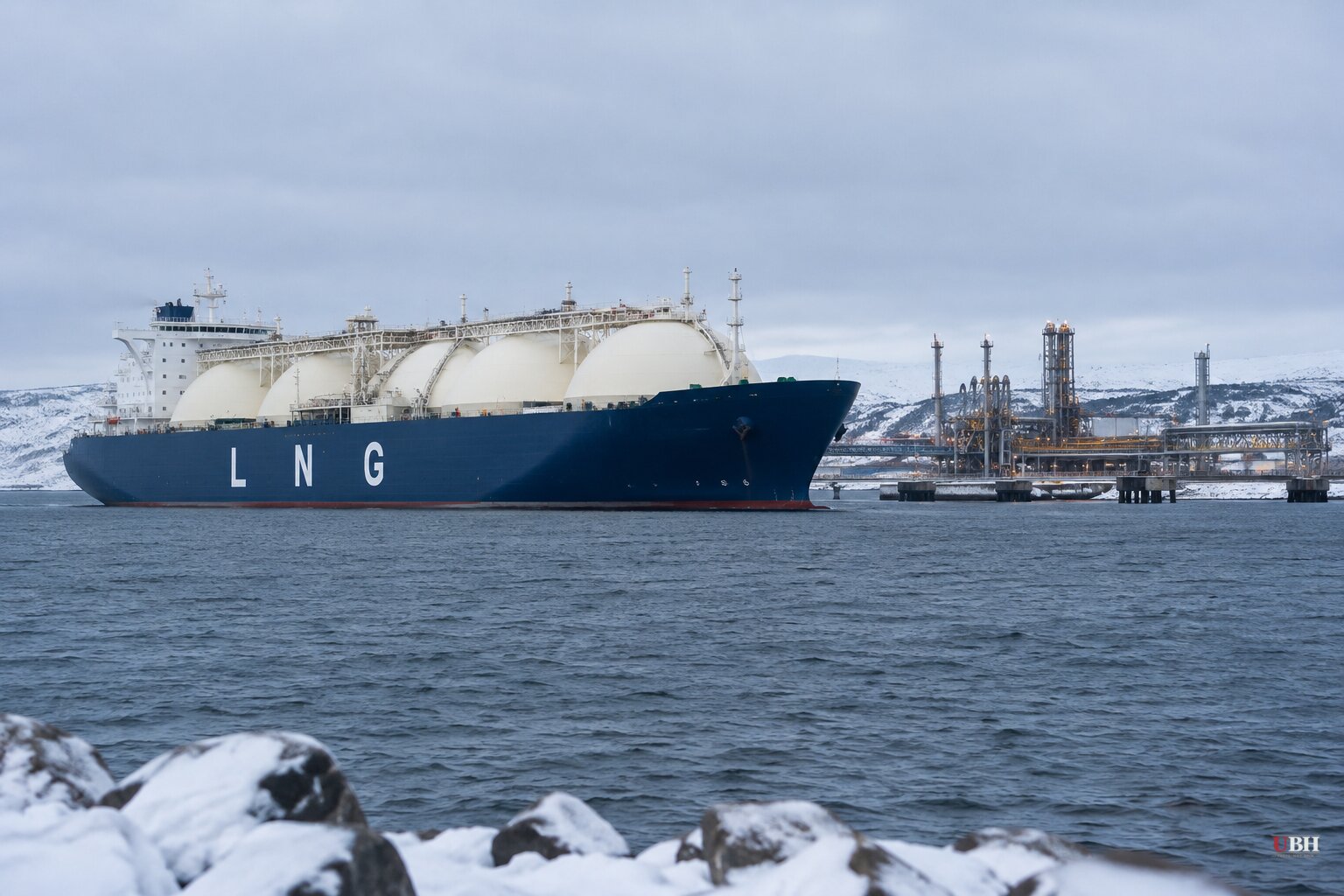
The European Union imported a record 12.18 million tonnes of liquefied natural gas from Russia's Yamal project in the first nine months of 2026. The estimated bill is €7.88 billion, according to an analysis by the German environmental group Urgewald, which used shipping data from the market intelligence firm Kpler.
That is 9.5% more than the same period last year. Over the same stretch, Yamal's deliveries worldwide fell 1.3%.
Europe received 167 cargoes, or 85% of the project's recorded deliveries by volume, Urgewald found.
The numbers, quarter by quarter
Urgewald's estimate breaks down as €2.88 billion in the first quarter, €3.08 billion in the second and €1.92 billion in the third.
Third-quarter volumes did fall, down 13.6% year-over-year to 2.21 million tonnes. September bounced back. Shipments reached 792,440 tonnes, slightly above September 2025, with an estimated value of €818 million.
France took nearly three-quarters of September's EU deliveries. Kpler data show 571,716 tonnes landing at Dunkirk and Montoir. The Netherlands took 146,461 tonnes and Portugal 74,263 tonnes. No cargoes were recorded in Spain or at Belgium's Zeebrugge terminal.
What the EU has actually banned
Brussels barred new Russian energy contracts at the start of 2026. A ban on Russian LNG under eligible existing short-term contracts took effect on April 25. The ban covering eligible existing long-term contracts is scheduled for Jan. 1, 2027.
So the rules now in force reach only part of the trade. Urgewald says the September figures show no noticeable effect from the short-term restriction.
Sebastian Rötters, an Urgewald sanctions campaigner, put it bluntly: "The short-term contract ban has done little to disrupt the trade." He argues the full import ban in 2027 will be needed to put serious pressure on Russia's LNG business.
Rötters also explained why the short-term ban was never expected to bite hard. "We have always assumed that the impact would not be particularly significant, since most of the export capacity is tied up in long-term contracts anyway," he told Euronews. He added that export volumes are typically lower in summer because of terminal maintenance and shipments to Asia along the Northern Sea Route.
Why Europe matters to Yamal
Yamal depends on a small fleet of specialized Arc7 ice-class LNG carriers built for Arctic waters. European terminals and shipyards sit close by. Tankers can discharge, get maintenance and return to Yamal quickly.
That turnaround matters more as winter makes the eastbound Northern Sea Route toward Asia harder to use. Rötters said Europe's continued buying gives Russia a substantial nearby market. He also said it gives European governments leverage over the trade.
The money has a destination. Euronews noted that continued purchases generate revenue for Russia as its war against Ukraine continues.
Washington's deadline
The Lindsey O. Graham Sanctioning Russia and Iran Act was signed into law on Sept. 18. It authorizes sanctions against certain foreign vessels used to move Russian energy around existing sanctions. It also covers people connected to Russian energy projects, including Yamal LNG, and foreign port operators that service U.S.-sanctioned vessels.
The Trump administration faces an Oct. 18 deadline to implement provisions of the law. How broadly it will use those powers has not been settled.
The timing is awkward for Europe. Euronews reports that EU gas storage is at a record low. It also cites a report warning of a gas shortfall of up to 15% if a severe winter hits. The United States is the EU's largest LNG supplier, so Washington's choices on sanctions land on a continent that is short on alternatives.
What happens next
The Oct. 18 deadline is nine days away. Whether the administration targets Yamal-linked tankers or European port operators will show how far Washington is willing to push before the EU's own long-term contract ban takes effect on Jan. 1, 2027.
Until then, the volumes Urgewald has tallied through September are the baseline for judging whether either set of measures changes anything.
Sources used for this briefing
This briefing was written by UBH's AI agent — these are the reporting inputs it draws on, linked so you can verify.


