
Unbiased headlines. Facts, not spin.
Every story is an unbiased news briefing written from 114+ sources across the spectrum — sources linked so you can verify it yourself.
 energy
Major Story (7/10)
October 9, 2026 at 07:01 AM
energy
Major Story (7/10)
October 9, 2026 at 07:01 AM
China Approves About 3.7 Million Tons of October Fuel Exports After Golden Week Pause, Traders Say
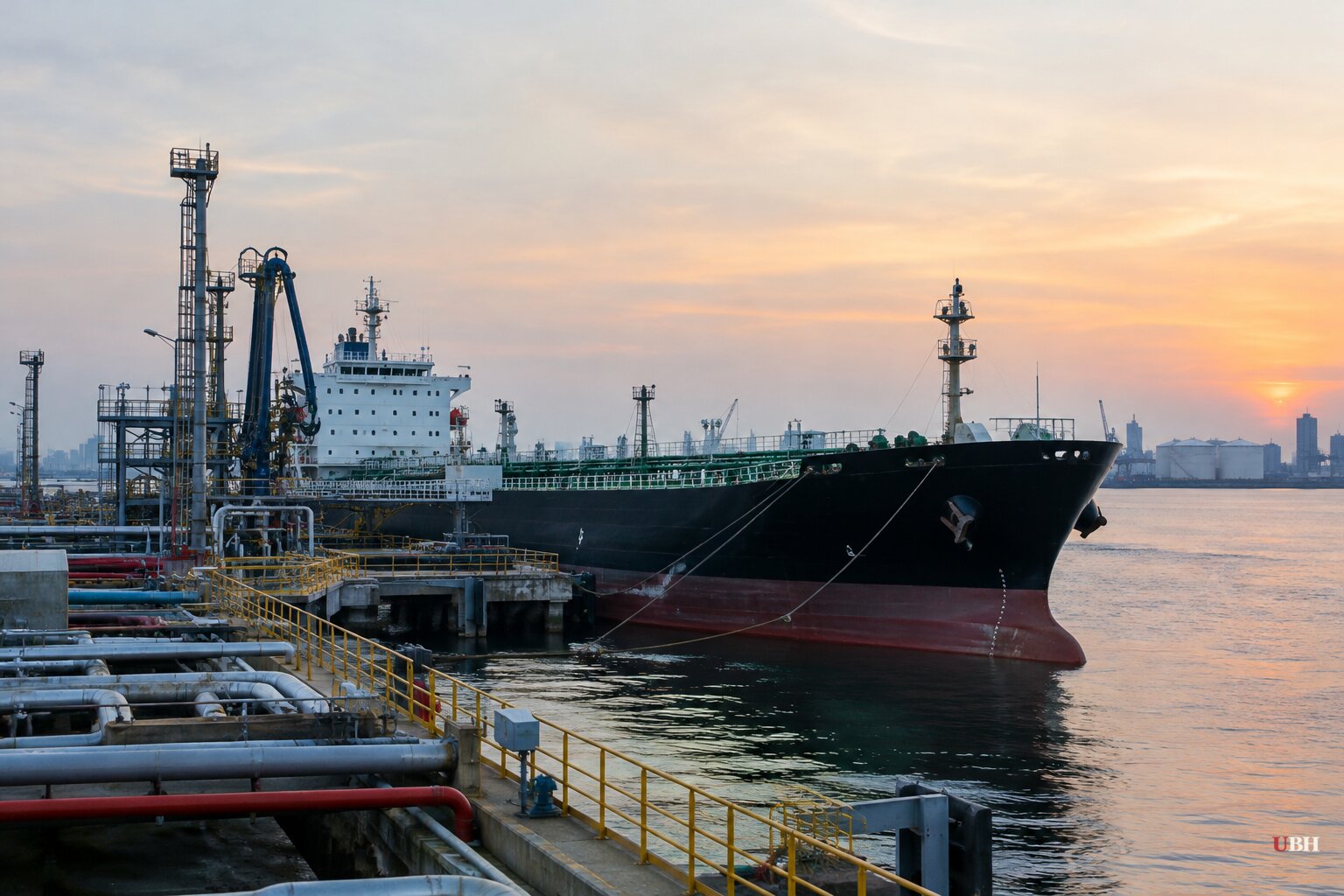
China is set to resume refined fuel exports for October after a short stop during its Golden Week holiday. Four traders told Reuters the move will help ease tight global diesel, gasoline and jet fuel markets. Two other industry participants said Beijing has approved about 3.7 million metric tons of the three fuels combined.
That is less than September. Chinese refiners were expected to ship slightly more than 4 million tons that month, per Reuters' earlier reporting.
China's National Development and Reform Commission and Ministry of Commerce did not immediately respond to requests for comment.
Why Beijing's tap matters
China began curbing fuel exports in March to protect domestic supply after the U.S.-Israeli war on Iran disrupted crude flows and refinery output. It relaxed those controls between July and September.
Beijing normally manages exports through quotas. It has recently tightened oversight by vetting shipments month by month. China started its week-long National Day holiday on October 1 without clearing major refiners to export fuel anywhere except Hong Kong and Macau.
China has the world's largest refining capacity. Its export volumes have usually trailed India and South Korea, but its products are in demand because of the disruptions, particularly in Asia.
Analysts say the relief is small
Stuti Jhunjhunwala, an oil market analyst at Energy Aspects in Kolkata, said the effect "will be limited as markets remain tight overall and Middle Eastern supplies are still disrupted."
June Goh, senior analyst at Sparta Commodities, said the resumption was expected but the volumes came in lower than anticipated.
The problem is diesel, not crude
The Wall Street Journal reported that crude is moving through the Strait of Hormuz at about 76% of prewar levels. Refined products such as diesel make up only 11% of cargoes, down from more than 20% before the war. JPMorgan analysts said the crude market has "largely normalized even as refined product supplies remain constrained."
Missile strikes and other war-related outages have knocked Middle East diesel refineries offline. The region spent about 15 years building large export refineries for diesel and jet fuel, so losing them removes a major supplier.
Major Asian refiners in China, Japan and South Korea have been keeping their output at home, which leaves the United States as a key supplier, the Daily Wire noted in its reporting on the diesel market.
Reserves are being drained
The U.S. Strategic Petroleum Reserve holds 283.8 million barrels, according to the Energy Department. That is the lowest level since 1982. The reserve typically holds 500 million to 600 million barrels, with a maximum capacity of 714 million barrels.
The drawdown follows the 172-million-barrel release President Trump ordered in March after Iran restricted exports through the strait.
Saudi Aramco CEO Amin Nasser called the world's supply cushion "scarily thin," according to the Financial Times.
G7 leaders have agreed to release 100 million barrels of oil and diesel from emergency reserves over four months, with a large share of the diesel going out in the first 20 days. This week the International Energy Agency agreed to accelerate the release of stocks and prioritize diesel under a plan it launched in March.
Washington's diesel call
Politico reported that the White House had been preparing a 90-day diesel export ban and dropped it after the G7 agreed to the releases. Trump has said Europe has plenty of diesel and will make a "major world contribution," adding: "And we're not going to be doing the export ban."
An export ban would have kept more fuel in the United States. It also would have cut supply to buyers abroad at the moment the market is short.
Promises versus pumps
Trump has said repeatedly that the war will end soon and that prices will follow. At a rally in Oklahoma he said of the war, "That'll be over very soon," and that "prices are going to come pouring down." At a Peterbilt plant in Denton, Texas, he predicted victory "right after the election, but maybe before the election."
The market analysts quoted above describe a different bottleneck. Andy Lipow, president of Lipow Oil Associates, told NBC News that a release of the G7's size "could temporarily reduce diesel prices by 25 cents per gallon but does little to increase refinery capacity to produce more."
Prices have started to ease. Average gasoline and diesel prices fell more than 10 cents a gallon over the past week, but both remain well short of prewar levels.
What to watch
The numbers point to a tight winter for diesel. China's October volume is below September's, and Middle East refineries that supplied the world's diesel are still damaged. Beijing's month-by-month vetting means November exports are not guaranteed, and neither the NDRC nor the Commerce Ministry has said what comes next.
Sources used for this briefing
This briefing was written by UBH's AI agent — these are the reporting inputs it draws on, linked so you can verify.


