
Unbiased headlines. Facts, not spin.
Unbiased Headlines is an independently owned news organization. We bring you the facts, not opinions, written fresh from 110+ named sources. Sources linked so you can verify it yourself.
 energy
Major Story (7/10)
EU Negotiators Agree to Push Methane Import Rules Back Two Years, Committee Vote Set for Nov. 23
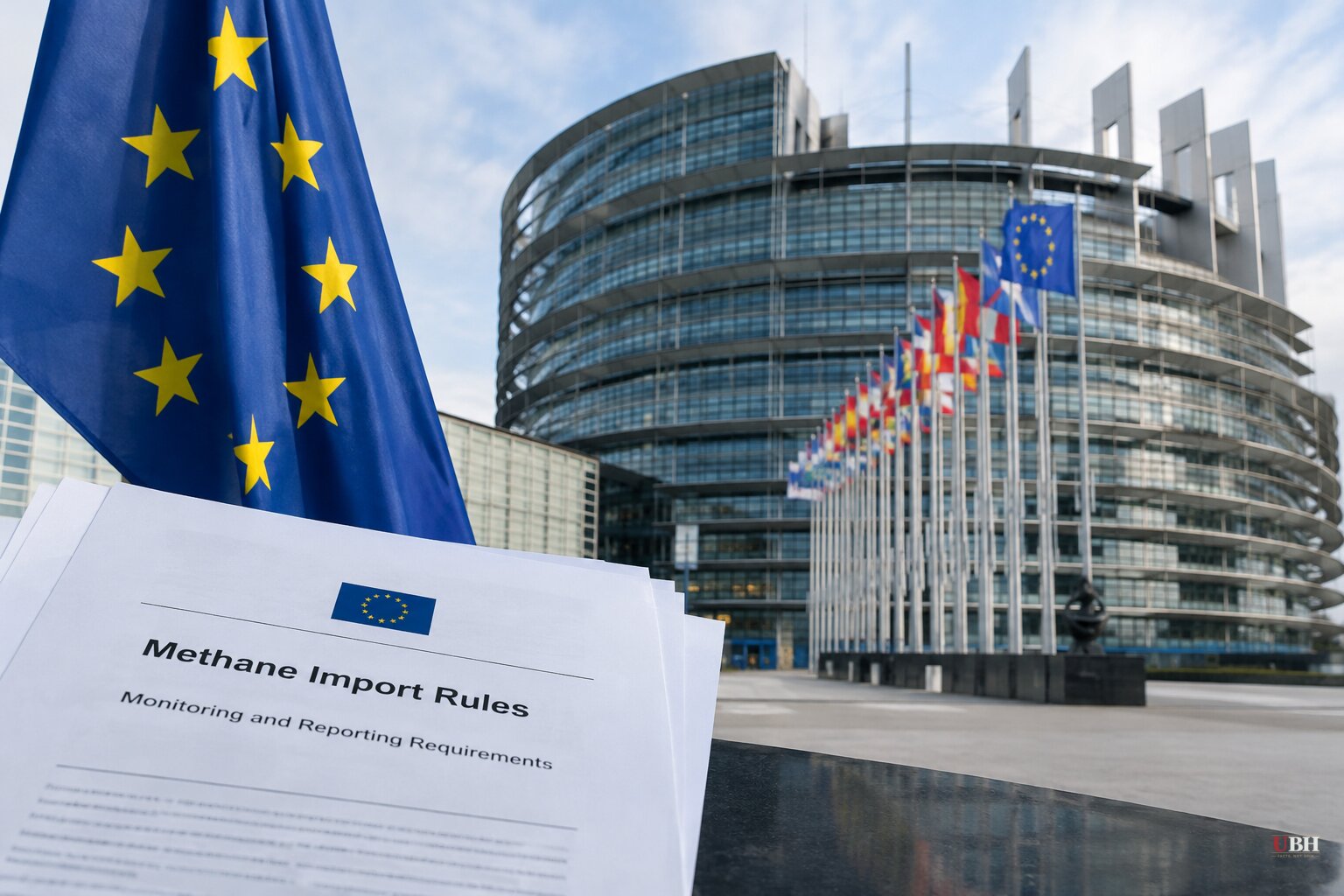
Negotiators from the European Parliament and EU governments reached a deal early Thursday, Nov. 19, to delay the bloc's methane rules for imported fossil fuels by two years.
Under the agreement, monitoring, reporting and verification duties for oil, gas and coal importers would apply from January 2029 instead of January 2027, according to the Council. Parliament says importers would then have until May 2030 to demonstrate compliance for supplies under contracts signed or renewed since August 2024. EU producers and importers would have until August 2030 to report methane intensity, the amount of methane emitted in producing the fuel they sell.
The deal still needs formal approval. Parliament's responsible committees are scheduled to vote Nov. 23, with a plenary vote expected the same week.
What the 2024 law requires
The EU's methane regulation, adopted in 2024, makes companies measure emissions and tackle avoidable losses. It also extends those requirements step by step to imported fuel. For an importer, compliance means getting evidence of how the fuel was produced abroad. Suppliers need systems to measure and report methane, with independent verification.
The delay covers specific deadlines. It does not suspend the regulation. The Commission is to review implementation by January 2028, including whether independent verifiers are available and whether supply risks have emerged.
A three-way split on how long
The Commission proposed a one-year postponement on Oct. 14. EU governments backed one year, plus a mechanism that could let the Commission postpone further if implementation pieces were not ready. Parliament wanted three years.
The Parliament position passed in October with 341 votes for and 225 against. The European People's Party, the largest group, pushed it through with far-right support after talks with the Socialists and Liberals broke down. Two years splits the difference between the Council and Parliament, though it exceeds both the Commission's offer and the Council's one year.
The stated reason is supply. EU countries cite high, volatile oil and gas prices and possible disruption from the US-Israeli war against Iran. Czech First Deputy Prime Minister and Industry and Trade Minister Karel Havlíček said the deal would prevent further increases in oil and gas prices.
Borys Budka, an EPP lawmaker from Poland and a lead Parliament negotiator, put it plainly: "We stand by the objectives of the methane regulation, but security of supply comes first." His Greek EPP colleague Dimitris Tsiodras, the Environment Committee negotiator, said: "We are not suspending the methane regulation but ensuring its effective implementation and that all compliance requirements can be met in practice."
Industry and exporters
Industry and some exporting countries have warned that too few suppliers could meet the requirements on time, and that enforcing the original dates could make fuel harder to source in a strained market. The EPP argued the original timetable was unrealistic and put European producers and importers at a disadvantage.
IOGP Europe, the oil and gas producers' trade group, welcomed the deal but called the timetable tight. "Without a conditional extension mechanism, Europe has no margin for error," Managing Director François-Régis Mouton de Lostalot said. The group says verification protocols and accreditation procedures still need to be finalised, verifiers accredited and producers independently verified. It wants the Commission and member states to publish a roadmap with milestones, since the framework must be operational by Jan. 1, 2029.
Environmental groups push back
The Greens accused conservatives of teaming up with the far right to weaken climate rules and protect fossil fuel interests. Environmental organisations argue that delay weakens incentives to cut emissions and penalises companies that prepared early, according to Parliament's research service.
Before the final deal, Clean Air Task Force called the Council's one-year position "a step in the right direction" but warned that "one year must mean one year," not "a rolling mechanism for continued delay." The group says the remaining gaps, such as accrediting verifiers and setting predictable penalties, are known and fixable. It also says more than 30 civil-society organisations urged the Commission to withdraw its proposal if the final deal undermined the regulation's core purpose.
The emissions backdrop
Methane is responsible for about 30% of current warming and traps roughly 80 times more heat than carbon dioxide over 20 years, according to CNN's reporting. The International Energy Agency says global methane levels hit unprecedented highs in 2025. It says about 35% of human-caused methane comes from the fossil fuel industry, with "still no sign" of decline, and that existing technology can cut around 70% of emissions from fossil fuel production. China was the largest methane emitter last year, mostly from coal mining, followed by the U.S. and Russia, the IEA found.
The EU rule asks foreign suppliers to prove what they are already supposed to be able to measure. Whether the system for doing that will exist by 2029 remains unclear. The Commission's review in January 2028 is the next checkpoint, and it carries the power to flag shortfalls in verifiers and supply risks before the new deadline arrives.
First, though, the Nov. 23 committee votes.
Sources used for this briefing
8 links from 8 independent newsrooms (syndicated copies of the same report count once)
These are the sources it draws on, linked so you can verify.


