
Unbiased headlines. Facts, not spin.
Unbiased Headlines is an independently owned news organization. We bring you the facts, not opinions, written fresh from 110+ named sources. Sources linked so you can verify it yourself.
 energy
Major Story (7/10)
Event date: November 4, 2026 ·
46 of 47 Data Center Ballot Measures in 2026 Favored Limits, Ballotpedia Count Shows
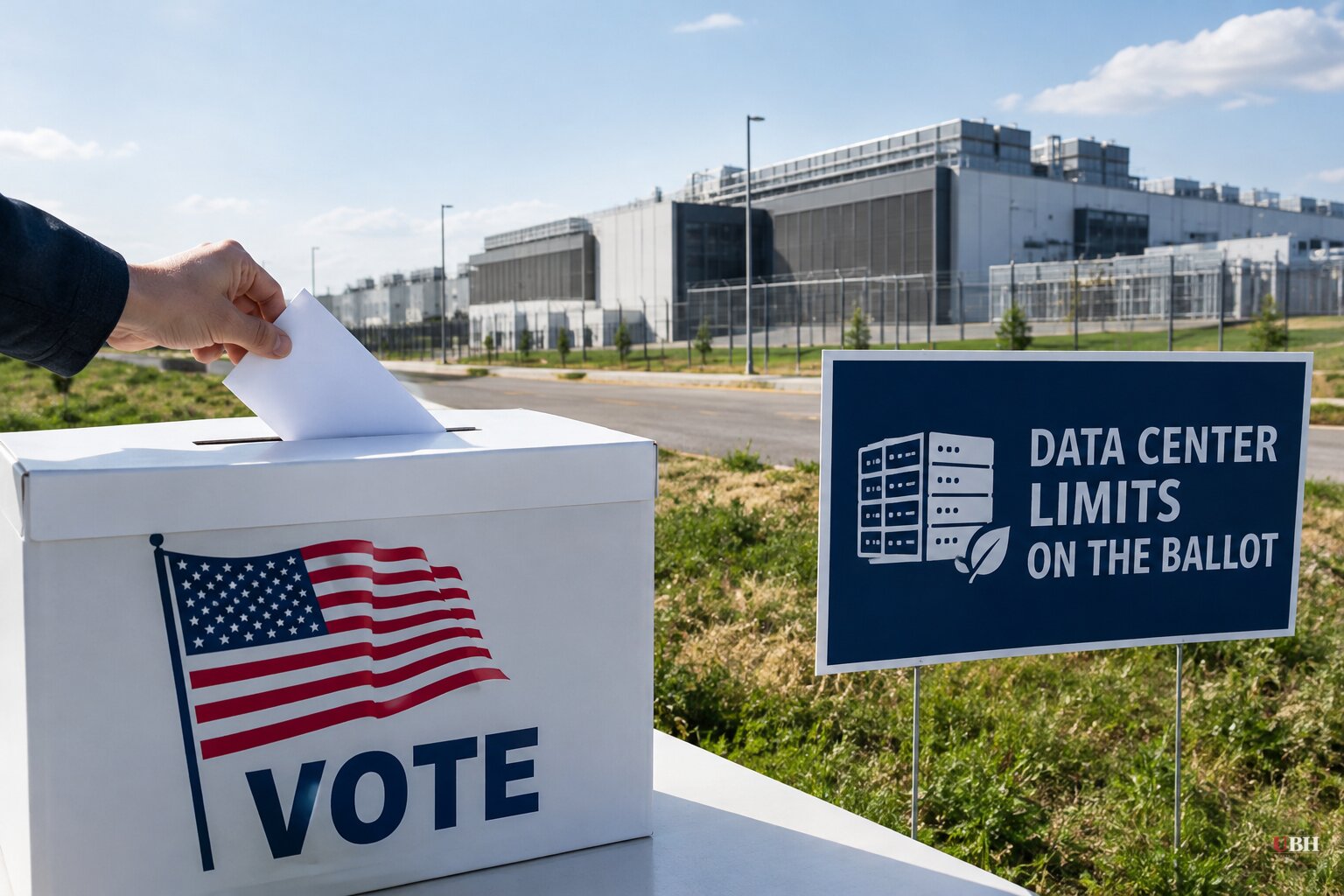
The midterms went badly for the data center industry at the local level, and the pattern is hard to miss.
According to Ballotpedia, 46 of the 47 data-center-related ballot measures decided in 2026 favored greater limits on development. NPR reported that nearly 30 jurisdictions voted to reduce or stop data center growth.
Campaign money and governors' races
Data centers were a staple of campaign advertising. AdImpact data shows campaigns large and small spent more than $380 million on TV ads that mentioned them. Democrats outspent Republicans on the topic by more than three to one.
The issue was not on most ballots and was not a top concern for most voters, according to the Associated Press. It tended to blend with the affordability fight over electricity prices.
Democrats flipped governorships in Texas, Ohio, Georgia, Nevada and Iowa, many of them data center hotspots, according to the AP. The AP also reported that Democrats took full control of state government in Wisconsin, Minnesota, Pennsylvania, Nevada and Michigan.
Data Center Watch, a project of the AI security consultancy 10a Labs, tracked the winners. It found 32 of 34 governors-elect in races the AP had called support stronger regulation or restrictions. Twelve of the 34 back bans or moratoriums.
Water, power bills and a moving position in Wisconsin
In Texas, Clayton Tucker became the first Democrat elected state agriculture commissioner since 1986. He told the AP that his pledge to fight data center development was critical to his win. Ranchers, he said, feared for their dwindling water supplies. "Whiskey's for drinking and water's for fighting," Tucker said.
Wisconsin Gov.-elect David Crowley, a Democrat, shifted during the campaign. He first opposed any moratorium. Under pressure from his Republican opponent, he later said he supported one, as well as abolishing the state's sales tax exemption for data center operators and developers.
Texas is murkier. Democratic Gov.-elect Gina Hinojosa is described by NPR as wanting a moratorium on all new data center projects. The AP reported that she has said she would block a permit for a data center if it wasn't a good deal for Texans or residents hadn't gotten a say. Molly Taft, a senior writer at WIRED, told NPR that Hinojosa campaigned on the idea that Gov. Greg Abbott was too soft on the industry. Taft said her platform leaves "a little bit of room to interpret what she actually wants." Abbott, Taft said, welcomed data centers for most of the past year before backing away from earlier statements as his reelection fight tightened.
The subsidy fight
The argument is moving to tax breaks. North Carolina Gov. Josh Stein, a Democrat, told Politico at the National Governors Association's New Governors Leadership Forum in Deer Valley, Utah, that the industry should be "paying their own way."
"I think the idea that this industry needs any public incentive is laughable. These are the wealthiest companies in the history of humanity," Stein said. He said electricity subsidies for data centers were rolled back earlier this year in North Carolina and that ongoing subsidies for equipment purchases should be phased out.
The Ohio campaign showed the same dynamic. Former Democratic Sen. Sherrod Brown spent millions on ads attacking Sen. Jon Husted, a Republican, over past support for data center tax incentives, according to the Epoch Times. Husted introduced the Ratepayer Protection Act, which passed the House with overwhelming bipartisan support. It fell short in the Senate, where it drew just a handful of Democratic votes. Senate Democrats said it did not go far enough because it lets states decide whether to mandate the standards rather than compelling them to do so.
The industry's answer
The industry says it is not asking to be left alone. Taft told NPR that data center companies have said they are "totally open to being regulated." Steve Everley of FTI Consulting, which works with the industry, told the Epoch Times: "The community concerns and the pushback and the questions, it's all real."
Robert Wolf, an economic adviser to President Obama, and Stephen Moore, a senior economic adviser to President Trump, argue in a new report that America needs more data centers, not fewer, to maintain its AI leadership. They also write that the industry is losing public confidence. Their proposal is a middle path between what they call the "Wild West" and a moratorium: measurable commitments to residents, developers paying the incremental costs their projects create, and honest accounting of permanent jobs. Construction jobs can be substantial, they note, but permanent employment at operating facilities is often considerably smaller.
Public opinion was already leaning that way. A Pew Research Center poll found most Americans now believe data centers are generally detrimental to the environment and to home energy costs, according to the Epoch Times.
What comes next
The AP expects a tougher regulatory environment for AI companies and data center developers, even if Trump, perhaps the industry's biggest champion, stalls any federal crackdown. That puts the fight at the state level, where new governors and legislatures will set the terms.
Ohio shows where it could go. A statewide ballot initiative that would restrict the construction or expansion of larger data centers did not make it onto the 2026 ballot but could end up on the 2027 ballot, according to the Epoch Times. Whether Texas, Wisconsin and other states with moratorium-minded governors-elect move from campaign pledges to enacted bans is still undecided.
Sources used for this briefing
6 links from 6 independent newsrooms (syndicated copies of the same report count once)
These are the sources it draws on, linked so you can verify.


