
Unbiased headlines. Facts, not spin.
Unbiased Headlines is an independently owned news organization. We bring you the facts, not opinions, written fresh from 110+ named sources. Sources linked so you can verify it yourself.
 energy
Major Story (7/10)
COP31 Draft Drops Every Mention of Fossil Fuels as Friday Deadline Nears
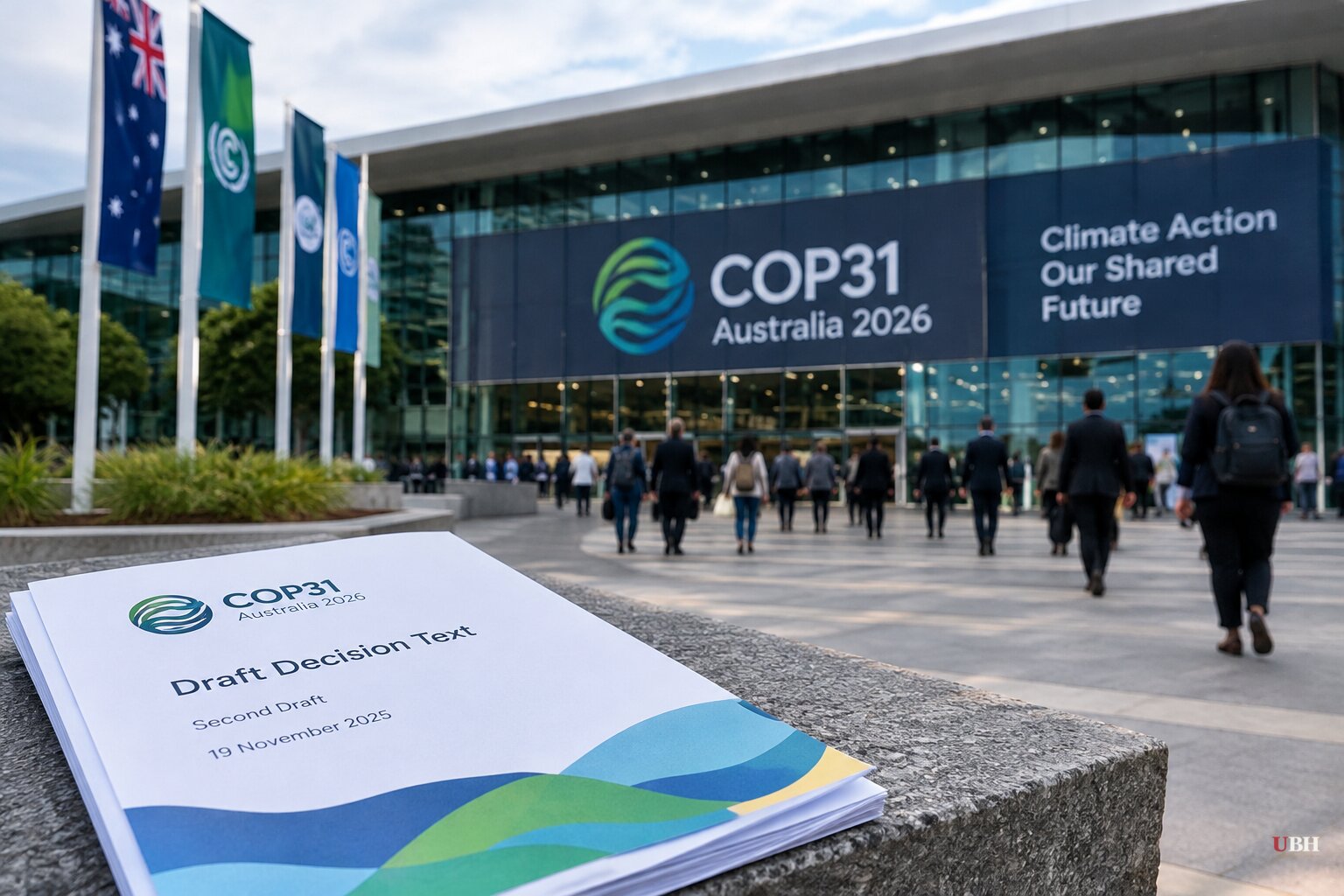
The second draft of the main COP31 decision contains no mention of fossil fuels at all. Australia, which chairs the negotiations, released the text on Thursday, Nov. 19, at 3 p.m. Turkey time. It is half the length of the first draft: 9 pages and 80 paragraphs, down from 18 pages and 144 items.
The first draft, published Monday, contained two references to fossil fuels and limiting their use. It also called for developed countries to reach net zero by 2030 and net-negative emissions by 2040, and for adaptation funding to triple to at least US$120 billion by 2035. Australian Climate Change Minister Chris Bowen, the president of negotiations, said at release that it was "a first draft, it won't be the final draft."
What the new text says
The phrase "transition away from fossil fuels," agreed at COP28 in Dubai, is gone. There is not even an oblique reference to it, according to the Guardian's reading of the text.
In its place is a pledge to "concrete solutions to accelerate the irreversible global transition towards low greenhouse gas emissions and climate resilience, and to keep 1.5 degrees within reach, recognizing that countries will take different pathways and solutions."
Language reaffirming the goal of holding warming to 1.5°C and limiting any overshoot was kept. The draft acknowledged that warming could exceed 1.5°C and that "deep, rapid and sustained" emissions cuts are needed.
The headline electrification goal survives, but with less force. The aim of drawing 35% of final energy from electricity by 2035 is now one of a menu of voluntary options countries can adopt "in accordance with their national circumstances and development priorities." The 35-by-35 target is a priority of co-host Türkiye.
The draft also asks countries to resolve their differences over the Intergovernmental Panel on Climate Change so its latest science can inform talks at COP33.
Same fight as last year
This is a repeat of COP30 in Belém, where the fossil fuel transition was removed from the final deal after resistance from fossil-fuel exporting countries. Saudi Arabia and Russia have consistently opposed fossil fuel language in final COP texts.
Any agreement requires consensus from all parties. Efforts in recent years to reach consensus among the nearly 200 countries have regularly gone past the scheduled end by more than 24 hours. The conference is due to close Friday, Nov. 20, and the latest text is expected to be revised further.
Oil Change International's Romain Ioualalen blasted the text, saying it "has the fingerprints of fossil fuel interests all over it." He objected to the carbon capture paragraph, calling it "a fossil fuel executive's dream come true" that "needs to be rejected outright." He also said the electrification target "is not powered by renewables, paving the way to more fossil gas power plants being built."
Countries building plans outside the UN text
Several governments are moving ahead without the cover decision. Finland published a national transition roadmap on Nov. 11, following France, Germany and the Netherlands. Denmark, Portugal, Luxembourg and Spain announced their own plans on Nov. 17.
German Environment Ministry State Secretary Heike Henn said on Monday that "you can always wish and fight" for the transition to be anchored in the cover decision, but "this is not for us the ultimate benchmark for success." "The success is in doing, in a growing coalition," she said.
That coalition began in April in Santa Marta, Colombia, where 57 countries met to turn commitments into national policy. It is expected to release a progress report at COP31. Ireland and Tuvalu are set to take over leadership from Colombia and the Netherlands, with a second conference planned for July 2027, according to Ireland's Department of Climate, Energy and the Environment.
Colombia walks away
Colombia, the original host, has withdrawn. The change follows the August inauguration of President Abelardo de la Espriella, who campaigned on strengthening oil and gas and reviving exploration. His predecessor, Gustavo Petro, had halted new exploration contracts.
Environment Minister Fabio Arjona said this past week that the previous administration's limits on gas development contributed to domestic shortages, pushing some industries onto more polluting fuels. He argued that expanding natural gas supply would cut emissions by displacing dirtier alternatives while protecting energy security.
Neither the Environment Ministry nor the presidential office answered questions about the withdrawal or whether Colombia will attend the next conference.
The energy backdrop
The talks are taking place in the ninth month of the U.S.-Israeli war with Iran. The war has closed the Strait of Hormuz and spiked oil and natural gas prices.
Kingsmill Bond, an analyst at the energy think tank Ember, says this is the first global energy shock with cheap alternatives available: solar panels, batteries and electric vehicles. He puts global electrification at about 23% today against the 35% goal. Many of those technologies are produced in China.
What remains open is the final wording. Negotiators must settle the cover decision, including the fossil fuel language and whether the electrification target stays voluntary, by Friday. If past summits are a guide, they will not finish on time.
Sources used for this briefing
7 links from 7 independent newsrooms (syndicated copies of the same report count once)
These are the sources it draws on, linked so you can verify.


