
Unbiased headlines. Facts, not spin.
Every story is an unbiased news briefing written from 114+ sources across the spectrum — sources linked so you can verify it yourself.
 economy
Major Story (7/10)
October 13, 2026 at 06:08 PM
economy
Major Story (7/10)
October 13, 2026 at 06:08 PM
EU Council ends Hungary conditionality mechanism, releasing €4.2bn in frozen funds
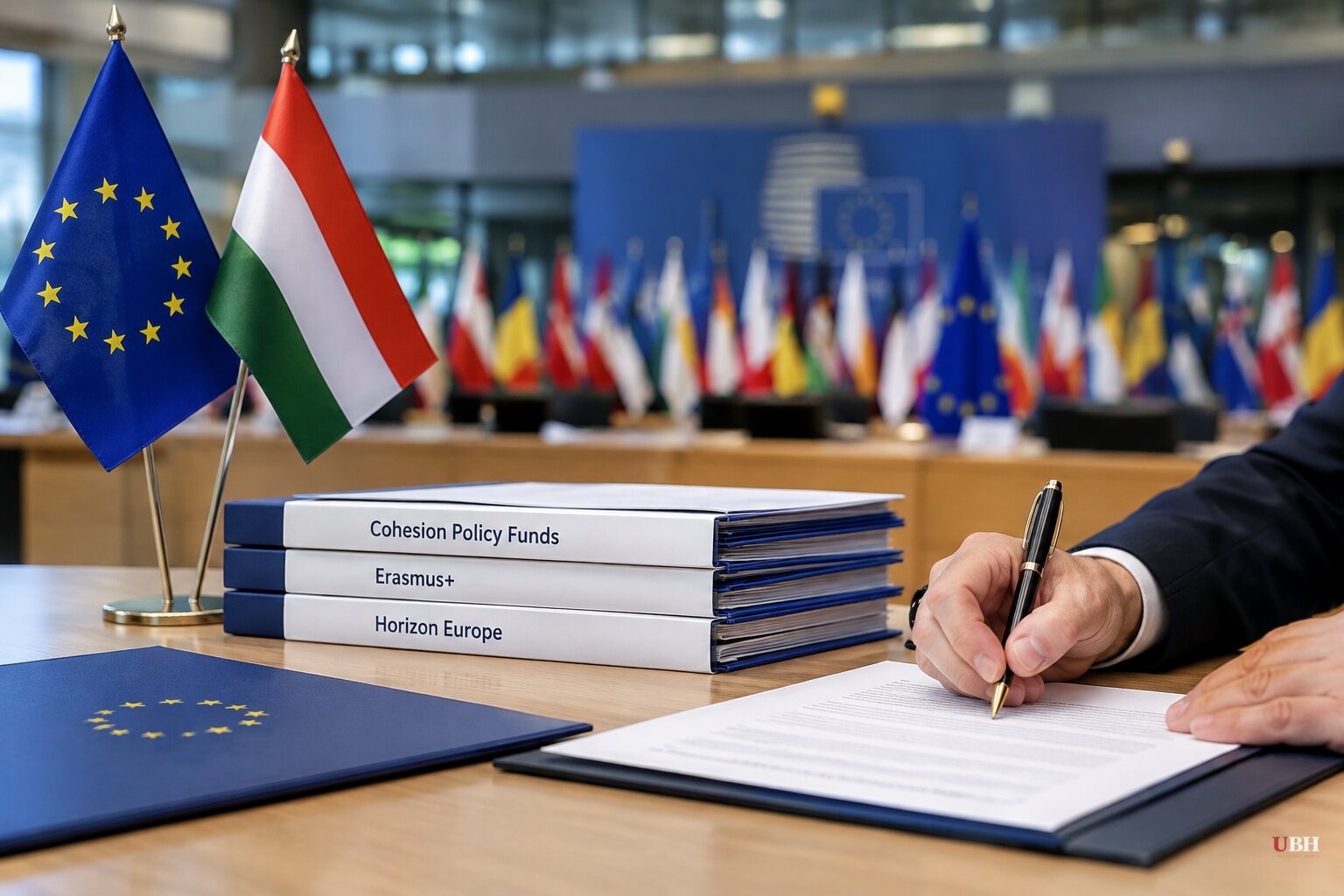
The EU has ended the funding freeze it imposed on Hungary over corruption risks. EU ministers for European affairs approved the decision today, Oct. 13, at a meeting in Luxembourg.
The move releases €4.2 billion in cohesion funding and lets Hungarian universities and researchers back into the Erasmus+ student exchange programme and the Horizon Europe research initiative.
"A new chapter starts today. For Hungary and for Europe," European Commission President Ursula von der Leyen said.
How the freeze started
The conditionality mechanism dates to 2022, under then-Prime Minister Viktor Orbán. It made access to EU money depend on respect for the rule of law. The EU suspended €6.3 billion in Hungarian cohesion funding over deficiencies in public procurement, conflicts of interest, corruption controls and the effectiveness of prosecutions.
Not all of that money survived. The Hungarian Conservative reports that Hungary permanently lost about €2.1 billion after missing spending deadlines. That is the gap between the original €6.3 billion and the €4.2 billion now released.
The freeze also cut Hungarian universities out of Erasmus+ and Horizon Europe. The restrictions hit institutions Orbán's government had moved into foundations, which Brussels criticized over political influence and conflicts of interest.
What changed in Budapest
Orbán's 16-year run ended with Péter Magyar's election victory in April. Magyar's centre-right Tisza Party took office in May.
The Commission says the new government has fixed shortcomings in public procurement and the fight against corruption. Its Sept. 23 proposal cited gains in the anti-corruption framework, conflict-of-interest prevention and prosecutorial effectiveness.
According to the Hungarian Conservative, the changes included stronger anti-corruption authorities, tighter rules on public contracts and politicians' asset declarations, and tougher oversight of EU spending. Hungary also joined the European Public Prosecutor's Office and began dismantling the university foundations.
EU Justice Commissioner Michael McGrath said: "Over the past few months, the new government has made significant progress in restoring the rule of law and reversing some of the previous government's decisions. Respect for the rule of law is essential for accessing EU funds."
Tisza MEP Viktor Weisz welcomed the decision. He argued Hungarian students should not pay the price for political disagreements.
The question Brussels now faces
Not everyone is comfortable with how neat the timing looks. In a commentary ahead of the vote, EU Today asked whether the conditions were really met or whether "Brussels has simply found a convenient political moment to declare victory." It warned the Commission "cannot now appear to have changed the rules simply because a more congenial government has arrived in Budapest."
The same commentary raised the opposite risk. If Hungary did implement the reforms, it argued, withholding the money would turn the mechanism into "a political punishment system."
The documented record cuts both ways. The Commission's stated reasons are specific changes in procurement, anti-corruption and prosecution rules. The money is EU taxpayer money, and the test of these reforms is whether Hungarian contracts and cases actually look different in the next audit cycle. That is not something a Council vote settles.
Money still on hold
The €4.2 billion is a fraction of what Hungary is chasing. The Commission said in May that it was prepared to release a total of €16.4 billion if reforms were carried out.
That figure breaks down as follows:
- €4.2 billion released today.
- €10 billion from the EU's post-pandemic recovery fund, still pending.
- €2.2 billion that could follow if Hungary delivers on promised academic freedom reforms.
Separately, about €3.5 billion in cohesion funds stays blocked under a different mechanism. About €2.7 billion of it is tied to horizontal conditions under the EU Charter of Fundamental Rights, covering academic freedom, LGBTI rights and asylum. The Hungarian Conservative adds child protection legislation to the list of disputed areas.
The unfrozen funds are meant to support economically disadvantaged regions of Hungary. They are part of roughly €20 billion that was frozen under Orbán.
What happens next
Hungary said at the end of August that it had met all conditions to unlock the €10 billion recovery money. The Commission is still assessing that claim.
If the assessment is positive, Budapest could gain access to the money by the end of the year, following approval in the autumn. Whether the Commission applies the same standard to the remaining €3.5 billion in blocked cohesion funds is the next test of the conditionality system.
Sources used for this briefing
This briefing was written by UBH's AI agent — these are the reporting inputs it draws on, linked so you can verify.


