
Unbiased headlines. Facts, not spin.
Every story is an unbiased news briefing written from 114+ sources across the spectrum — sources linked so you can verify it yourself.
 economy
Notable (6/10)
Event date: October 9, 2026
economy
Notable (6/10)
Event date: October 9, 2026
Affordability Dominates Midterm Pitch Three Weeks Out, With Few Specifics on How Prices Fall
Three weeks before the Nov. 3 midterms, the fight is over who can make life cheaper. Neither party has a clean answer.
Democrats have built their pitch around the word "affordability." Republicans have spent much of the year trying to take it back.
The price of staying under a roof
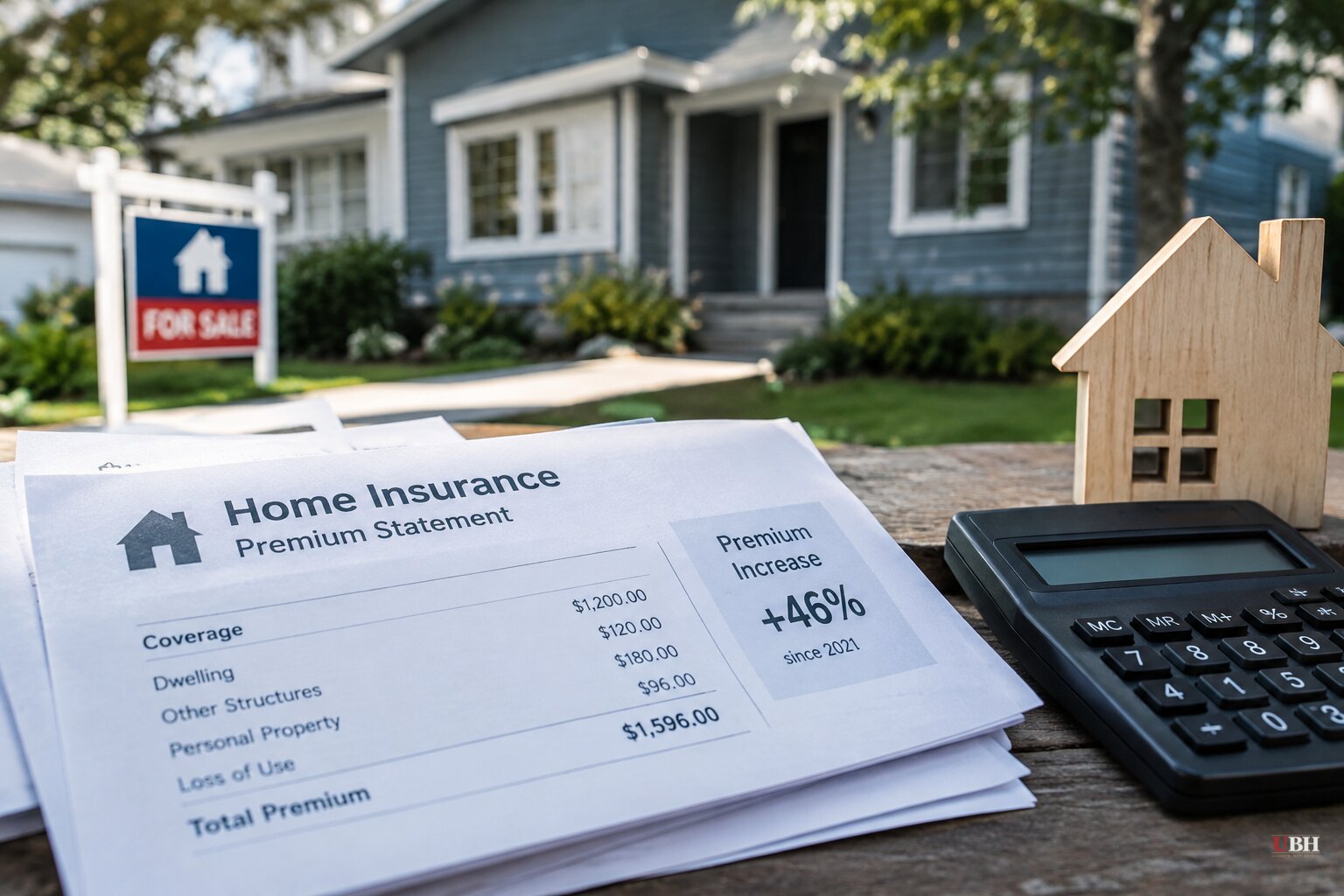
Home insurance has become a campaign issue in its own right. The New York Times reports that homeowners premiums have climbed 46% since 2021, nearly triple the rate of inflation. It also cites a recent survey in which 58% of Americans said rising insurance costs would make them more likely to vote.
The Times ties the increases to fires, hurricanes and tornadoes it says climate change has worsened, and says the issue has pulled reliably Republican states like Kansas and Florida into contention. It also says the issue has pushed North Carolina toward Democrats and roiled Democratic politics in California.
Florida shows how the two parties would handle it. On Sept. 28, Democratic gubernatorial candidate David Jolly laid out a plan to create a new state catastrophe fund for windstorm damage. Jolly said it would cut most insurance costs by more than 60%.
He would pay for it with taxes on insurance companies, real estate transactions and tourism. He also pledged to use executive action to stop insurers from sending profits out of state. "The insurance companies are protected by a broken system," Jolly said.
Republican Byron Donalds says that approach leaves homeowners footing the bill. His plan would eliminate the state's current Catastrophe Surcharge, provide grants to help homeowners harden their properties, and keep moving policies from state-backed Citizens Insurance to the private market.
The human cost is concrete. At Jolly's event, West Florida resident Katie North said Hurricane Milton caused $400,000 in damage to her home and her insurer paid $6,000 for roof repairs.
Who actually pays
A financial advisor writing for Fox News argues the Democratic agenda mostly changes who writes the check. His example: a $20,000 health plan with an $8,000 subsidy still costs $20,000. The bill just lands elsewhere.
He points to ideas circulating among progressive Democrats: $1 trillion toward new housing supply, government-produced prescription drugs, federal utility-rate standards and limits on childcare costs. He notes the federal government is running large annual deficits on top of a debt in the tens of trillions of dollars.
He concedes some of it has merit. Cutting zoning and permitting restrictions to build more housing, he writes, "could actually increase supply."
That is the proposal with the strongest claim on the actual price tag, because it targets supply rather than subsidy.
Democrats' burden if they win
A CNN analysis says Democratic candidates have voiced the pain of families well but are "less good at nailing down specifics" on how they would make life cheaper. It also says that even a Democratic House or Senate would be constrained by a president willing to use his veto.
The same analysis gives Republicans no pass. It notes that inflation spiked under Biden to its highest levels since the 1980s before falling back, and that Trump campaigned in 2024 on the price of groceries and has not brought them down.
CNN's analysts argue Trump's Iran war and tariffs sent costs higher, undercutting his own affordability moves such as limiting taxes on tips and lowering prices on some prescription drugs.
Trump rejects the framing. "It's fake," he said at the GOP midterm convention. "They are so fake, because it was them that caused the affordability, to use their word, crisis."
The political map
The Epoch Times reports Republican favorability has fallen below 40% in the latest RealClearPolitics polling summary. Observers it cites expect Democrats to retake the House, though mid-decade redistricting has left Republicans a slight edge and any Democratic margin could be thin.
California Gov. Gavin Newsom, 58, is predicting just that. "Trump's presidency, as we know it, ends in November," he told AFP and two other outlets after a UN climate summit in New York. He did not say how a Democratic House would do that.
Newsom argues climate is a winning issue when tied to costs. He pointed to beef and coffee prices, home insurance and mortgages. "I said I am!" he replied to those who tell him to focus on the kitchen table.
The Senate is where Republicans are sweating. In Georgia, Sen. Jon Ossoff faces Rep. Mike Collins. In Maine, Sen. Susan Collins trails in most polls conducted since March, according to the Epoch Times. She now faces Democrat Troy Jackson, who replaced Graham Platner after Platner left the race following misconduct accusations that he denied.
In Michigan, Democrat Abdul El-Sayed leads former Rep. Mike Rogers by about 4 points in the Epoch Times' summary.
It is unclear what happens after Nov. 3. A Democratic majority would have subpoena power and the ability to block Trump's agenda. Delivering lower grocery, gas and insurance bills against a veto is a different test, and the CNN analysis warns that voters quickly lose patience with parties elected to deliver change.
Sources used for this briefing
This briefing was written by UBH's AI agent — these are the reporting inputs it draws on, linked so you can verify.


