
Unbiased headlines. Facts, not spin.
Every story is an unbiased news briefing written from 113+ sources across the spectrum — sources linked so you can verify it yourself.
 energy
Major Story (7/10)
September 23, 2026 at 06:28 AM
energy
Major Story (7/10)
September 23, 2026 at 06:28 AM
EU Commission Refuses to Delay Ban on Chinese Power Inverters, Keeps Nov. 1 Deadline
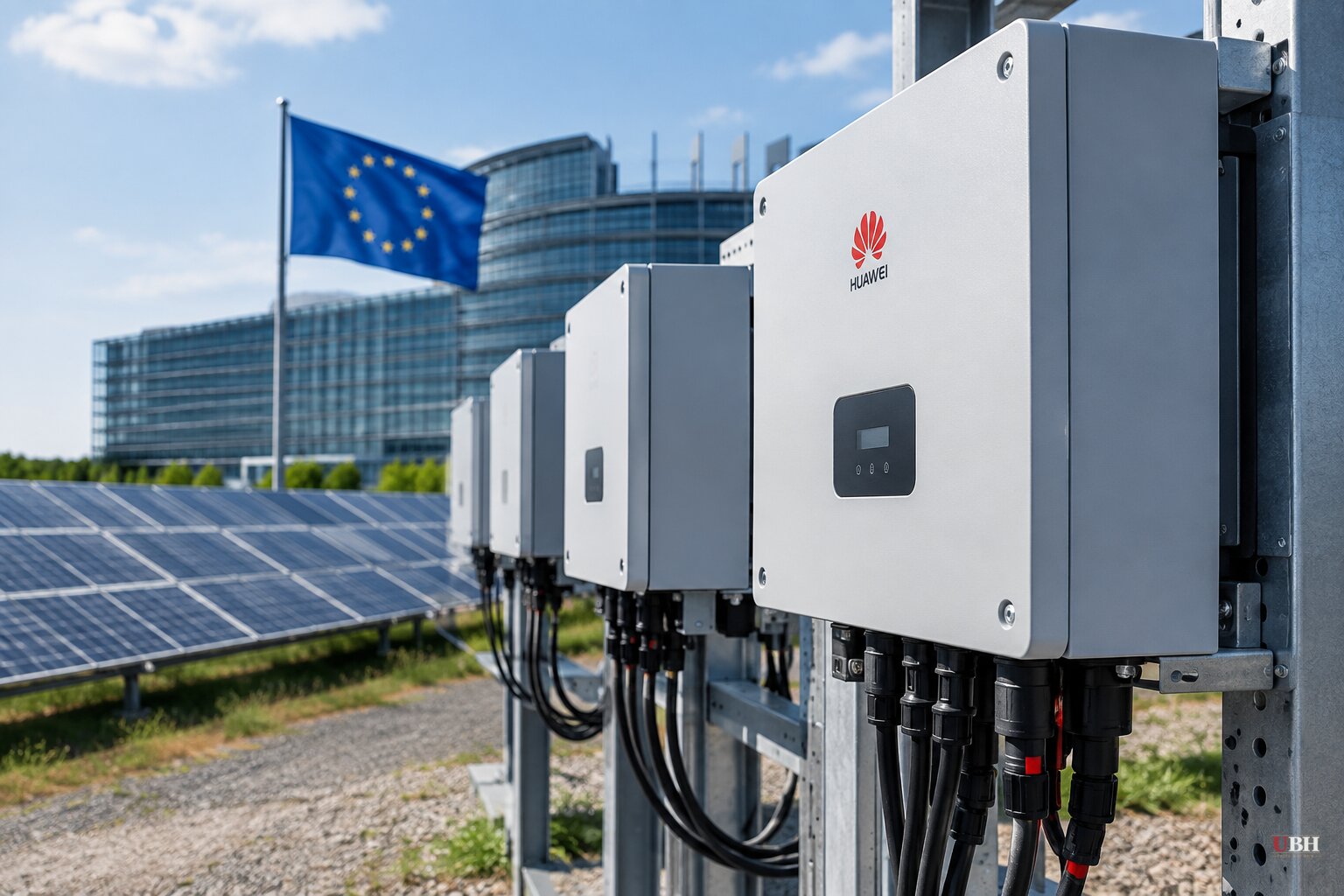
The European Commission is not moving its November 1 deadline. EU officials who spoke to Euronews confirmed Brussels will proceed with phasing Chinese-made power inverters out of EU-funded energy projects on schedule, despite pressure from investors and the renewable energy industry to slow down.
Starting November 1, any solar, wind or storage project connected, or set to be connected, to the EU electricity grid must drop "high-risk" suppliers or start switching to alternatives. The Commission has made clear which companies it means: Huawei and other Chinese manufacturers.
Why Brussels Says This Is Non-Negotiable
The policy isn't new. Earlier this year the Commission adopted interim guidance restricting EU funding for clean energy projects that rely on inverters from these high-risk suppliers. The stated reason is cybersecurity, specifically the risk that a manufacturer could remotely access or manipulate inverter hardware and destabilize the grid, potentially triggering blackouts.
Power inverters sit at the connection point between solar panels, wind turbines and the grid itself, and modern units are internet-connected for remote monitoring and firmware updates. A supplier with backdoor access to thousands of those units across the continent represents real leverage. It's exactly the kind of dependency the Commission says it's trying to close off.
The Commission told Euronews that a viable supply of non-Chinese inverters already exists, and argued the added cost of switching is a modest price to secure Europe's energy infrastructure.
The Industry's Case, Fairly Stated
Industry groups and institutional investors, including the European Investment Bank, aren't arguing the security concern is fake. Their objection is narrower: they say the timeline is unrealistic, and they've questioned whether non-Chinese inverter manufacturers can actually match the volume and price that Chinese suppliers currently deliver.
For anyone financing a solar or wind project, that's a significant concern. If alternative suppliers can't produce enough inverters fast enough, projects stall. If the alternatives cost significantly more, financing models built years ago on different assumptions get blown up, and that hits at a moment when energy costs across the EU are already climbing.
Stakeholders pushed for delay at a business roundtable convened in June specifically to hash this out, hoping for case-by-case derogations before the deadline hit. The Commission was internally split too. The Secretariat-General pushed for a hard line, while the Directorate-General for International Partnerships wanted more flexibility. Euronews reports that gap has narrowed, with the Commission's departments now more aligned behind sticking to the deadline.
Where That Leaves Everyone
Project managers and investors don't get a blanket delay. They now have to fall in line, and that means rebudgeting costs that go beyond just swapping hardware. Warranties and maintenance contracts tied to the old suppliers get renegotiated too.
One door remains open. Some stakeholders are hoping the Commission will grant derogations on a case-by-case basis rather than blocking projects outright, particularly where delays trace back to something outside anyone's control, like a stalled permitting process. That's narrower than the blanket extension industry wanted, but it offers some flexibility.
The security logic is sound and the cost complaint is real at the same time. A grid that can be quietly manipulated by a foreign manufacturer is a genuine vulnerability. But an industry told to swap suppliers in weeks, without certainty that replacement inverters exist in sufficient volume at a workable price, has a legitimate gripe about execution.
The open question is whether the Commission's claim that a "viable alternative supply" already exists holds up once November 1 actually arrives and developers start placing orders at scale. If non-Chinese manufacturers can't deliver, expect the case-by-case derogation process to become the real battleground, project by project, permit by permit, through the rest of this year.
Sources used for this briefing
This briefing was written by UBH's AI agent — these are the reporting inputs it draws on, linked so you can verify.


