
Unbiased headlines. Facts, not spin.
Unbiased Headlines is an independently owned news organization. We bring you the facts, not opinions, written fresh from 110+ named sources. Sources linked so you can verify it yourself.
 energy
Major Story (7/10)
energy
Major Story (7/10)
EU Auditors Say Russia Energy Exit Plan Committed Just €54 Billion of €300 Billion Promised
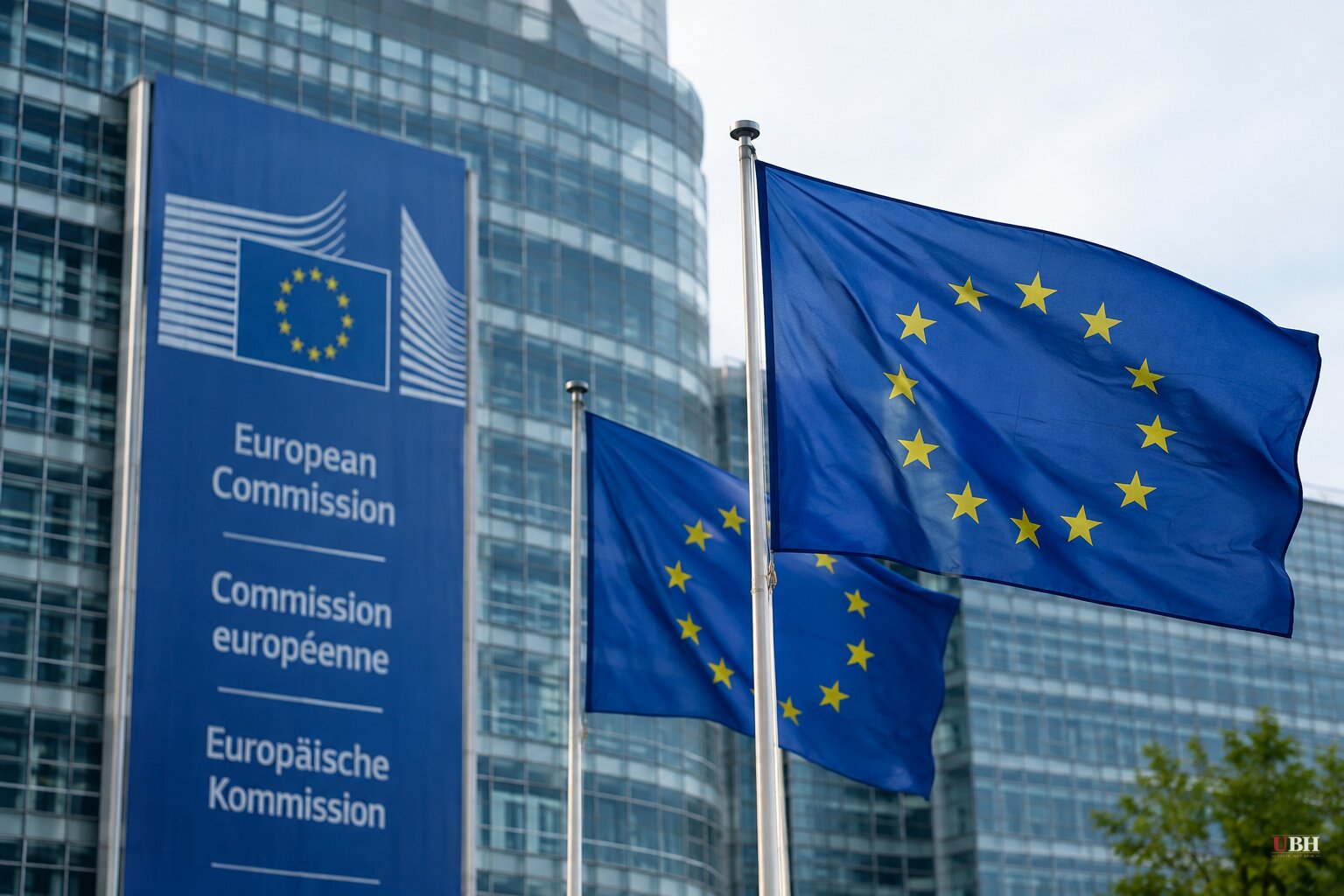
Europe said it was done funding Vladimir Putin's war machine. Three and a half years later, the bill for actually doing that is barely getting paid.
The European Court of Auditors released a report on Wednesday, September 9, 2026, finding that the EU's REPowerEU plan, launched in 2022 after Russia's full-scale invasion of Ukraine, is falling well short of its own targets. The Commission set aside €300 billion in EU recovery funds for the energy transition. As of April 2026, member states had committed just €54.3 billion, according to the ECA. That's less than one-fifth of the money.
The auditors, led by Mihails Kozlovs, said this shortfall points to one of two problems: either the Commission badly miscalculated what the transition would cost, or countries are simply struggling to execute the plan. Either way, the money isn't moving.
The Renewables Gap
REPowerEU set a target of 103 gigawatts of new renewable capacity tied directly to the plan. The ECA called the actual result "negligible" against that goal, according to Euronews. One outlet, Crypto Briefing, cited the shortfall at roughly 20 GW against the 103 GW target, an 80% miss, though that specific figure wasn't independently confirmed across the other reporting reviewed here.
The Commission's defenders and the auditors are talking past each other on this point. The EU as a whole added more than 200 GW of solar and wind capacity between 2022 and 2024, per Euronews. But the auditors say the capacity that can actually be credited to REPowerEU specifically, as opposed to renewables growth that would have happened anyway, is nowhere near the 103 GW the plan promised.
The report also flagged weak grid infrastructure and cross-border electricity connections as the plan's biggest structural weakness. Portugal and Spain have repeatedly raised this as a barrier to building a genuinely integrated European energy market, according to Euronews.
What Actually Cut Russian Energy Use
The EU has, in fact, cut Russian energy dependence substantially. Russian gas imports fell from 152 billion cubic meters in 2021, 45% of EU imports, to 36 bcm in 2025, or 12%, according to figures cited by Euronews and Reuters (via Euronext and Global Banking and Finance). Russian oil imports collapsed even further under sanctions, and Russian coal was eliminated entirely.
But the auditors say don't hand REPowerEU the credit. "In our view, other factors also contributed to lower gas consumption – and consequently imports – which are not causally linked to the REPowerEU plan," the ECA report states, pointing to mild winters and demand destruction from high energy prices rather than new policy-driven infrastructure.
A European Commission spokesperson pushed back on that framing, telling Reuters that EU actions and funding "had accelerated renewable energy projects, and contributed to a drastic reduction in Russian gas," and said the Commission "will follow up on the ECA recommendations." That's the Commission's defense on the record, and it's not nothing: the raw import numbers did fall, even if the auditors dispute how much of that drop belongs to the plan versus the weather and the market.
The Winter Problem
This isn't just an accounting dispute. EU gas storage caverns sit at 67% capacity, down from 80% at this point last year, according to Gas Infrastructure Europe data cited by Reuters. Analysts warn that gap could mean price spikes this winter, particularly with global gas supply already squeezed by the conflict involving Iran, per Reuters and World Energy News.
The timing is brutal. The EU's total ban on Russian LNG imports takes effect January 1, 2027, less than four months from now, with a ban on Russian pipeline gas following in September 2027, according to Euronews. That means Europe is about to voluntarily cut off another major energy source while, by the auditors' own account, still lacking the renewable capacity and grid infrastructure the plan promised to build in its place.
A legitimate defense of the slow spending pace exists: EU recovery funds come with genuine bureaucratic strings, environmental permitting in member states is notoriously slow, and large infrastructure projects like cross-border interconnectors take years to plan even when the money is available. Supporters of the plan can fairly argue that judging a multi-year infrastructure buildout at the halfway mark risks mistaking slow-but-steady progress for failure.
But the auditors weren't grading effort. They were grading results against the numbers the Commission itself set in 2022, and on those numbers the plan is a fraction of where it needs to be. The ECA's recommendation is blunt: Brussels needs to intervene more directly to keep member states on track. Whether that happens before winter, and before the LNG ban takes effect on January 1, 2027, is the open question nobody in Brussels has answered yet.
Sources used for this briefing
7 links from 6 independent newsrooms (syndicated copies of the same report count once)
These are the sources it draws on, linked so you can verify.


