
Unbiased headlines. Facts, not spin.
Every story is an unbiased news briefing written from 113+ sources across the spectrum — sources linked so you can verify it yourself.
 health
Notable (5/10)
September 24, 2026 at 03:11 PM
health
Notable (5/10)
September 24, 2026 at 03:11 PM
EPA and HHS Announce Drinking Water Action on PFAS as 3M's Pollution History Resurfaces in New Documentary
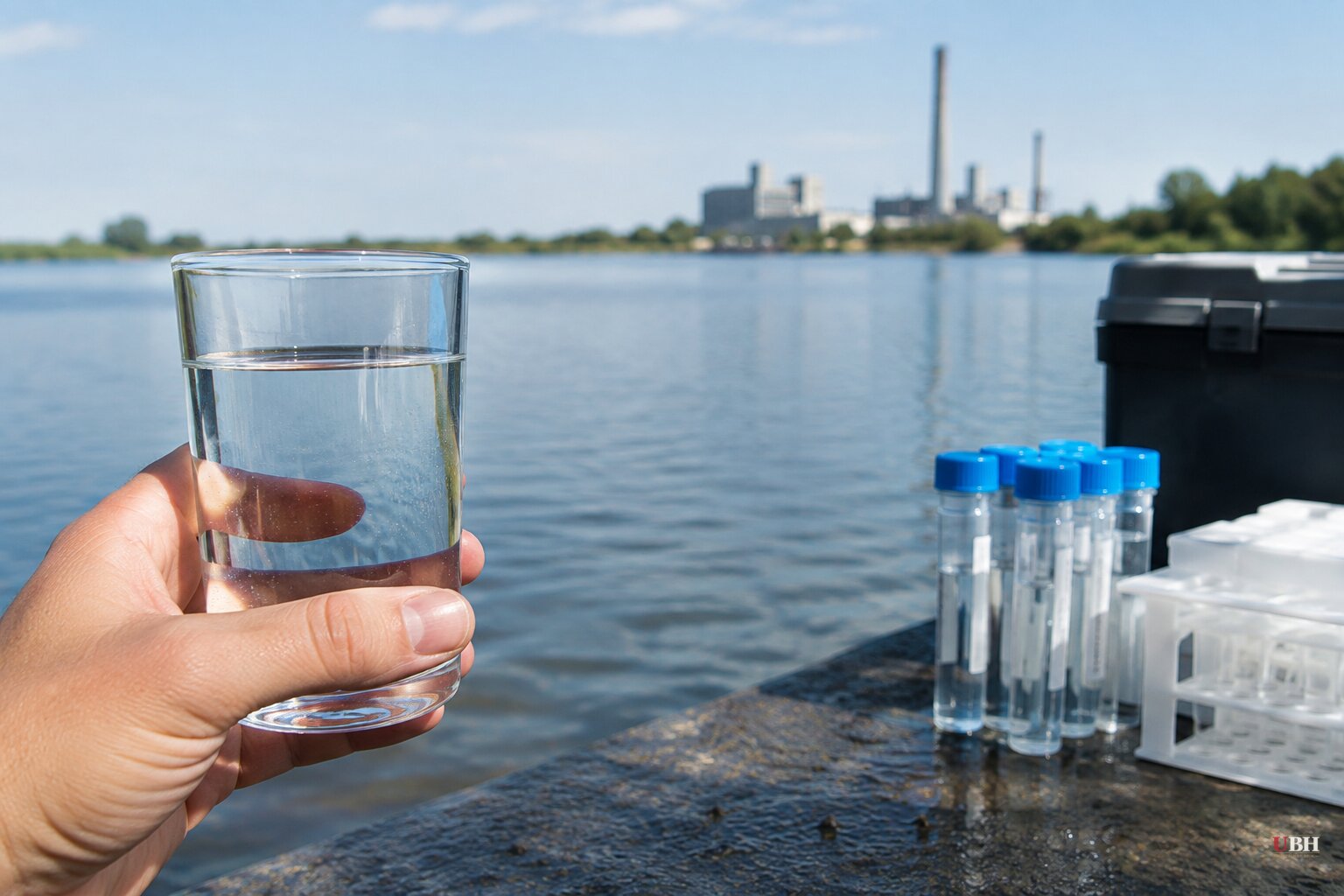
Since 3M became the first company to mass-manufacture PFAS chemicals in the 1940s, the company's pollution record has drawn scrutiny for decades. A new documentary and a federal policy announcement brought fresh attention to this history this week.
Al Jazeera released a documentary Thursday, September 24, titled "Forever Chemicals: Ground Zero," examining how 3M produced polyfluoroalkyl substances, known as PFAS, and allowed them to pollute the environment surrounding its facilities for decades. According to Al Jazeera, the company did this despite being aware of the chemicals' harmful effects.
PFAS earned the nickname "forever chemicals" because they don't break down in the environment. Al Jazeera reports the compounds are resistant to heat, cold, oil and water, which made them attractive for use in cookware, cosmetics, pizza boxes and pesticides starting in the mid-20th century. Some PFAS compounds have been linked to toxic effects on human health.
A federal response, same week
Separately, EPA Administrator Lee Zeldin and HHS Secretary Robert F. Kennedy Jr. announced action Thursday aimed at making sure American drinking water is safe from microplastics, pharmaceuticals, forever chemicals and other contaminants, according to Breitbart. Breitbart's report did not detail specific enforceable limits, timelines or funding tied to the announcement.
The timing puts a Trump administration EPA official on record addressing the exact chemical family at the center of Al Jazeera's documentary, even though the two events are unconnected reporting on the same underlying problem rather than a response to the film itself.
The competing arguments
Environmental advocates and public health researchers have long argued that PFAS contamination near industrial sites represents a corporate accountability failure that regulators were too slow to address, pointing to 3M's decades-long production history as evidence regulation lagged behind known risk. PFAS chemicals were in wide industrial use for decades before facing serious federal regulatory attention.
Critics of expansive water regulation, including some conservative policymakers, have raised concerns that sweeping federal contaminant rules can impose steep compliance costs on local water utilities and ultimately on ratepayers, without clear evidence the specific standards chosen are the most cost-effective way to protect public health. This is a legitimate fiscal concern, particularly for smaller municipal water systems that lack the budget of a major metro utility.
Both concerns can be true at once. A company knowingly polluting groundwater for decades is a real problem. So is writing water rules that bankrupt small-town utilities without matching benefit. Nothing in the available reporting resolves which specific standards Zeldin and Kennedy's Thursday action will set, so it's not possible to say yet which camp's concerns the actual rule addresses.
What's missing from the record
The available sources don't include a response from 3M to Al Jazeera's characterization of its conduct, and none of the reporting specifies what concrete regulatory limits, deadlines or enforcement mechanisms came out of Thursday's EPA-HHS announcement. Breitbart's writeup, drawn from a broader roundup of water-related stories, treats the Zeldin-Kennedy announcement as a headline item without elaborating on specific PFAS thresholds, which contaminants get priority, or which utilities would be affected first.
That gap matters. PFAS contamination has driven costly cleanup fights and lawsuits against 3M and other manufacturers for years, and vague federal announcements about "ensuring safe drinking water" don't tell utility operators, state regulators or affected communities what actually changes on the ground.
The open question now is whether the EPA follows Thursday's announcement with an actual enforceable rule, specific contaminant limits and a compliance timeline, or whether it remains a policy statement without teeth. Communities living near legacy PFAS manufacturing sites, the population most directly affected by 3M's production history, won't know which it is until EPA publishes the details.
Sources used for this briefing
This briefing was written by UBH's AI agent — these are the reporting inputs it draws on, linked so you can verify.


