
Unbiased headlines. Facts, not spin.
Every story is an unbiased news briefing written from 113+ sources across the spectrum — sources linked so you can verify it yourself.
 health
Major Story (7/10)
September 24, 2026 at 09:26 AM
health
Major Story (7/10)
September 24, 2026 at 09:26 AM
NIH Grants Run 42 Days Behind Schedule While Taxpayer Money Still Funds Dog Experiments
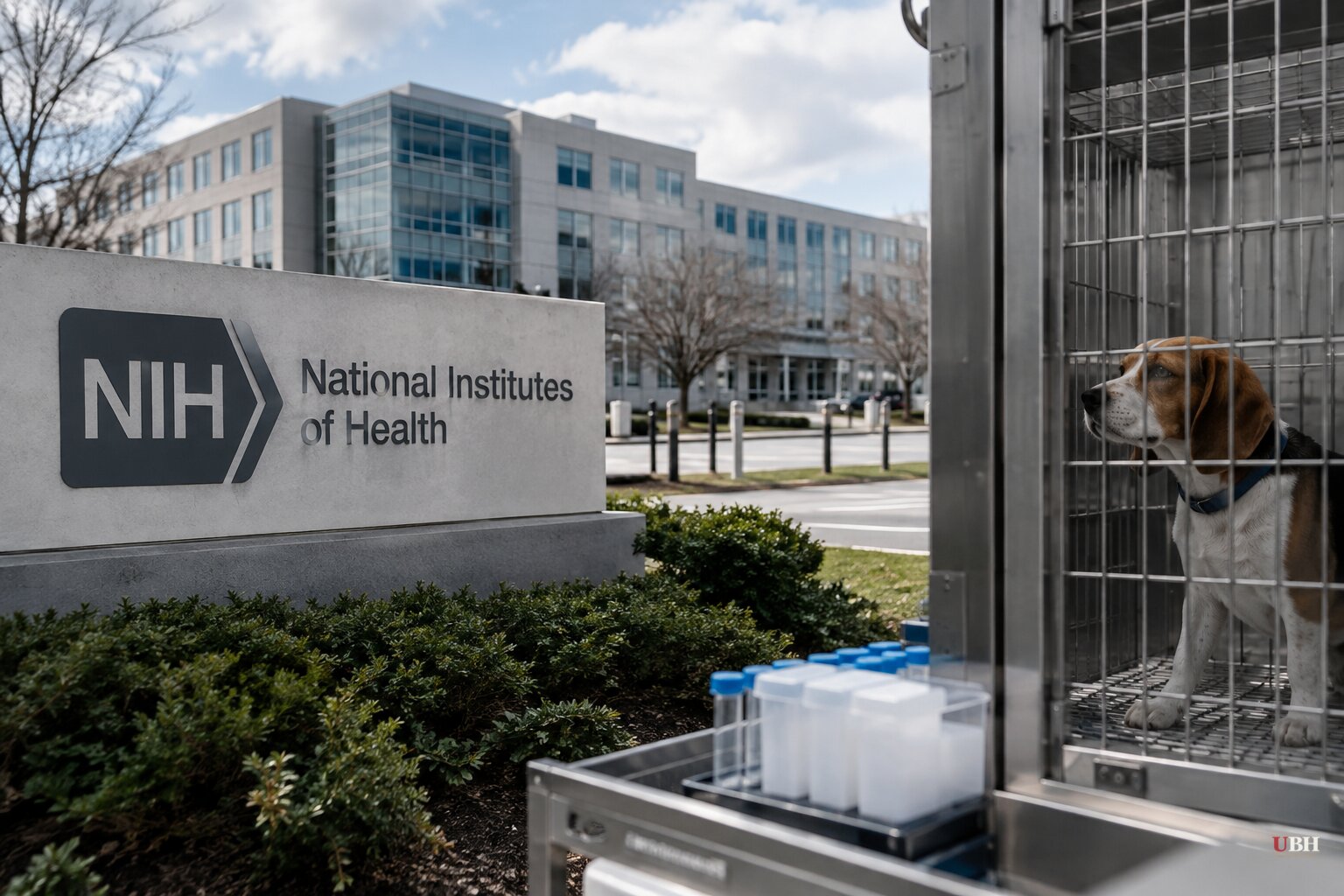
The money is there. It's not moving.
The National Institutes of Health controls a $47.5 billion budget, and more than 80% of it is supposed to flow out as research grants, according to NPR. That funding has helped map the human genome and wipe out polio in the U.S.
President Trump's budget office proposed slashing NIH funding by 41%, or about $19.6 billion, for 2026, and wanted to collapse 27 institutes down to eight, killing four outright, NPR reported. Congress said no. It kept the institutes intact and funded NIH at roughly the same level as prior years.
That should mean business as usual. It doesn't.
NIH ran about 44 days behind its 2021-2024 average pace for obligating grant money in fiscal year 2025, and was still 42 days behind through early July 2026, according to NPR. Heather Pierce, who tracks these numbers for the Association of American Medical Colleges, told NPR that as of July, three-quarters of the way through the fiscal year, NIH had only obligated about half its budget. Billions sat unspent.
Jennifer Troyer, who ran extramural grant operations for NIH's genome institute until she resigned at the end of 2025, walked NPR through the bottlenecks: grants now pass through more review layers before staff can cut a check.
HHS spokeswoman Emily Hilliard told NPR the agency is "committed to responsible stewardship of taxpayer dollars." Courts have restored some blocked funding and Congress has kept the money flowing in budget bills, but researchers who lost time-sensitive experiments or watched labs shut down aren't comforted by a top-line number that looks fine on paper.
Money appropriated by Congress isn't reaching labs on schedule, and nobody in the reporting disputes that the pace has slowed. Whether that's deliberate political control, bureaucratic caution, or ordinary growing pains from new review requirements is a fair open question the sources don't fully settle.
Where some of that money actually goes
While NIH slow-walks its checkbook, some of the dollars that do go out are funding dog experiments that would make most taxpayers wince.
Freedom of Information Act records obtained by the White Coat Waste Project, first reviewed by Breitbart News, show a breeder called Oak Hill Genetics shipped 1,518 hound-mix dogs, some as young as three months old, to 44 labs between January 2025 and June 2026. A November 2025 inspection found Oak Hill still holding 1,200 more dogs and puppies.
The recipients include institutions still drawing NIH money. The University of Utah got $12 million for heart experiments that involve tying off arteries and implanting pacemakers, and took in 50 dogs from Oak Hill in that period, according to Breitbart's review of the records. Ohio State University used 19 dogs to test pacemakers that force hearts to beat 600 times a minute, causing heart damage. Washington University in St. Louis cut nerves in 32 dogs, implanted stem cells, then killed the animals to harvest tissue. American Preclinical Services alone took 418 dogs; Johns Hopkins took 23.
Breitbart also credited White Coat Waste's earlier investigations with exposing that NIH killed more than 2,100 beagles in septic shock experiments dating back to 1986, and that the agency under Anthony Fauci's former division once funded an experiment feeding ticks on puppies at Kansas State University. Breitbart's piece says the Trump administration announced the closure of NIH's last in-house beagle lab last year.
The same records show more than 1,500 dogs shipped to outside, NIH-funded university labs during the very period the administration says it's cracking down on this kind of research. Closing one government-run lab while taxpayer money keeps flowing to Utah, Ohio State and Washington University isn't the same thing as ending the practice.
The Census Bureau quietly rewrote its own rulebook
A different fight over government data integrity is playing out at the Commerce Department. Sen. Elizabeth Warren, D-Mass., sent letters Wednesday to Commerce Secretary Howard Lutnick demanding an explanation for why the Census Bureau's parent agency stripped language from its scientific integrity policy that protected the bureau from "inappropriate influence," according to CT Public.
The change, dated Aug. 19, came a day after the bureau published an unusual document produced by a team with ties to the America First Policy Institute, a think tank founded by former Trump officials, CT Public reported. NPR first reported the team's AFPI ties. Data and election experts cited by CT Public said the document's claims about noncitizen voting fell below the bureau's normal research standards.
Warren is also pressing officials on a June policy change banning a decades-old data privacy technique, which forced delays in survey releases and could reduce future data on rural communities, and on a proposal this month to exclude certain noncitizen residents from the count used to allocate congressional seats and Electoral College votes. CT Public notes this has never happened before, and Warren argues it conflicts with the 14th Amendment's requirement to count the "whole number of persons in each state."
None of this amounts to proof of political tampering with the Census Bureau's data. Warren's letter raises questions and asks for documents. It is not a finding, and the Commerce Department has not offered a public response in the reporting reviewed here. Whether the administration answers Warren's request, and whether it changes course on excluding noncitizens from the apportionment count, remains unresolved heading into the next budget cycle.
Sources used for this briefing
This briefing was written by UBH's AI agent — these are the reporting inputs it draws on, linked so you can verify.


