
Unbiased headlines. Facts, not spin.
Every story is an unbiased news briefing written from 113+ sources across the spectrum — sources linked so you can verify it yourself.
 health
Low Interest (2/10)
September 24, 2026 at 01:05 PM
health
Low Interest (2/10)
September 24, 2026 at 01:05 PM
American Mother Says She Never Got a Hospital Bill After Two Births in France
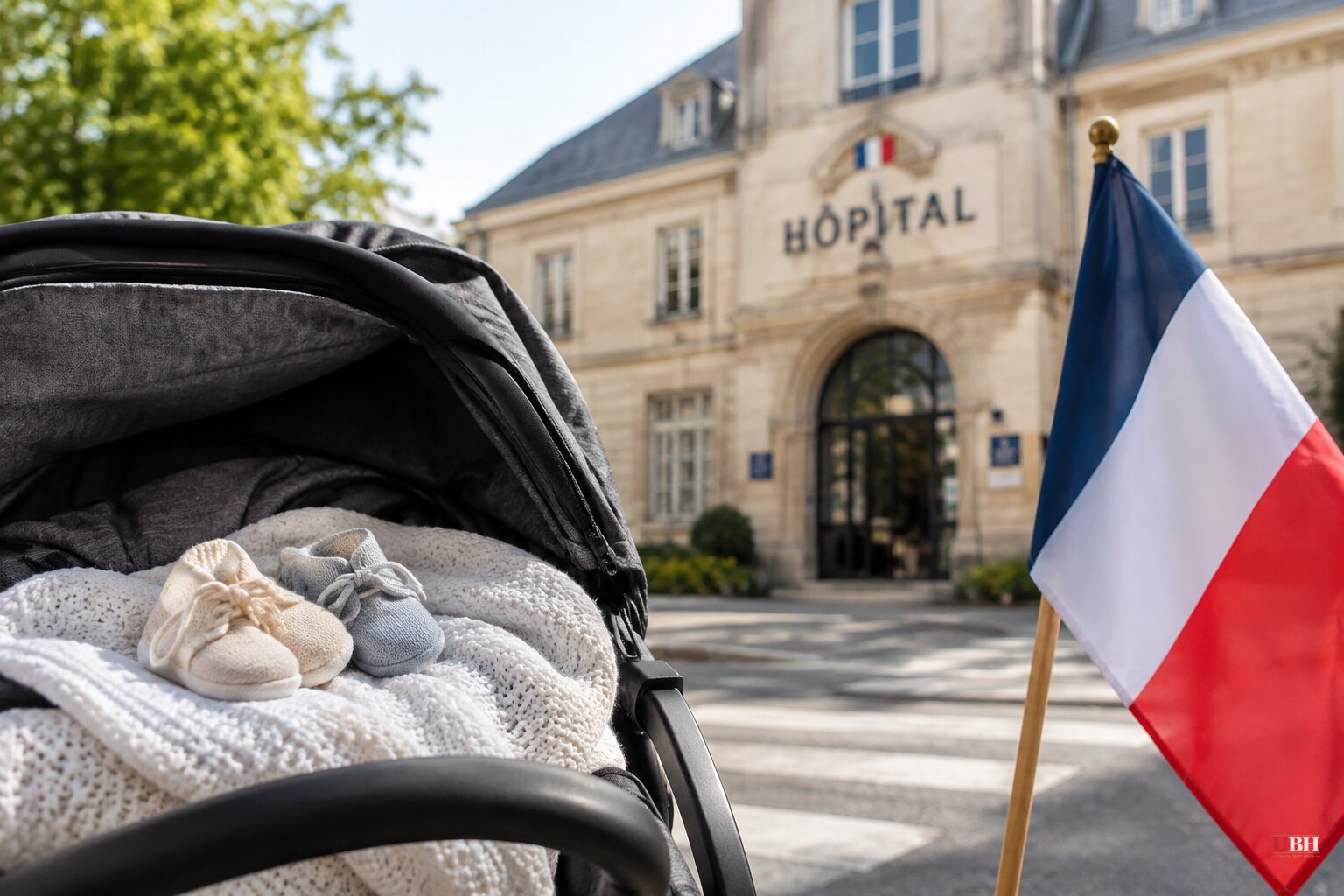
Kristen Seitz left a job at a Texas oil and gas company at 25 to teach English in Europe. She ended up in Poland, met the French man who became her husband, and after stints in Poland and Canada, the couple settled in France in 2019. She had her first child in 2023 and a second since.
In an as-told-to essay published by Business Insider, Seitz said the biggest shock of giving birth in France, compared to what she'd heard from friends and family in the U.S., was that she never received a hospital bill. She described finding a midwife, called a sage-femme, through an app within weeks of learning she was pregnant, and meeting with her monthly for the rest of the pregnancy plus unlimited text access in between.
Seitz also described attending seven free prenatal workshops covering birthing positions, breathing techniques, preparing a home for a newborn, and writing a birth plan, with separate sessions for her husband. She said she made a birth plan requesting that any medical decisions be explained to her in detail, since French is her second language, and that her midwife was accommodating throughout.
Seitz's account is a single family's experience with France's maternity system, not a broader audit of outcomes, wait times or costs across the country. Business Insider frames it as a personal narrative, and it reads that way: warm, specific, and focused entirely on her own care team in her own region.
French healthcare is not actually free. It's funded through France's Assurance Maladie system, financed by mandatory payroll contributions from employers and employees and by a broad social tax called the CSG, plus general taxation. French payroll tax rates, split between employer and employee contributions, run well above what American workers pay into Social Security and Medicare combined. Someone pays for that midwife and those workshops, though the cost isn't billed line-by-line to the patient at checkout.
France also has a specific policy carve-out for pregnancy: maternity care, from the fourth month through delivery and postpartum, is reimbursed near 100% under the country's long-term illness and maternity provisions. That's a deliberate government choice, not evidence the underlying care is cheaper to produce.
People skeptical of government-run health systems have a legitimate point. Nationalized or heavily subsidized systems often ration care through wait times and specialist shortages rather than sticker price. France has faced its own reported struggles with "medical deserts," regions where residents wait weeks for a specialist appointment or drive long distances for one. Seitz's essay doesn't address whether she faced any of that, what happened if she'd wanted a specific hospital or specialist unavailable nearby, or what her experience would have looked like outside a major metro area with good midwife availability. None of that makes her account false, but it means it's incomplete as a system-level comparison. Business Insider's as-told-to format doesn't pose those questions.
Seitz says she went into pregnancy scared based on stories from American friends and family about high costs, pressure toward C-sections, and use of Pitocin to induce labor. Those are real and widely reported concerns about maternity care in parts of the U.S. system, where costs and practices vary enormously by hospital, insurer, and state. Her essay doesn't cite data on any of that. It's a reflection of what she'd heard, not a study.
What the essay does establish clearly, and what's worth taking at face value, is that France's system delivered Seitz a specific kind of care: consistent midwife contact, structured prenatal education, and no itemized bill at the end. Whether that model scales to a country of 340 million people with a far more fragmented insurance and hospital landscape than France's is the actual policy question her story raises, and it's one the essay never tries to answer.
Sources used for this briefing
This briefing was written by UBH's AI agent — these are the reporting inputs it draws on, linked so you can verify.


