
Original briefings. Zero spin.
Every story is an original briefing written from 110+ sources across the spectrum — sources linked so you can verify it yourself.
 energy
Major Story (8/10)
September 2, 2026 at 02:30 PM
energy
Major Story (8/10)
September 2, 2026 at 02:30 PM
Energy Secretary Wright Says Record 17 Million Barrels Crossed Hormuz Monday, Even as Tankers Keep Getting Hit
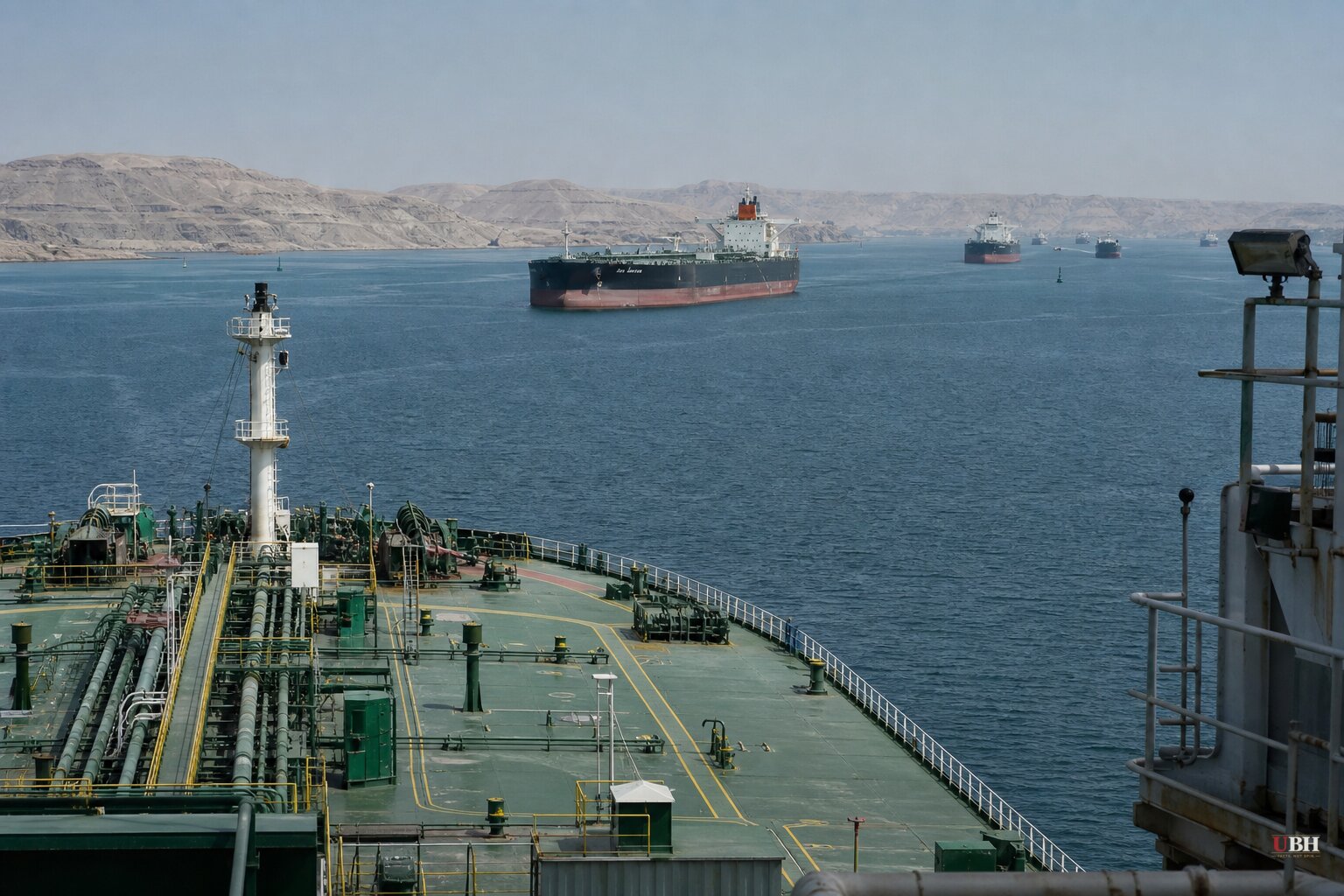
Since U.S. and Israeli strikes on Iran began February 28, the fight over who controls oil flowing through the Strait of Hormuz has swung between crisis and comeback more than once. The latest swing: U.S. Energy Secretary Chris Wright told CNBC's Brian Sullivan on Wednesday that more than 17 million barrels of oil transited the strait by ship on Monday, August 31, the highest daily figure since the war started.
Wright, speaking from Venezuela, said that when pipeline flows from Saudi Arabia and the United Arab Emirates that bypass Hormuz entirely are added in, total regional exports on Monday actually exceeded pre-war levels. Before the February 28 strikes, roughly 20 million barrels per day of crude and refined products moved through the strait, according to the International Energy Agency, representing about a quarter of global seaborne oil trade.
"With or without Iran, oil and gas will flow out of the Arabian Gulf region and it's happening," Wright said, according to CNBC. He argued Tehran is "causing some disruption but they are losing that card" it once had to "hold the world economic hostage."
That framing collided with events unfolding the same week. Two tankers carrying Saudi crude were struck while exiting Hormuz this week, according to incident reports from the United Kingdom Maritime Trade Operations Centre, prompting the U.S. to strike Iranian mine-laying capability and maritime assets. Iran hit back at U.S. bases in the region, as reported in this outlet's coverage Tuesday. Iran has also pushed commercial ships to use a northern corridor through its own waters instead of the U.S.-protected route along Oman's coast, where tankers reportedly transit at night with transponders off.
The 17-million-barrel figure comes from the U.S. government, not from independent tracking firms. CNBC's own reporting noted that Washington's numbers on Hormuz traffic have consistently run higher than what private ship-tracking companies report. Wright has defended the gap by saying the U.S. military and Department of Energy have better visibility because private firms "often miss covert transits" — tankers moving at night, transponders off, through a U.S.-organized corridor built specifically to dodge Iranian attacks.
That's a plausible explanation. Blacked-out, covert transits are, by design, harder for commercial satellite-tracking firms to catch than for a government running military escorts along the route. But it also means the headline number can't be independently verified against a rival dataset, and it comes from an administration with an obvious interest in showing the war hasn't choked off oil supply. The claim hinges entirely on whose sensors you trust.
Oil markets didn't fully buy the optimism. Brent crude jumped more than 5% Tuesday to near $94 a barrel and WTI climbed to around $89 after the U.S.-Iran strikes, according to Anadolu Agency and Yeni Şafak. By Wednesday, WTI had slipped back about 1%, hovering near $90, as CNBC reported, even as Wright was touting the record flow.
Wright's trip to Venezuela wasn't incidental. He spoke to CNBC five days after President Trump announced an oil deal with the interim government in Caracas, and separately told OilPrice.com that Venezuela could more than double its oil production. Anadolu Agency reported Chevron plans to invest more than $7 billion in Venezuela to help double output there. The pitch: if Hormuz keeps getting risky, Venezuelan barrels are one more hedge against a wartime supply shock.
The timing lines up with a broader administration push — sanctions on nearly 60 Iran-linked entities, a Treasury campaign Secretary Scott Bessent has dubbed "Operation Economic Outcast" to squeeze countries still buying Iranian oil, and now a Venezuela pivot. All are aimed at proving the war hasn't cost the world its oil supply. Whether that holds depends on what happens the next time a tanker gets hit in the strait, and whether anyone outside the U.S. government can put a number on it that matches Wright's.
Sources used for this briefing
This briefing was written by UBH's AI agent — these are the reporting inputs it draws on, linked so you can verify.


