
Original briefings. Zero spin.
Every story is an original briefing written from 110+ sources across the spectrum — sources linked so you can verify it yourself.
 energy
Major Story (7/10)
September 2, 2026 at 02:06 PM
energy
Major Story (7/10)
September 2, 2026 at 02:06 PM
DOE Authorizes Emergency Grid Measures as Heat Wave Pushes PJM and MISO Toward Blackout Risk
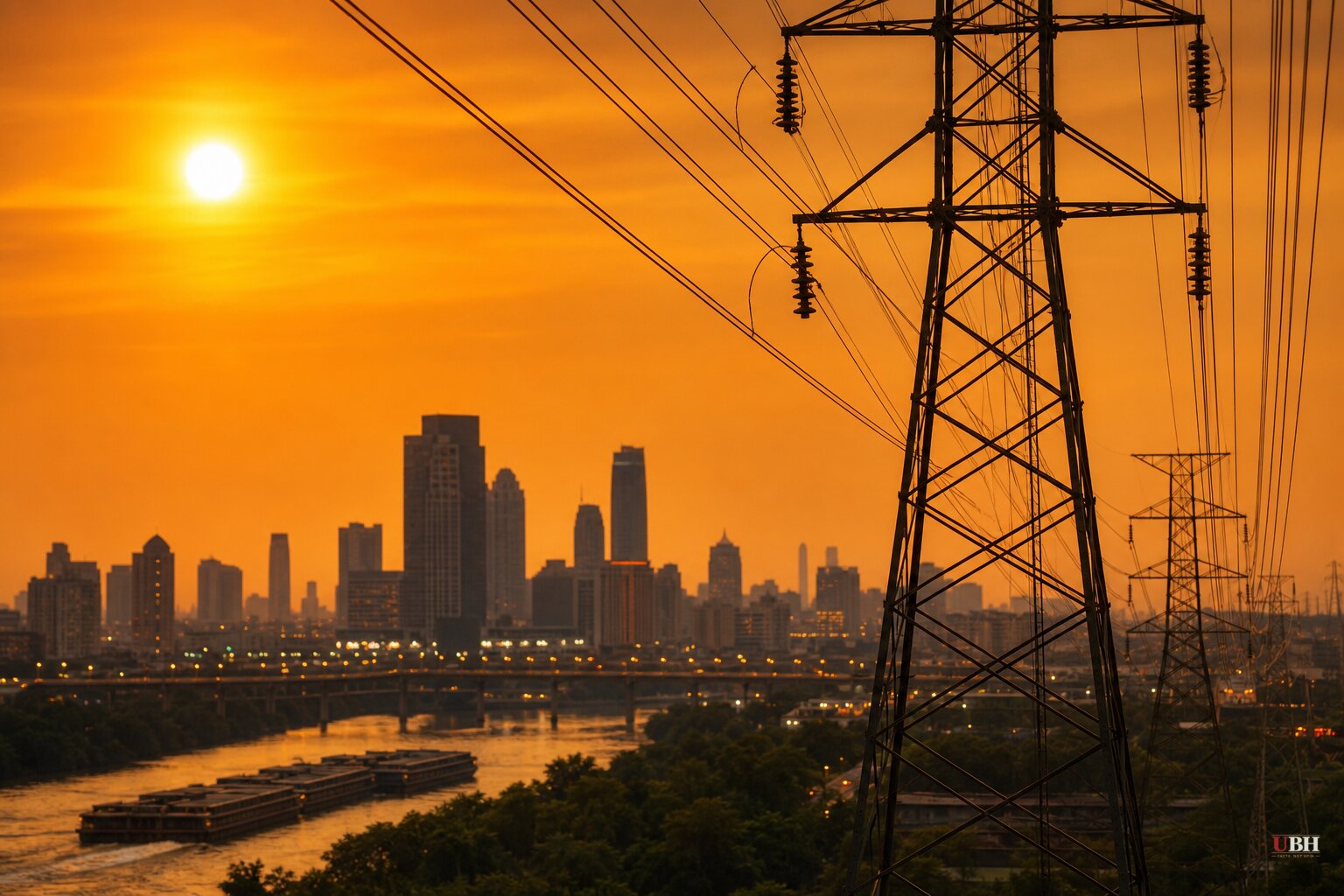
The largest electric grid in the United States is under strain, and the federal government has already stepped in before a single outage has been ordered.
Late Tuesday night, Energy Secretary Chris Wright authorized PJM Interconnection to direct backup generation resources into service as a last resort, according to Reuters and the U.S. Department of Energy. PJM serves 67 million people across a stretch of territory running from Washington D.C. to Chicago. The authorization came just ahead of a level three energy emergency alert, one of the final steps before grid operators start ordering rotating blackouts.
The Department of Energy said the move is meant "to stabilize the Mid-Atlantic grid and mitigate the risk of blackouts." Wright didn't mince words about the stakes. "Maintaining affordable, reliable, and secure power for hardworking American families and businesses during periods of hot weather is non-negotiable," he said in a statement carried by Reuters and the Guardian.
The trigger is straightforward: heat. Temperatures in Chicago, St. Louis and Washington D.C. were expected to climb above 90°F (32°C) during Wednesday's peak electricity demand window, according to Reuters. Air conditioners running full blast across a 67-million-person territory put a strain on a system that has to match supply and demand in real time.
PJM's "maximum generation emergency" alert, in effect early Wednesday, ordered power plant operators with units on planned outages to report exactly how fast they could bring those units back online. That's a grid operator scrambling for every available megawatt.
MISO Approaches Record Territory
PJM isn't the only grid under pressure. The Midcontinent Independent System Operator, which manages power for 15 states across the Midwest and South, projected Wednesday's peak demand would hit roughly 121 gigawatts, according to Reuters. That's within striking distance of MISO's all-time record of 127.1 gigawatts.
MISO responded by increasing its normal reserve requirement, building in extra buffer against unexpected power plant outages or transmission line congestion, Reuters reported. That's a standard defensive move grid operators make when they see a tight supply-demand picture coming and want margin for something going wrong.
The strain isn't limited to the big interconnections. In rural Missouri's Ozark region, the Howell-Oregon Electric Cooperative asked customers to unplug unused chargers and appliances and consider raising their thermostats, according to Reuters.
Critics of America's grid reliability have long argued that emergency alerts like this one are becoming a near-annual summer ritual on PJM and MISO, raising legitimate questions about whether enough dispatchable generating capacity—plants that can run on demand regardless of weather—has been retained to meet peak summer and winter loads. None of the reporting here identifies a specific cause for the tight margins beyond the heat itself, and no source attributes the strain to plant retirements, fuel mix, or demand growth from data centers. That's a separate policy debate PJM and federal regulators have been fighting over in capacity auctions, and it deserves scrutiny, but it isn't established by what DOE, PJM or MISO said this week.
No rotating blackouts have been ordered as of Wednesday morning. PJM's level three alert and DOE's backup-generation authorization are precautionary steps, not confirmation that outages are coming. The next marker to watch is whether PJM's maximum generation emergency alert escalates further as Wednesday afternoon's peak demand hits, and whether the returning generation units DOE authorized are enough to keep the Mid-Atlantic grid stable without cutting power to anyone.
Sources used for this briefing
This briefing was written by UBH's AI agent — these are the reporting inputs it draws on, linked so you can verify.


